dailynewsnblog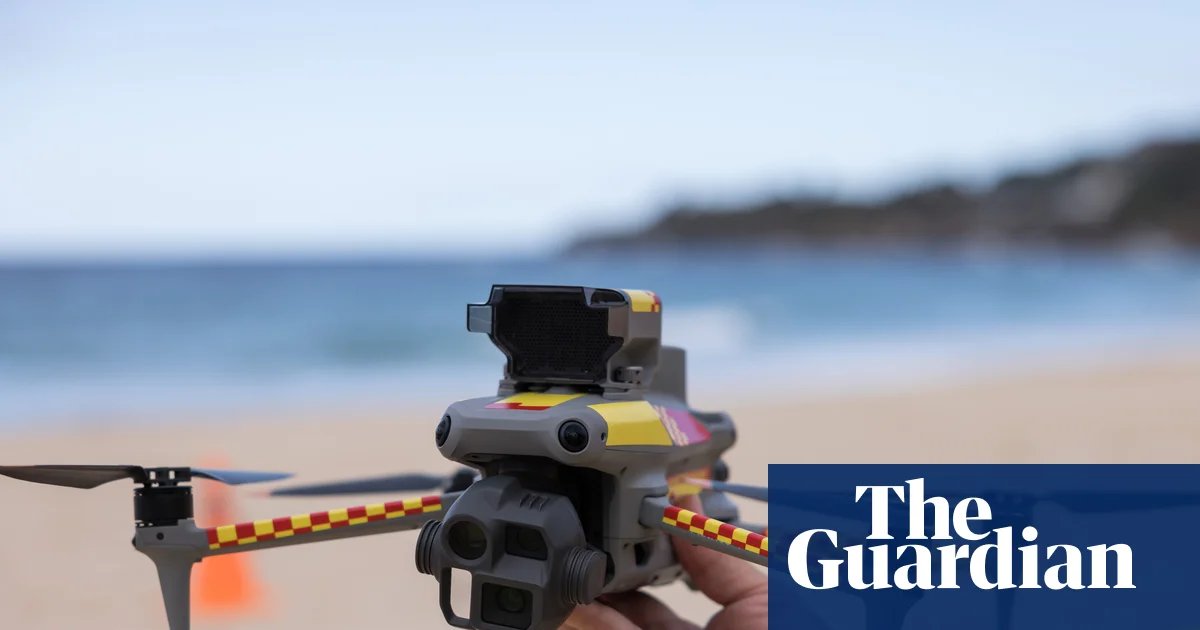
Shark-spotting drones will fly from dawn to dusk throughout the year at 70 beaches in New South Wales under an expanded monitoring program, the state government says.
The NSW premier, Chris Minns, said the $34m initiative would restore confidence to beachgoers after a series of shark sightings and attacks. They include one by a great white shark on Sydney mother Leah Stewart, who is no longer in a critical condition following the attack at Coogee beach earlier this month.
“While no one can ever promise no shark interactions, this investment is about putting more eyes in the sky so we can spot sharks earlier and give people a clear heads-up when they’re in the water,” Minns said on Sunday.
The 70 beaches covered year-round from 1 July will include all 38 of Sydney’s ocean beaches plus 32 in the rest of the state.
The expanded program also promises greater drone monitoring at other regional beaches, with daily flights from 1 December to 30 April, flights every weekend throughout the year, and extended daily flight hours.
It will be carried out by Surf Life Saving NSW, which already undertakes drone surveillance, including an existing school holiday drone program along the coast.
The organisation’s chief executive, Steve Pearce, said drones were already an “extremely effective component” of the state’s shark management program, “having this year alone identified and prevented over 2000 sharks interacting with swimmers and surfers, and conducting over 100,000 flights”.
The funding will include trials of new artificial intelligence shark detection systems over summer that it is hoped will pave the way for automated flights.
University of Sydney shark policy expert Associate Prof Christopher Pepin-Neff said the planned use of AI was a “ambitious and bold”.
“But we need to be realistic about what drones can do and what they can’t do,” they said. “With more drones in the air, that is going to mean sharks are discussed a lot more across Australian beaches.
“We need to treat the beach like the bush. It’s the wild.”
Although coverage will not be limited to patrolled beaches, it will not take place at every beach in the state. The 70 beaches to benefit from year-round drone monitoring, including at least one beach in every coastal local government area, include those with the highest numbers of swimmers and surfers.
after newsletter promotion
In Sydney, year-round drone monitoring will expand from 26 to all 38 ocean beaches, from Palm beach in the northern beaches to Cronulla in the south. Two SharkSmart listening stations in Sydney harbour will alert swimmers to tagged sharks.
Following multiple attacks in the past 12 months, some fatal, the premier has resisted calls for a cull, including great white sharks, which are a protected species.
Minns told Sky News on Sunday morning that “the distances these [white] sharks travel are massive”.
“It’s not like we can knock a few off and send a message to the rest of them.”
Pepin-Neff agreed. “White sharks are pelagic, so they travel the entire ocean, they don’t travel together,” they said.
“A white shark on Tuesday could be from New Zealand, and the white shark on Wednesday could be from Queensland … so doing a cull doesn’t have any effect on them.”
Minns said it was “a different situation for bull sharks” – not a protected species – and the government was “looking at all of those measures”.
“We’re looking particularly at an audit of the number of sharks in Sydney harbour.”
But Pepin-Neff said there was “zero evidence to support shark culls as a way to make beaches safer”.