dailynewsnblog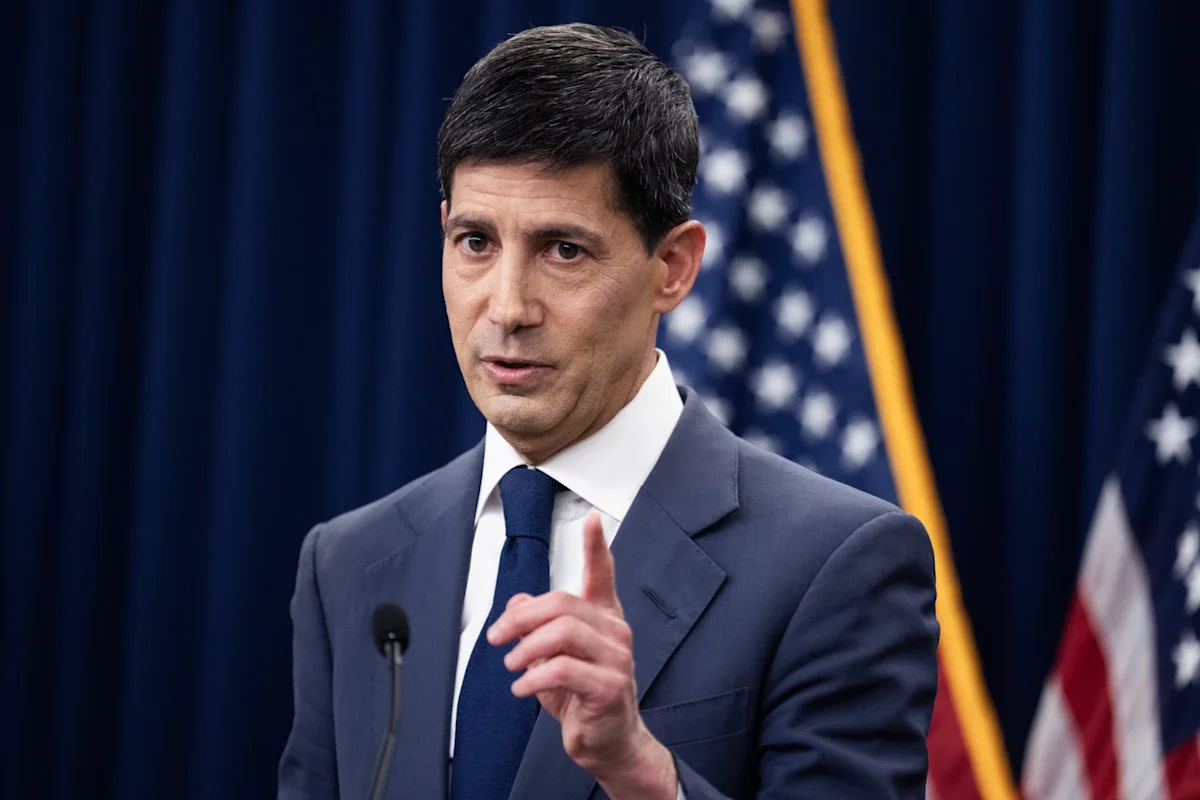
Wall Street overwhelmingly expects the Federal Reserve to hike rates later this year, but a few contrarians still insist the opposite will happen.
According to CME’s FedWatch tool, investors have priced in 77% odds that the central bank will lift the benchmark rate by a quarter-point or more by the end of the year.
That’s as the U.S.-Israeli war on Iran sent oil prices soaring, while the recent ceasefire hasn’t seen an equivalent dive in costs. In addition, the AI boom has created a chip shortage that’s making consumer electronics more expensive.
Meanwhile, GDP was revised higher, the job market has also firmed up, and the tsunami of cash tech giants are raising signals monetary policy isn’t that restrictive. And for good measure, Kevin Warsh’s first press briefing as Fed chairman last week stunned Wall Street with his hawkishness, clinching the case for tightening.
On Monday, analysts at Bank of America predicted the Fed would increase rates three times this year as policymakers take more decisive action to rein in inflation after five years of seeing it above their 2% target.
On the other side of the argument, there are holdouts like Andrew Hollenhorst, chief U.S. economist at Citi Research, who has long maintained monetary policy will get looser.
“In contrast to market pricing, we continue to see data and developments as pointing toward an economy that, rather than rate hikes, is more likely to require rate cuts,” he wrote in a note on Friday, listing reasons for why Wall Street is all wrong.
On oil, for example, the market has rapidly swung from shortage to surplus, removing the key upside risk to inflation.
And even though first-quarter GDP growth came in stronger than initial estimates, Hollenhorst pointed out real consumer spending was revised down to a multi-year low. The AI boom also obscured uneven gains. Excluding investments in computers, electronics, and intellectual property, growth would’ve been just 0.5%.
He also sees the weak housing market potentially taking inflation down faster, with the core consumer price index expected to cool to an annual rate below 2.5% by August, down from 2.9% in May.
As for the labor market, Hollenhorst sees payrolls losing momentum this summer, starting with the upcoming June jobs report. Weekly jobless claims have been trending higher too.
“It will likely take the unemployment rate rising for the market to go back to pricing-in cuts, but soft payrolls and unchanged unemployment should at least push markets to price-out hikes,” he added.