dailynewsnblog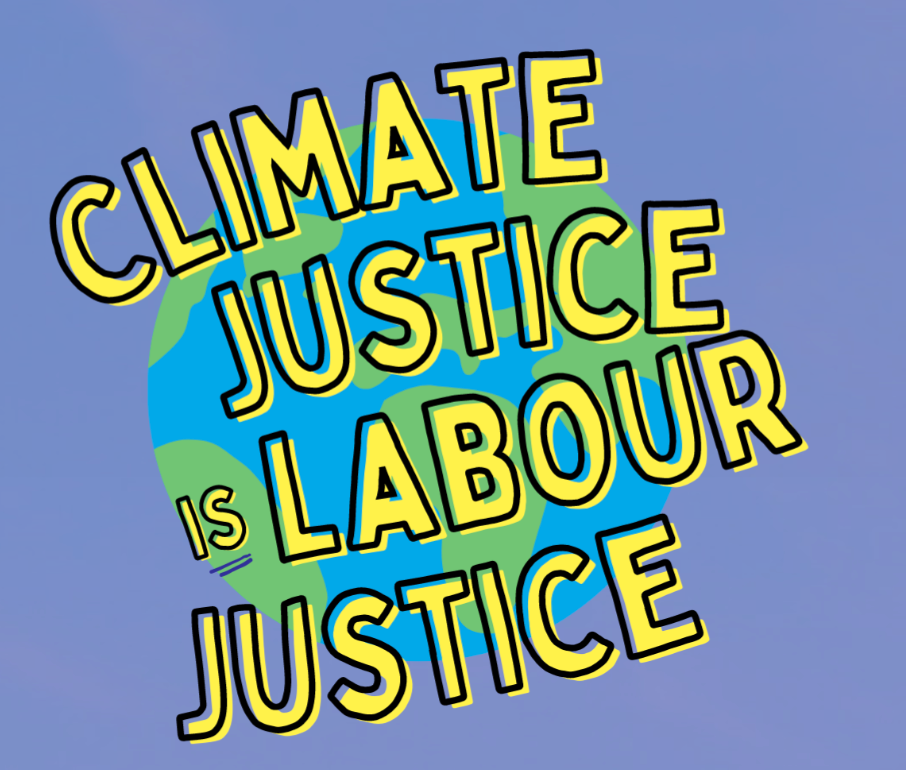
Yes. A strong labour movement can make climate policy more durable and socially just—but only when it represents workers rather than becoming the political defender of multinational, carbon-intensive industries.
The conflict is not between labour and climate science. It is between immediate job security and uncertainty arising from the economic disruption required by decarbonization. Some unions resist policies that threaten well-paid jobs if replacements are not readily available. Political parties then reflect that anxiety and approve giant fossil-fuel projects in the name of “working people.”
A labour-oriented, climate-sensitive party would guarantee affected workers comparable wages, pensions, retraining, and employment before carbon-intensive industries close. It would use public investment, procurement, and collective bargaining to create unionized work in renewable energy, building retrofits, transit, grid expansion, and environmental restoration.
The International Labour Organization regards workers and unions not as obstacles but as essential participants in a just transition.
.
Spain offers a practical example. Its coal transition was negotiated with unions and employers and included early retirement, training, employment assistance, and mine-site restoration. The OECD has described the approach as a leading model for managing coal closures without abandoning workers or communities. OECD
Britain is now linking some offshore-wind support to stronger workplace rights, union access, and fair-work requirements—another demonstration that climate investment can strengthen rather than weaken organized labour. GOV.UK
The decisive question is this:
Does the political party protect workers through the transition, or does the political party protect carbon-intensive corporations from the transition?
A party that subsidizes new fossil-fuel infrastructure because construction will create union jobs is not pursuing a just transition. It is using labour as political cover for the expansion of multinational corporations.
Labour and environmentalism should be natural allies when both confront concentrated corporate power. They become adversaries only when governments pretend that protecting workers requires preserving and promoting existing carbon-intensive industries.