dailynewsnblog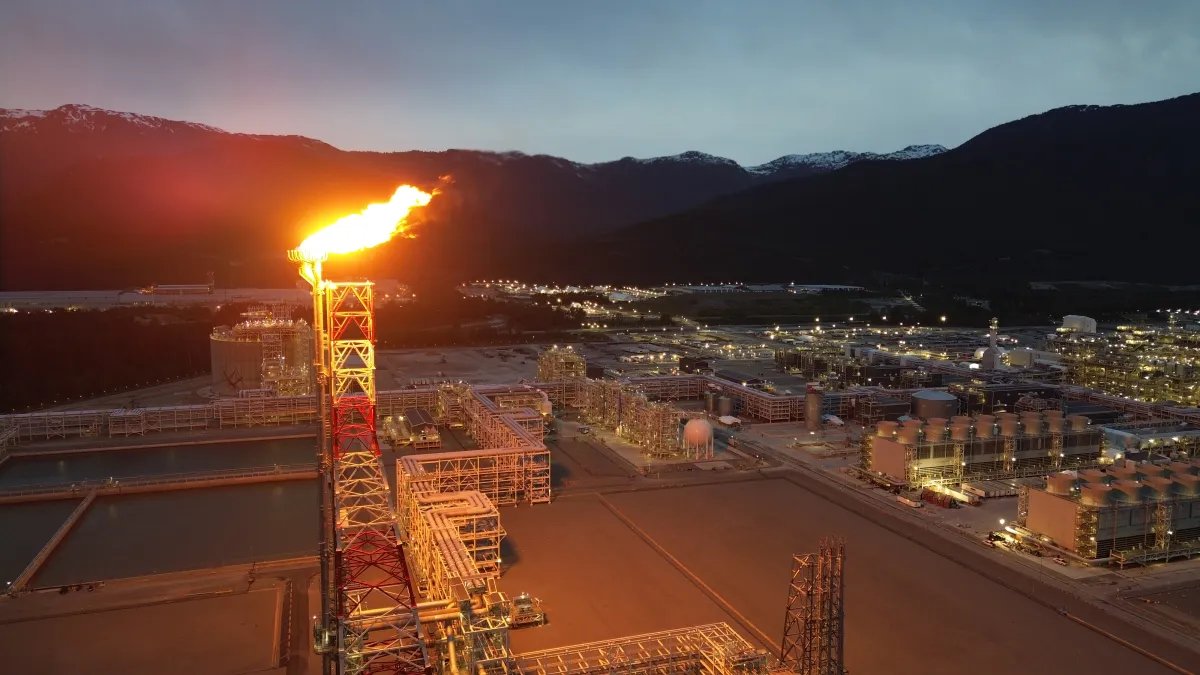
“Natural gas and shale gas are all bad for the climate. Liquefied natural gas (LNG) is worse,” said Robert Howarth, author of a peer-reviewed paper and professor of ecology and environmental biology at Cornell University.
Methane is more than 80 times more harmful to the atmosphere than carbon dioxide, so even small emissions can have a large climate impact, Howarth said.
Overall, the greenhouse gas footprint for LNG as a fuel source is 33% greater than that for coal. Even considered on the time frame of 100 years after emission, which severely understates the climatic damage of methane, the LNG footprint equals or exceeds that of coal.
In his first speech as BC Premier, David Eby said, “We cannot continue to expand fossil fuel infrastructure and hit our climate goals.” He once joked that BC’s LNG hopes were like “a cloud of pixie dust.”
Yet before long, Eby executed a remarkable flip-flop. The premier who had warned against expanding fossil-fuel infrastructure began championing LNG development and falsely praising LNG Canada for producing “clean energy.”
To promote natural gas, British Columbia has foregone billions of dollars that once flowed into the public treasury. In 2005-2008, monthly auctions of natural gas rights brought in the 2026 equivalent of $12 billion. In 2021-2024, these auctions produced less than $5 million.
The financial cost has been high since the BC government decided to promote fossil fuels, but there is another cost that is more important.
Specialized optical gas imaging (OGI) technology proves that LNG Canada—the country’s first LNG export facility, which Ottawa is strongly backing for expansion—is releasing huge, invisible plumes of toxic chemicals directly into the air as part of regular operations. These pollutants are harmful to climate and human health, and people in nearby communities are breathing them in. The new imaging comes as Ottawa is promoting another 11 LNG projects across the country.