dailynewsnblog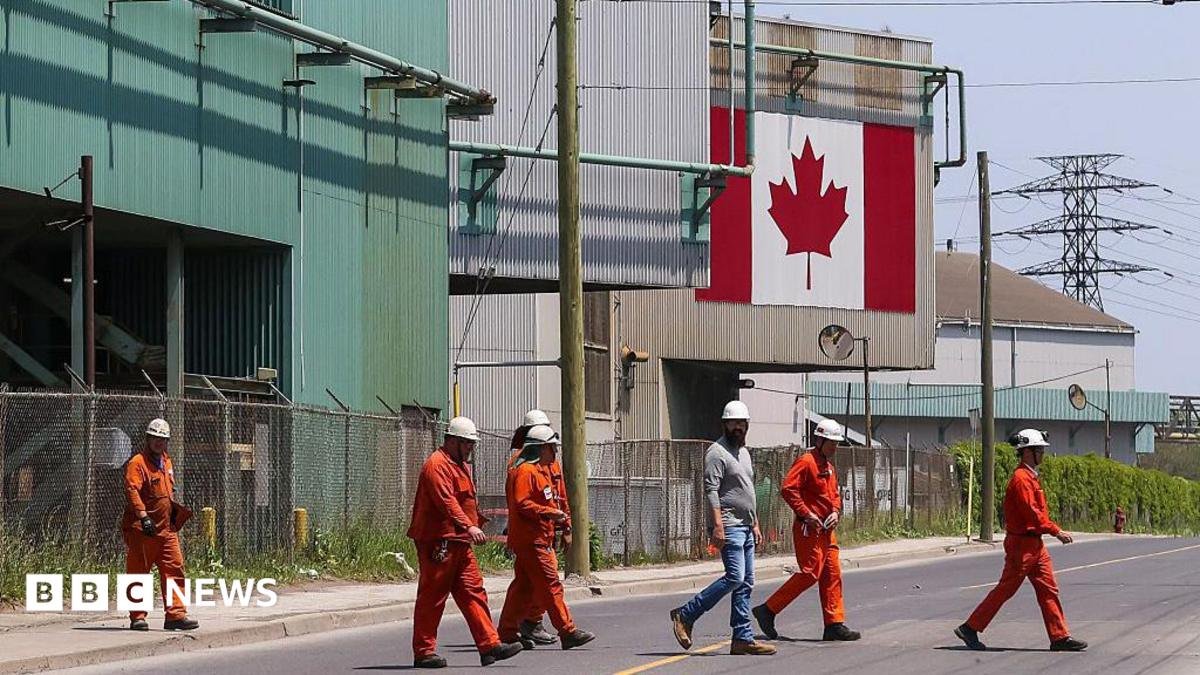
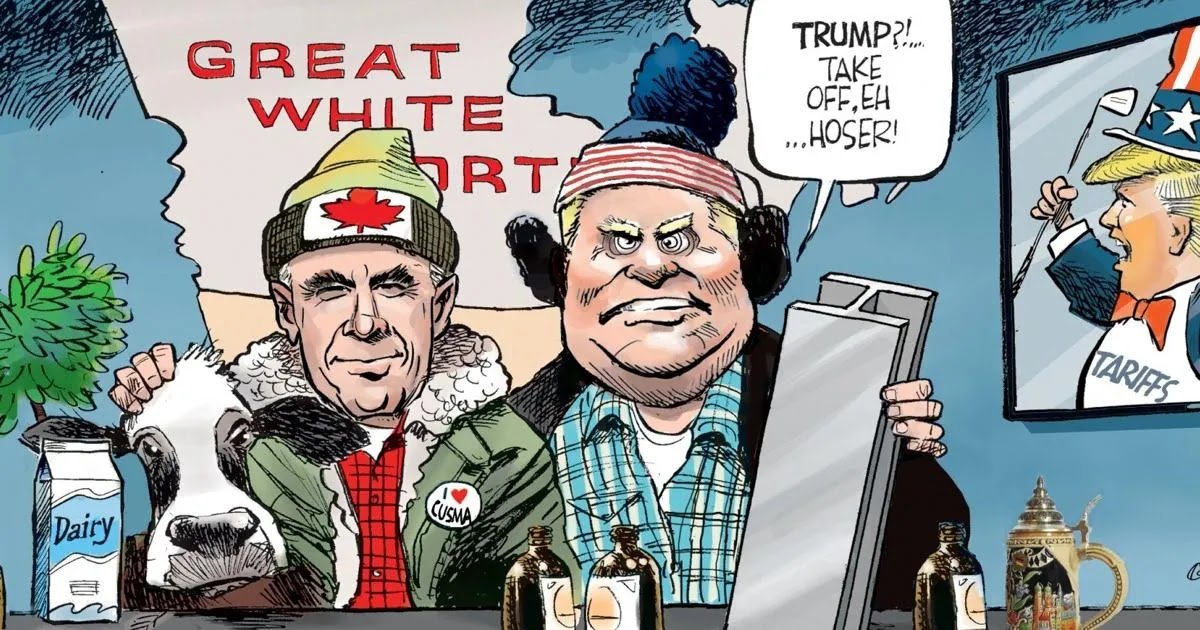
While the majority of products are exempt from US tariffs under the current free trade agreement between the US, Canada and Mexico – the USMCA – the White House has imposed tariffs on specific sectors, including 15% to 50% tariffs on steel, aluminum, and copper – the ones proving challenging to White – and 25% tariffs on vehicles.
“What’s key is just that there are these different parts of the economy or the country that are affected differently,” said Kronick.
“We’ve seen big changes in [auto hubs] Brampton and Windsor and changes where steel, aluminum, and autos are all impacted. I think they’re experiencing it far more acutely than, perhaps, people in downtown Toronto.”
Ottawa is negotiating with the US both to reduce these sectoral tariffs and on a review of the USMCA but have yet to reach a deal.
“I think at this point most people expect there to be some tariffs on whatever a deal looks like, but I think what’s necessary now is just to know what that is, right?,” Kronick said.
“If I know it’s 10% fine, it’s a 10% tax, and I can make my adjustments to my business accordingly, and we move on,” he said.
Kronick said Canada’s economy has some structural issues feeding the stagnation, such as trade barriers between provinces – things like different trucking requirements, or professional licensing – and a tax system that has become “uncompetitive, let’s just say with, with other jurisdictions that we compete with”.
But there are some fundamental strengths.
“If you were drawing up a country from scratch, a well-educated, well-resourced, not overpopulated country would be what you would want, right? So, I think Canada has all those things, all those features,” he said.
“I think we just have to unlock them.”
With files from Nadine Yousif