dailynewsnblog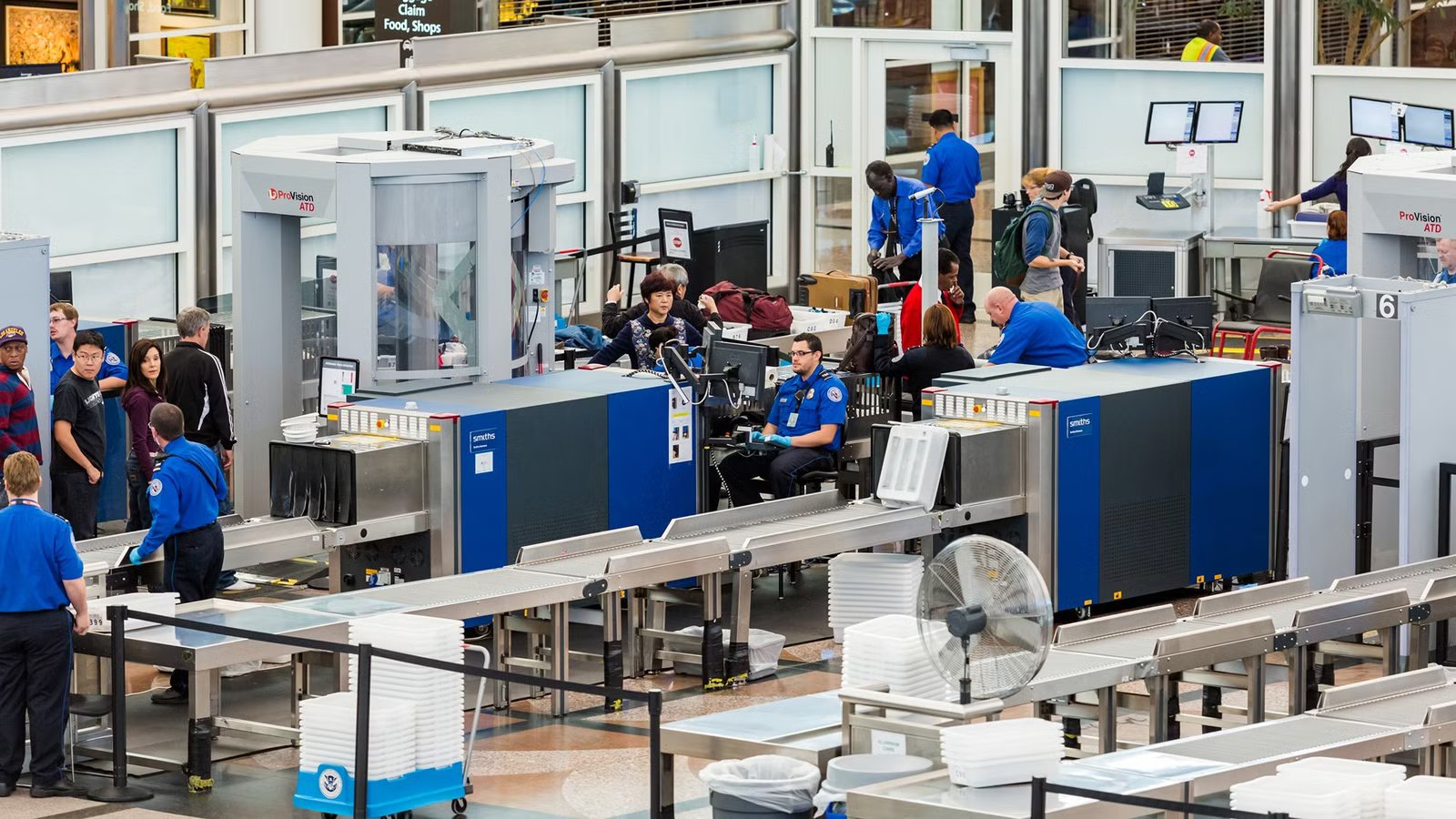
Last week, a passenger traveling from Indianapolis International Airport (IND) was caught trying to smuggle two smoke grenades onto an aircraft in their checked baggage. These grenades were concealed inside a jar of peanut butter. The security screeners were quick to detect the grenades and removed them from the traveler’s baggage.
The traveler had these hidden inside the jar of peanut butter, then wrapped in a plastic bag. These prohibited items were caught by security workers after the passengers’ checked bags were going through screening after check-in, and before the bags were then loaded into the hold of the airplane. The findings were shared by the administration on X and Facebook.
Two Smoke Grenades Hidden In A Jar Of Peanut Butter

After the bags were checked in at the airline counters, bags continue down a conveyor belt where they were met for immediate security screening before boarding onto an airplane. The finding by TSA was alarming, and led to the two concealed smoke grenades to be confiscated. According to the Transportation Security Administration (TSA), this was the second incident in June where prohibited items were found in a traveler’s luggage.
The transportation of smoke grenades is prohibited in either carry-on or checked bags if flying with a commercial carrier due to the risk of the grenades igniting during the flight. The TSA was able to catch these before they were boarded onto the plane by using a computerized explosive device screening system, which inspects every bag before it makes its way to the aircraft.
At this time, TSA has not advised what the repercussions will be for the traveler who attempted to get these prohibited items onto the airplane, but in other cases, it can lead to fines of up to $17,000 and potentially criminal charges.
Prohibited Items Were Attempted To Be Smuggled Onto The Aircraft

The two live smoke grenades were then confiscated by TSA and removed from the traveler’s baggage before the rest of his belongings were permitted to be stored on the aircraft. The travelers were notified and now may face charges and or fines in relation to the attempt to smuggle these concealed items onto a commercial airliner.
This second incident of a prohibited item being attempted to be smuggled onto an aircraft is the second this month, which was shared on the TSA X page. Had these grenades been able to make their way onto the plane, and had they been set off could have led to an in-flight emergency, and if it was in the cabin and activated could have led to dense smoke filling the cabin of the aircraft.
It could activate the aircraft’s sensitive optical and ionization smoke detection systems, and the thick haze may have led to panic among passengers and crew. The inhalation of the smoke could also lead to asphyxiation, and the crew would be ordered to make an emergency landing, taking up airport resources and displacing passengers and aircraft on the service.
These Are Some Of The TSA’s Weirdest Finds At Airport Checkpoints
Discover the TSA’s weirdest airport finds, from hidden weapons to live animals, plus bizarre smuggling attempts at airports around the world.
Security Screening By TSA

The TSA undertakes security screening at airports where passengers and crew need their baggage inspected before boarding it onto an airplane, and before passengers and crew pass through to the secure part of the airport. This results in individuals passing through X-ray scanners and metal detectors, or body scanners.
Items that are prohibited include weapons of any kind, unapproved powders or liquids, and sharp objects (among others). There are some individuals who can use expedited lanes as long as they are registered and are members of the likes of TSA PreCheck or CLEAR. If individuals are flagged for a secondary security screening, they may be required to undergo explosive trace detection or a pat-down.
In the case of the smoke grenades hidden in a jar of peanut butter at Indianapolis, the quick actions by the TSA team at the airport mitigated the likelihood of a potentially dangerous incident either at the airport or in the air. It remains unclear what the traveler’s plans were for the item and the penalties and charges they may face.