dailynewsnblog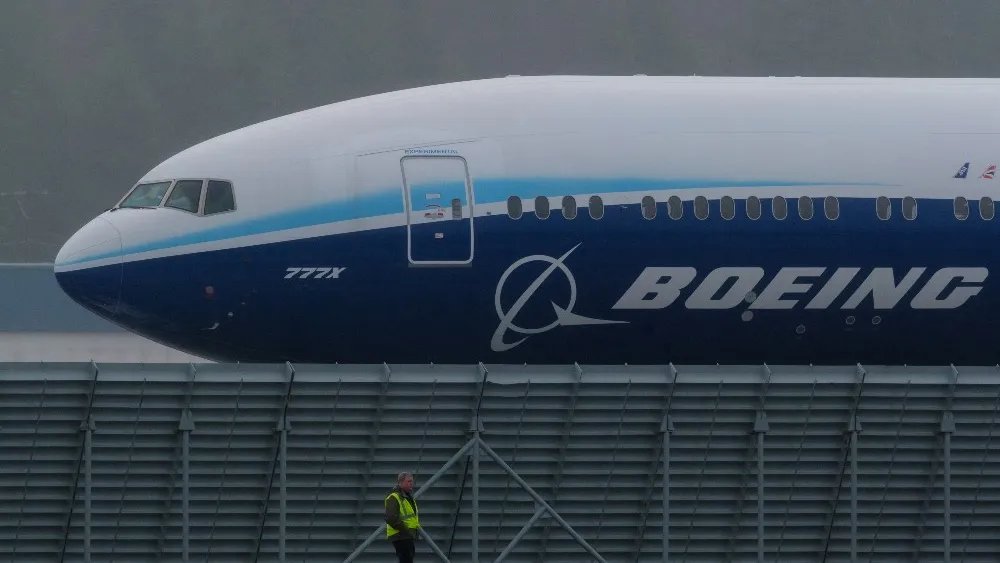
The European Council has ratified its trade agreement with the United States nearly one year after the deal was sealed with a handshake between President Donald Trump and European Commission President Ursula von der Leyen.
The so-called “Turnberry Agreement,” so named for the location in Scotland where the truce was formed, has seen a “rocky journey” from negotiation through implementation, Bernd Lange, chair of the European Parliament’s committee on international trade, said following a hard-fought agreement over the deal’s terms by European regulatory and legislative bodies. Earlier this month, the European Parliament voted on the deal earlier this month.
On Thursday, the EU Council formally adopted two regulations that officially enact the tariff commitments established last August, completing the legislative process just days shy of the July 4 deadline.
The terms include removing remaining European tariffs on American industrial goods, introducing preferential access for certain U.S. agricultural products and seafood through reduced duties and tariff rate quotas, and extending the suspension on duties on lobster imports. The U.S. will maintain a 15 percent general tariff on the majority of European imports into the American market.
But the regulations reinforce safeguards to protect the EU markets, too. The Commission voted to enact a mechanism that would allow it to take swift action against U.S. import surges that threaten or undermine domestic producers, along with a provision allowing the EU to suspend the tariff preferences given to the U.S. if it doesn’t respect its commitments.
The regulations, after their signing, will be published to the Official Journal and enter into force the day after. European Commission spokesperson for trade Olof Gill said the texts will likely take effect next week, as there are remaining procedures to complete.
The terms will automatically expire at the end of 2029, and the European Commission will present an assessment of the deal’s impact on EU-U.S. trade flows, tariff revenue and economic effects by June 30 of that year. It may be extended through a legislative proposal at that time.
The EU-U.S. bilateral trade relationship accounts for nearly 30 percent of global goods and services trade, and 43 percent of global GDP. Trade between the U.S. and the 27-member trade bloc doubled over the past 10 years and surpassed $1.9 trillion last year.
The EU member states also voted Thursday to maintain a suspension of retaliatory duties against the U.S. in a protracted Airbus-Boeing dispute.
The tariffs, worth $4 billion, covered U.S.-made aircrafts, tobacco and spirits, and were imposed in 2020 at the apex of a conflict over subsidies given to Airbus and Boeing by their respective governments. The World Trade Organization found that both the EU and the U.S. were in violation of global trade rules, and a tit-for-tat tariff battle worth a whopping $11.5 billion in bilateral trade ensued. A truce brokered by President Joe Biden’s administration in 2021 put an end to 17 years of tariff-lobbing, pausing duties on both sides.
That deal was to expire on July 11. But with the Turnberry Agreement finally finding its footing, a reopening of wounds and a reignition of a contentious trade battle has likely held little appeal for the EU.
The terms of the extension have not yet been agreed upon, and with negotiations still underway, it is unknown how long the suspension will last.