dailynewsnblog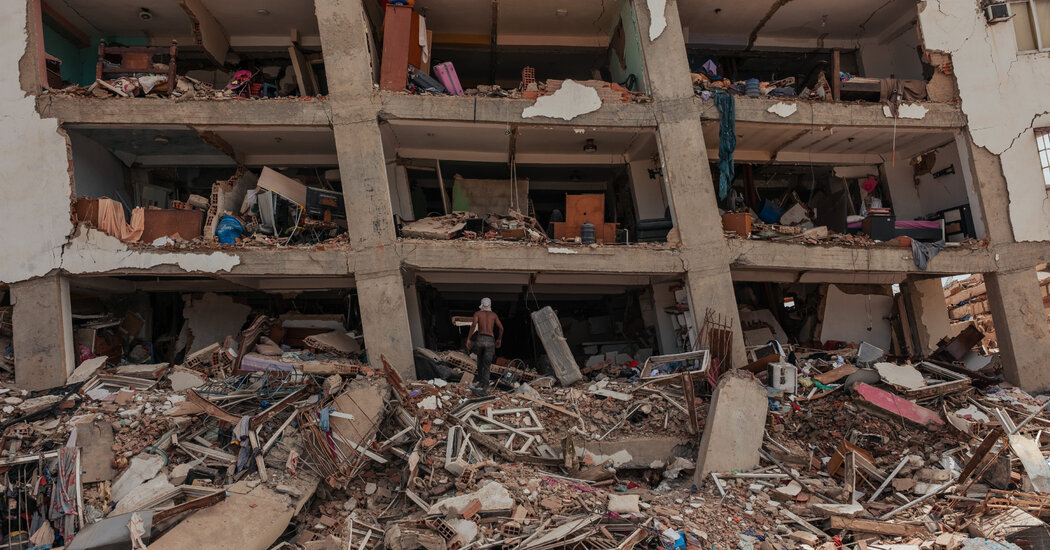
In his last messages to his father, Braine Alex Chávez, age 8, wanted to know when his dad would get home from work. Then the boy left his apartment in a coastal city in La Guaira State, the gateway to the capital of Caracas, and went out to play with friends.
Not long after, two earthquakes shook Venezuela, the worst to hit the country in nearly six decades. Braine’s father, José Manuel Chávez, rushed to the apartment, only to find the building and the yard in front turned to rubble.
Mr. Chávez spent the night searching through the rubble with his bare hands, screaming his son’s name. But by Thursday morning, he said, he was trying to accept that his only child was dead.
“I am completely destroyed,” he said.
Braine is one of an untold number of missing and dead in La Guaira State, which appeared to be the area hardest hit by the Wednesday’s devastating earthquakes.
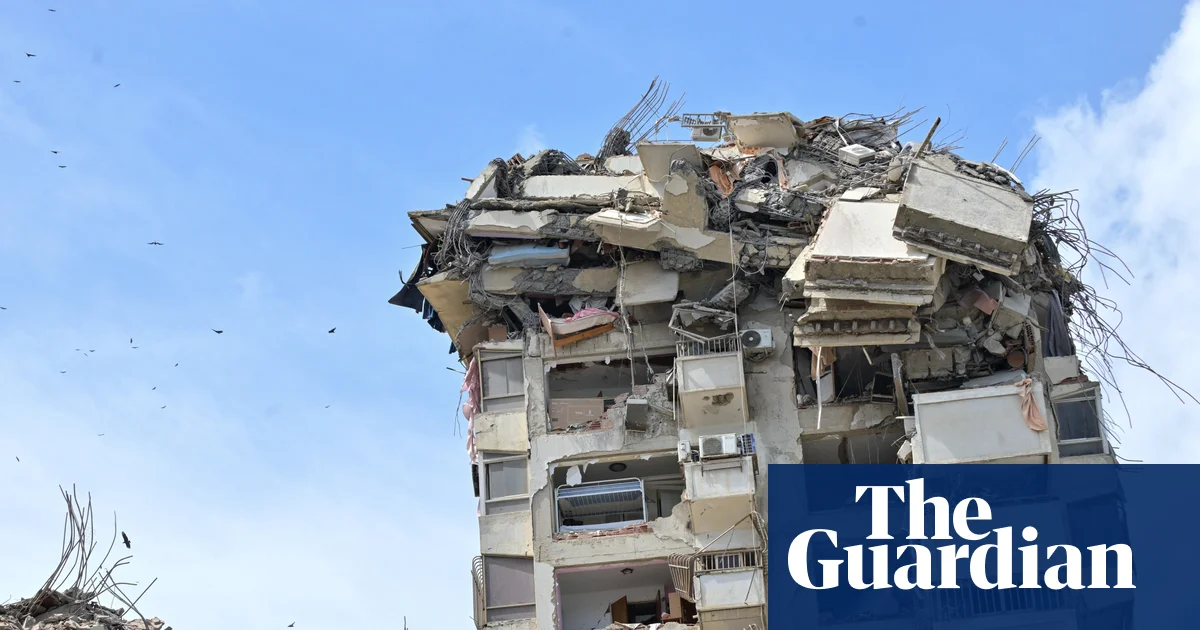
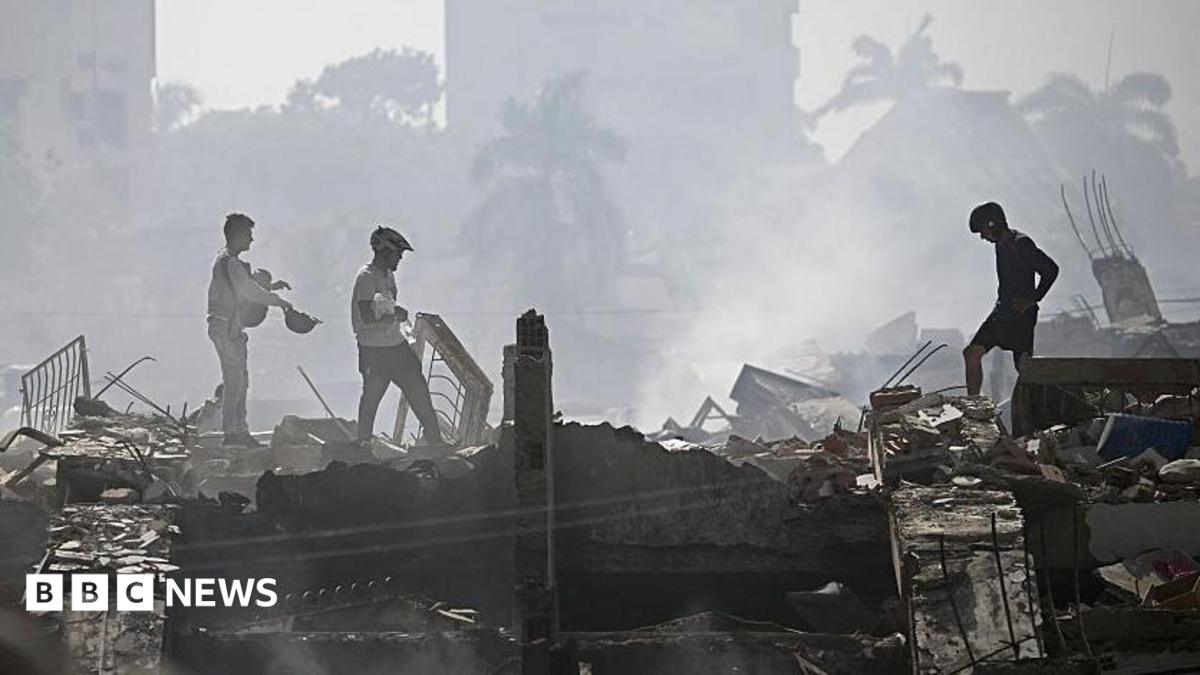
What had been known as a popular beach destination — the place visitors drive through after arriving at the country’s main international airport — now looks like a war zone. Dozens and dozens of buildings have crumbled to the ground or lost their outer walls, leaving them looking like skeletons. Roads have splintered and cracked open, their sides jutting toward the sky. In some places, bodies lie in the streets.
The country’s leaders said on Thursday afternoon that the death toll had climbed to at least 188 people, but it was unclear if that included deaths in this coastal area, which includes the cities of La Guaira and Catia La Mar. Residents outside a single apartment building said on Thursday that hundreds of people could be trapped beneath the ruins. Overall, more than 1,500 people have been injured, according to the president of Venezuela’s National Assembly, and at least 250 buildings were damaged.
The country’s economic crisis, now more than a decade old, has severely weakened public services, leaving many to search for their loved ones on their own.
On Thursday morning, Isaac Miranda, 27, a doctor doing his residency, stood outside a damaged apartment building. He had come to look for his 72-year-old grandfather, who he believed was trapped inside. The night before, Dr. Miranda had been working at a local hospital, he said.
“A huge number of people were arriving every minute,” he said. “Just in a four-hour span, we counted 50 deaths — mostly children.”
He added, “There is no space, but we are doing everything we can with the little we have.”
Repeated aftershocks shook the area even as civilians-turned-rescue workers in flimsy helmets dug through the ruins. Some said they desperately needed heavy machinery that could move building walls.
Others said the tragedy was particularly painful because the state had been the scene of the nation’s last major natural disaster.
In 1999, mudslides from torrential rains swept away shantytowns on hills near the coast, causing at least 15,000 deaths. The disaster occurred just months after a divisive new government took power, becoming the first major crisis for President Hugo Chávez.
In the period between the two disasters, the people of La Guaira have seen the destruction of their country’s democracy, the implosion of the economy, widespread hunger, mass protests and a stolen presidential election. Juan Guaidó, an opposition legislator who tried in 2019 to assume the country’s presidency, is from La Guaira.
Some said they were tired of so much suffering.
On Thursday morning, Yorliana Colmenares stood at the edge of an apartment building turned to rubble and listened to the taps.
Tap. Tap. Tap.
Her boyfriend was inside the building, she believed, below the crushed walls and knotted wire and dust. She could hear trapped people knocking on the building’s remains. But she had not been able to find her boyfriend — no rescue workers had arrived, no firemen, no medical workers.
So the building’s residents were doing the rescues themselves. “They’ve pulled out a lot of dead people,” said Ms. Colmenares. “Injured people, children, animals.”
By midday Thursday, many residents said that they had seen only a few rescue workers and minimal state presence.
“My sister lived here!” cried one woman who stood by a damaged apartment as civilians scraped away rubble. “I see no one here! This is the government’s neglect!”
Stuart Pinto, 49, said that when the quakes hit, the ground bounced “like a trampoline.”
He rushed from Caracas in the darkness to search for his son, Deyker Pinto, 34. By Thursday morning, he had found Deyker dead in the debris in Catia La Mar, holding the body of his stepdaughter. The girl was 14.
Adriana Loureiro Fernandez and Anatoly Kurmanaev contributed reporting.