dailynewsnblog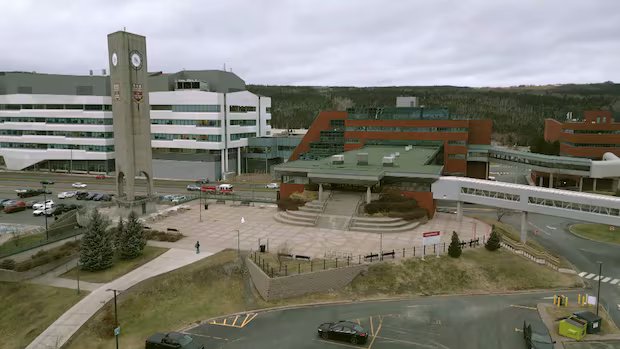

Listen to this article
Estimated 4 minutes
The audio version of this article is generated by AI-based technology. Mispronunciations can occur. We are working with our partners to continually review and improve the results.
A collection of seven anthropologists and archaeologists at Memorial University are expressing their support for Innu in Labrador, calling on the provincial government to “clarify the evidentiary basis for any claims about Innu history.”
In a letter Thursday, addressed to Innu Nation Grand Chief Simon Pokue and Cultural Guardian Jodie Ashini, the group of professors and associate professors state they are “deeply concerned” over the idea Innu were told to remove or alter references to Innu in Labrador before the 1700s, for the purposes of the Innu Pakassiun exhibit at the Labrador Interpretation Centre.
“The archaeological literature on Labrador does not support the categorical exclusion of long-term Innu presence,” the group states, openly questioning the decision.
They write the actions of The Rooms and Provincial Archaeology Office undermine public trust and caused harm to Innu people.
They suggest the dispute erupting since the cancellation of the exhibit suggests application of “colonial logic” and “ignores the ethical obligations of archaeologists and heritage institutions to work collaboratively and respectfully with Indigenous peoples.”
The Innu Pakassiun exhibit was to be Innu-led and ultimately called off by Innu leadership last week, after a dispute over references to the history of Innu in Labrador.
The anthropologists and archaeologists state the idea Innu presence in Labrador begins only around the 1700s is “not a neutral scientific conclusion.”
“It rests on a methodologically flawed assumption: that changes in material culture necessarily indicate the arrival, disappearance, or replacement of distinct peoples, and that oral history, Indigenous knowledge, land-based knowledge, and continuity of practice are secondary or inadmissible forms of evidence. Contemporary archaeology rejects such a narrow evidentiary hierarchy,” the letter states.
Premier, minister, still not taking questions
Statements from members of the provincial government have, to date, not addressed the issue of the historical timeline. The premier and minister responsible have not taken questions from the media since the exhibit was cancelled — eight days ago.
The Labrador Interpretation Centre is a cultural venue under the auspices of The Rooms, a provincial Crown corporation. The Rooms has directed all questions on the matter to the provincial government.
Repeat requests from the CBC for an interview with an archaeologist from the Provincial Archaeology Office have been denied.
Seven people on staff with the department signed the letter, now being shared widely by Innu Nation. Specifically, it was signed by: department head Dr. Oscar Moro Abadia; Dr. Mario Blaser, a professor who also held the Canada Research Chair in Aboriginal Studies from 2009 to 2019; professor Dr. Lisa Rankin, who holds a research chair in Northern Indigenous Community Archaeology; assistant professor Dr. Bryn Tapper; associate professors Dr. Veronique Forbes, Dr. Paul Ledger and Dr. Catherine Losier.
The archaeologists are not the first in that field to question what is happening. On June 18, the CBC spoke with archaeologist Anthony Jenkinson, who said he had come across the 300-year limitation for Innu before. He said, after decades of work in Labrador, of all the archaeologists and historical researchers he knows familiar with the area, “very few of them subscribe.”
Download our free CBC News app to sign up for push alerts for CBC Newfoundland and Labrador. Sign up for our daily headlines newsletter here. Click here to visit our landing page.