dailynewsnblog

Most of the attention on recent political polls has been on the horse race between the BC NDP and Conservatives, but the numbers also overwhelmingly confirm another important thing: Cost of living remains the top issue on the minds of B.C. voters today.
Affordability, housing, health care and the economy are the biggest issues in provincial politics, according to the surveys this month from Angus Reid, Leger and Research Co.
Nowhere to be found: Indigenous relations and the debate over private property versus Aboriginal title. Although it has consumed most of the political debate at the legislature this year, the pollsters all suggest ordinary folks are more concerned right now with practical pocketbook issues and paying their bills.
The government of Premier David Eby has struggled in this area, ever since it cancelled a promised $1,000 grocery rebate after winning the 2024 provincial election. Now sitting in a $13-billion deficit, the Eby government has little room to offer up new financial relief programs. It also angered many with a February budget that raised taxes and expanded the provincial sales tax. The BC Conservatives are now leading in the polls.
People do need help on cost of living, as the latest Statistics Canada inflation numbers showed Monday.
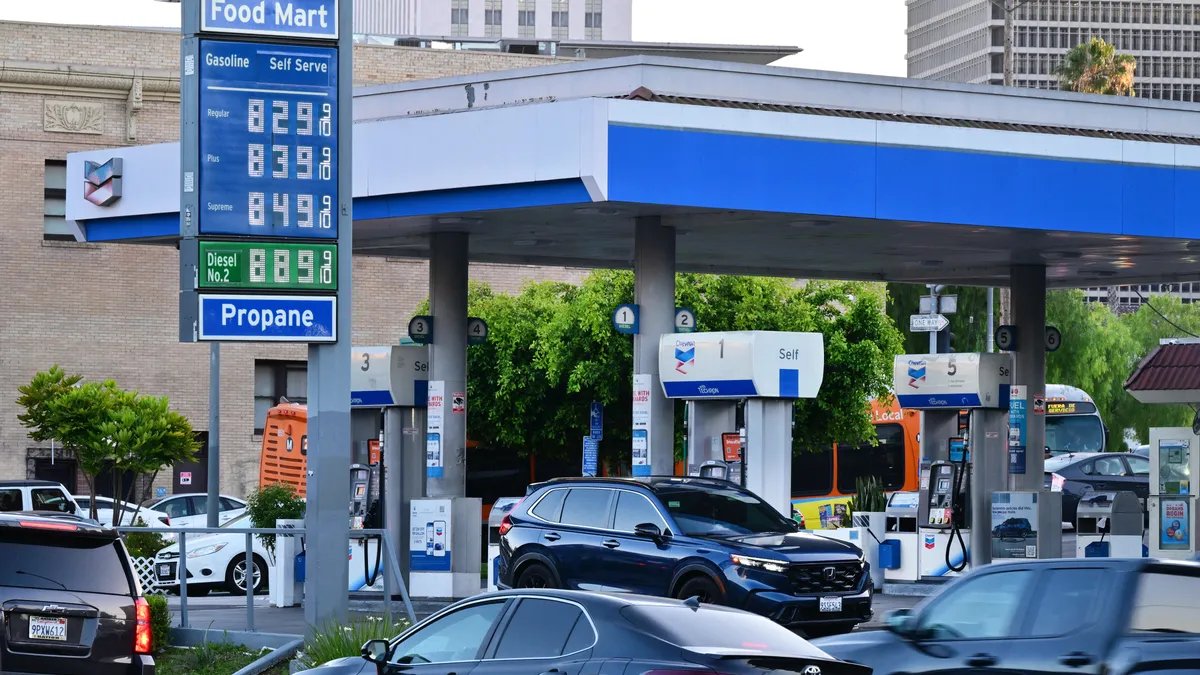
Inflation was up nationally 3.2 per cent in May, to its highest level since late 2023. In B.C., it hit 2.9 per cent. The oil shortage caused by the war in Iran was a major factor, with gas inflation up 33.2 per cent compared to last May.
Food was also more expensive, with items like fresh tomatoes seeing a 45.2 per cent inflationary increase, year over year.
The Eby government has pointed to falling rent and housing sales prices as a success of its housing policies, including crackdowns on short-term rentals, vacant homes and speculators.
“The average asking rents in our province, because of the interventions by our government, not just in one area but in many areas, has driven rents down by 13 per cent in the last three years,” the premier said earlier this month.
That may be true, but B.C. was still the only province not to have a city make the list of top 15 most affordable places to live in Canada released Tuesday by Royal LePage.
Greater Vancouver is still the most expensive property market in the country and, according to the Royal LePage report, 46 per cent of people surveyed there said they’d consider moving to a more affordable city.
It remains staggeringly expensive to live in Greater Vancouver, added RBC in a report of its own that also dropped Tuesday.
An average household would need to dedicate 88.4 of its household income to cover home ownership costs in Vancouver, the bank found.
“Vancouver remains by far the least affordable market in Canada,” according to RBC, which added the region, despite declines, “is still only about halfway into reversing the spike in costs during the pandemic.”
In Victoria, the softened housing market is still 36 percentage points above where it was before the 2020 COVID-19 pandemic, and 20 points above its long-run average.
Complicating matters is RBC’s forecast that “we’re likely approaching the end of the recuperation phase for housing affordability in Canada.”
“Further meaningful advancement would require steeper price declines or more robust income increases—neither seem likely under our base case forecasts, and housing scenarios for 2026 and 2027,” it said.
If true, that could represent a bumpy road for the Eby administration. The polls indicate angry voters expect more action from the B.C. government on affordability.
Rob Shaw has spent more than 18 years covering B.C. politics, now reporting for CHEK News and writing for BIV. He hosts the weekly show Political Capital and has a NEW daily podcast, Political Capital Daily.
[email protected]
New newsletter alert! Stay ahead of the curve in B.C. politics. Get expert political analysis delivered straight to your inbox, plus inside scoops and other stories from across the province. Sign up here for the Capital & Coast newsletter.