dailynewsnblog
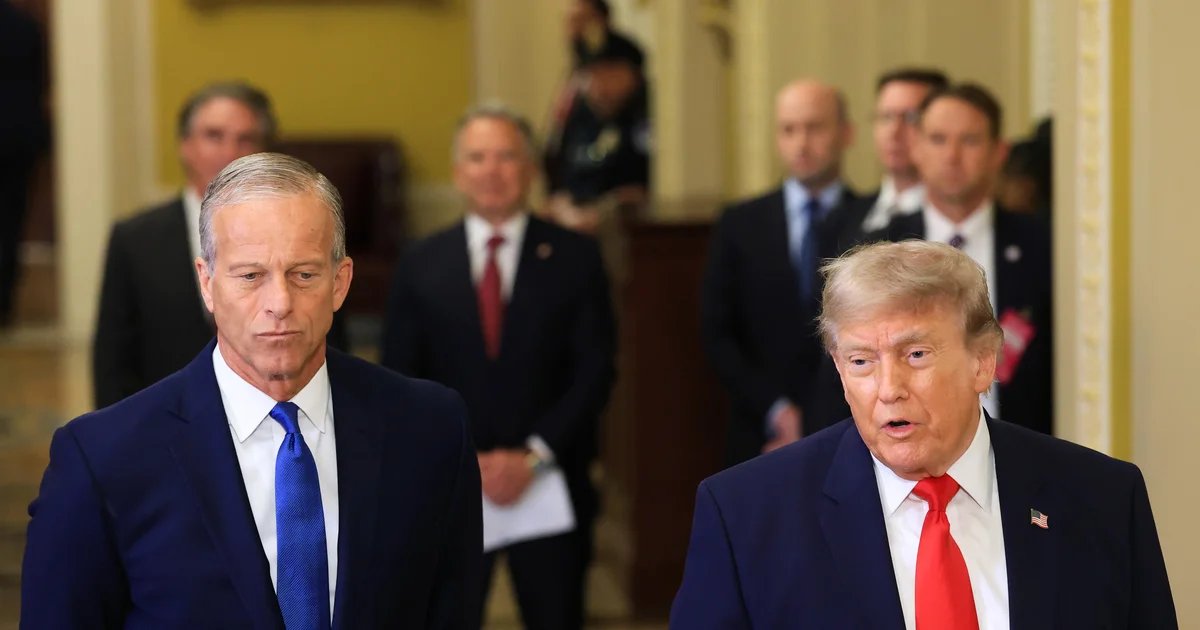
President Trump canceled the signing of a sweeping housing affordability bill hours before the scheduled ceremony, threatening the future of a rare piece of bipartisan legislation aimed at increasing housing supply, lowering costs, and restricting large corporate investors’ role in the market.
“Today’s Housing News Conference and Signing is hereby cancelled until such time as we pass the desperately needed SAVE AMERICA ACT, which I consider to be a National Emergency,” Trump wrote in a Truth Social post on Wednesday.
Trump’s support of the bill, the 21st Century ROAD to Housing Act, has wavered as the House and the Senate negotiated for months over the legislation’s final text. Trump periodically threatened not to sign any other legislation until Congress passes the SAVE America Act, a voter identification bill that lacks enough votes to make it through both chambers.
The latest developments leave the first major piece of housing legislation to reach the president’s desk since the financial crisis in limbo after it passed Congress by wide margins, and for now denies Trump and congressional Republicans a key affordability-related win ahead of November’s midterm elections. Trump’s approval rating on economic issues has slumped in recent months, particularly after the war with Iran spiked inflation to a three-year high.
Housing costs have become a top concern for many Americans. Nationwide, home prices have risen more than 50% on average since the pandemic, while rents are up over 30%. A housing shortage estimated to be in the millions has contributed to higher prices, and years of mortgage rates above 6% have shut many aspiring buyers out of the market.
In a Truth Social post before he canceled the signing, Trump downplayed the importance of the bill, calling it “of minor importance compared to lower interest rates” and the SAVE America Act.
The bill addresses housing affordability on multiple fronts, including by streamlining environmental review processes that can slow homebuilding, creating new grants designed to help state and local governments boost housing supply, easing construction requirements for manufactured homes, and expanding financing options.
It also limits large institutional investors’ ability to purchase single-family homes.
The treatment of institutional investors was a major sticking point in negotiations between the two chambers. The original Senate bill would have required investors who own or build 350 or more homes to sell off their holdings after seven years, a provision that threatened the viability of companies that build homes with the intent to rent them out.