dailynewsnblog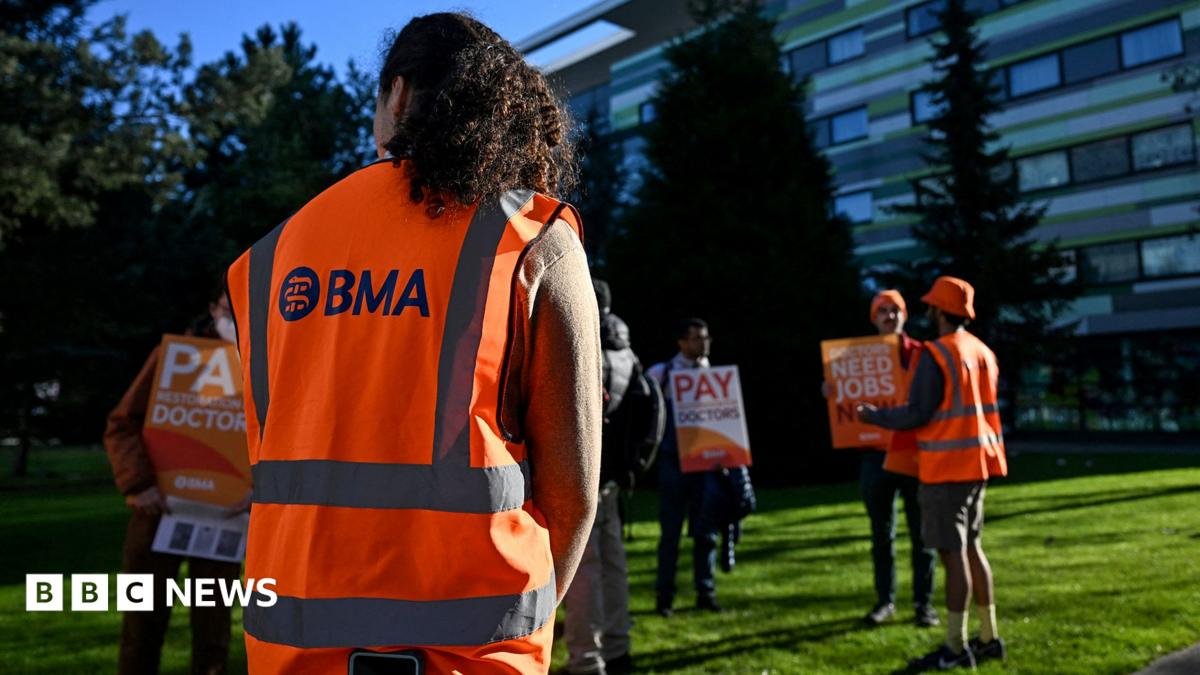
The latest strikes will run from 0700 BST on Monday 15 June until 0659 BST on Friday 19 June – with further dates possible in July if negotiations do not progress.
BMA resident doctor leader Dr Jack Fletcher said that Murray had wasted “a genuine opportunity to break this logjam with fresh energy and ambition”.
“Instead, we are hearing the same tired line: vagueness on new jobs and no further money on the table,” he added.
In response Murray criticised the BMA for rushing to what he called “unnecessary and unreasonable strike action”.
He repeated the line from former Health Secretary Wes Streeting that resident doctors’ 33.4% pay rise over the last four years was the highest anywhere across the public sector, and that further substantial increases were not on the table.
As part of a package of measures, ministers previously promised to accelerate the expansion of specialist training posts, which resident doctors move into in their third year of training.
In 2025, there were more than 30,000 applicants for 10,000 of these jobs – some from abroad.
The government said it would increase the number of posts by 4,000 by 2028 – with the first 1,000 available in 2026 – and would let the NHS prioritise doctors who had studied and worked in the UK.
It also offered to cover some out-of-pocket expenses such as exam fees as well as ensuring faster pay progression through the five salary bands that span training.
When the BMA ended talks in March because it said the deal had been watered-down at the last minute, the government withdrew the offer of the additional 1,000 posts.
Polling from YouGov, external before the April strikes suggested that 53% of people opposed the industrial action, while 38% supported it.