dailynewsnblog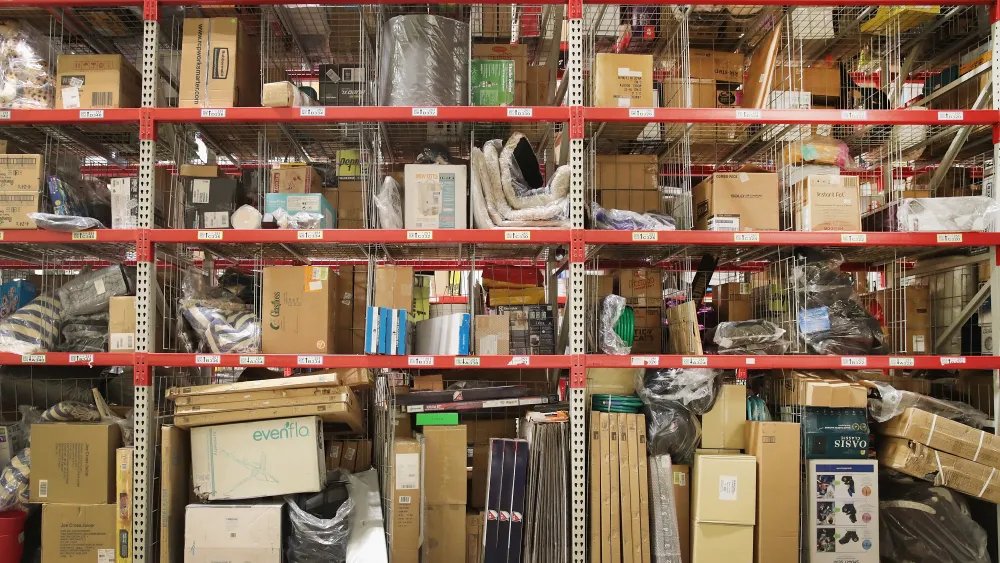
Some fashion retailers‘ efforts to reduce the higher import costs are backfiring. Fearing higher tariffs, retailers built up inventory, only for products to pile up in full warehouses as inflation continues to hold consumers back from spending.
It hasn’t been like this since the post-pandemic in 2022, according to Kylee Hall, vice president of marketing at B-Stock, a B2B platform for returned, excess and trade-in inventory. The San Mateo, Calif.-based platform operates the storefronts of over 70 retailers including Costco, Target, Walmart and Amazon, selling on average 140 million units annually.
“It’s a bit of a perfect storm,” Hall told Sourcing Journal in a recent interview. On one hand, retailers overstocked amid fears of volatile trade policy. On the other, consumers are tightening their spending due to broader economic uncertainty.
“So here we are—with warehouses that are very full,” she said.
This is reflected in what B-Stock, the world’s largest B2B recommerce platform, has been selling to liquidators lately. Returned merchandise has historically accounted for about 75 percent of items sold by B-Stock, with the rest being overstocks. Lately, this mix has been reaching 50-50, Hall said.
The platform has seen overstock items ramp up by 2 million on average per month from March to May this year compared to the same period in 2025, according to Hall. In May alone, volumes rose 20 percent from a year ago. This covers consumer goods in general, although apparel is one of the top categories.
The surplus of products highlights the broader impact the Trump administration’s trade policies have on retailers, especially the middle market and small retailers. Hall said these segments are more likely to have inventory problems than large retailers like Walmart, who otherwise anticipated that problem given their “sophisticated operational footprints.”
For B-Stock, this period of excess inventory is an opportunity to reframe resale as a valuable tool for traditional retailers. Hall said many companies still see resale as a last resort as opposed to a “strategic channel” that could support their efforts to get the most value out of their goods.
Resale, she added, should be a key part of the conversation, especially since there will always factors that could contribute to excess inventory.
“Supply and demand is never a perfect science. There’s always extra inventory and unanticipated consumer behavior changes and apparel style changes,” Hall said.