dailynewsnblog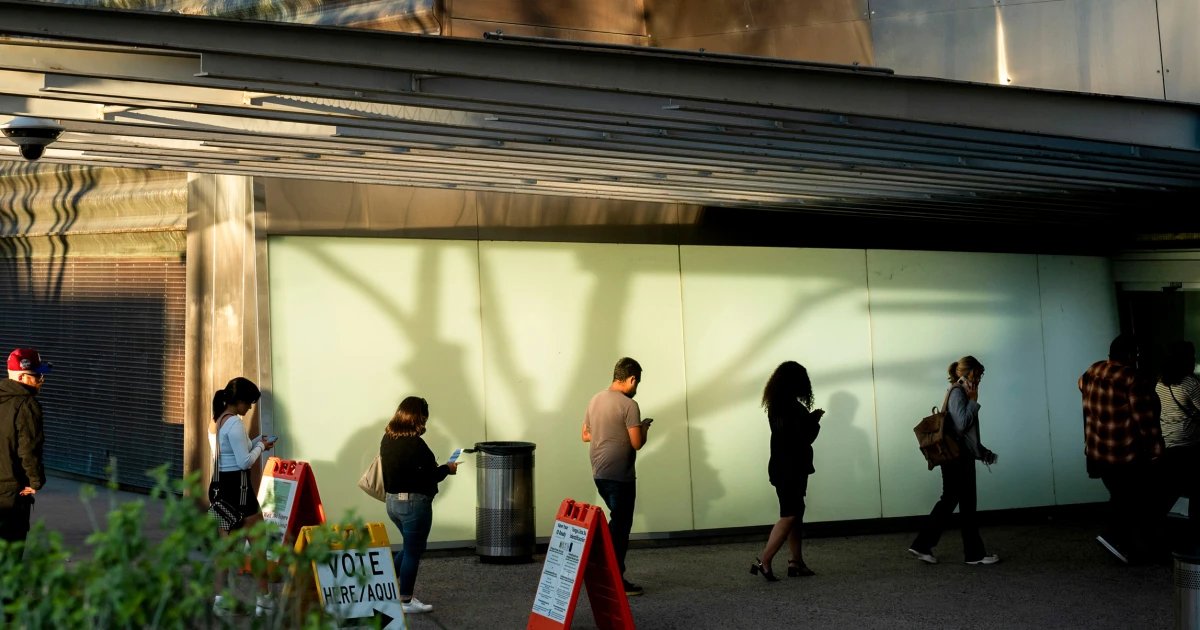
The American Civil Liberties Union will spend more than $50 million on the 2026 midterm election, with half going toward efforts to ensure smooth administration of elections as President Donald Trump seeks to exert more control over the process.
Subscribe to read this story ad-free
Get unlimited access to ad-free articles and exclusive content.

In plans shared first with NBC News, ACLU officials said they will train and deploy more than 100 paid staff members and more than 3,000 volunteer leaders to encourage people to vote and to ensure voter access while monitoring ballot counting and certification.
Those people will coordinate thousands of other volunteers. The ACLU said it has already trained 5,000 people on election work and plans to train 5,000 more.
Arizona, Georgia, Michigan, Nevada, North Carolina, Pennsylvania and Wisconsin — all critical battleground states — are expected to receive the bulk of the investment.
Widespread monitoring of the canvass and certification is new for the organization, said Deidre Schifeling, the ACLU’s chief political and advocacy officer.
“We are in a really unprecedented situation here with this administration’s abuses of power and concerted attempts to suppress voters, to gerrymander, to basically co-opt our democratic system,” Schifeling said.
“Where it is clear that the administration is undermining the legitimacy of our democratic process and trying to co-opt it or sabotage it, we will be ready to react to that in a variety of ways,” she added, noting that they could include litigation, protests or public information campaigns.
Some of the efforts are already underway.
The ACLU is involved in more than 80 lawsuits in two dozen states and Washington, D.C., over voting rights issues, including suits involving redistricting and mail balloting limits.
The group has also begun election-monitoring efforts. In last month’s Georgia primary, local ACLU affiliates put monitors on the ground to watch voting and vote counting in seven counties. They plan to expand to 30 counties in Georgia in November.
The other half of the national $50 million effort — which the ACLU said is the largest election investment in its history — will be directed to down-ballot races and ballot measure campaigns.
They include state Supreme Court races in Montana and North Carolina and secretary of state races in Arizona and Nevada. The group also plans to get involved in state legislative contests in North Carolina, Montana, Georgia and Michigan.
Those races are part of a “firewall for freedom strategy,” Schifeling said.
“Given all the signals that we’ve received from this administration, all of the totally unprecedented ways that they have acted to intervene in elections and to undermine mail-in voting and to insert DOJ in election processes in a way that is unprecedented and inappropriate, we would be foolish to not be prepared,” she said. “So we are prepared, but we hope that we don’t need to use this tool.”
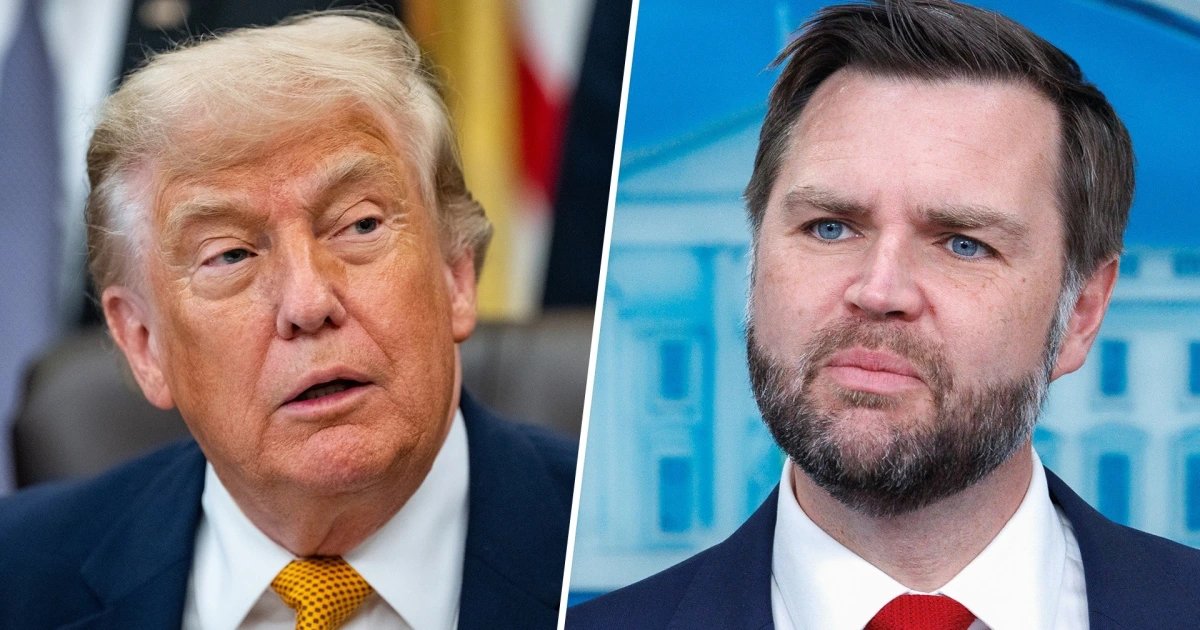
Though the U.S. Constitution largely gives states and municipalities the authority to run elections, Trump has signed executive orders aimed at intervening in the process. In March, he signed an executive order to create federal voter lists and require the U.S. Postal Service not to deliver certain people’s ballots.
Trump’s Justice Department has also sued 30 states and Washington, D.C. — so far unsuccessfully — for refusing to turn over voter roll data. The FBI has also seized 2020 election materials or records from Arizona and Georgia, while the Justice Department demanded 2024 ballots from Wayne County, Michigan. And the FBI tried to interview a top election official in Milwaukee County, Wisconsin.
In February, Trump said Republicans should federalize elections in some places.
“The Republicans should say: ‘We want to take over. We should take over the voting in at least — many, 15 places.’ The Republicans ought to nationalize the voting,” Trump said.
Litigation has curbed some of his efforts, but some election officials have expressed worries that he could send federal agents to the polls this fall, though it is illegal under federal law to deploy “troops or armed men” to polling sites.
Pressed by a state official, a senior Department of Homeland Security official said in February that immigration agents will not show up at polling places this year.