dailynewsnblog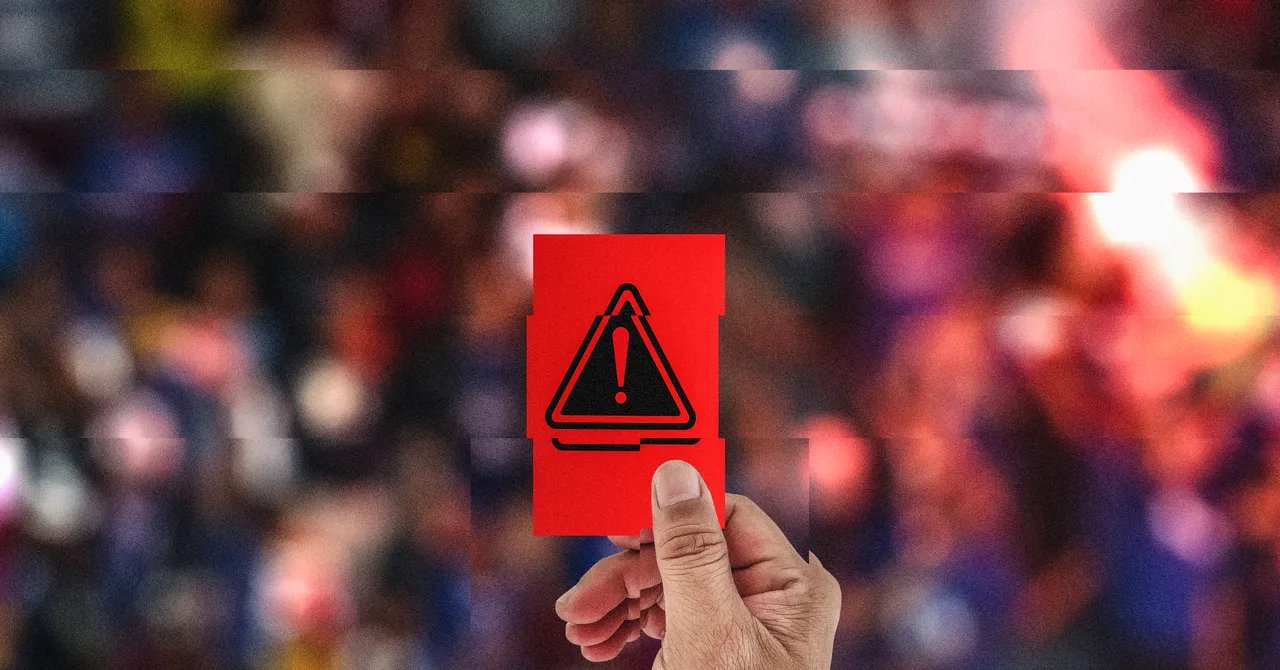
You got a World Cup ticket. It arrived in your inbox with a QR code, professional branding, and a confirmation email that looked like the real thing. Unfortunately, it wasn’t.
For years, spotting a scam was relatively simple. A suspicious email address, broken English, or an obvious typo were often enough to raise suspicion. But at the 2026 FIFA World Cup, those old warning signs are disappearing. AI-generated websites, deepfake videos, fabricated audio, and convincing phishing campaigns are making it easier than ever for criminals to impersonate legitimate organizations.
With the United States, Canada, and Mexico cohosting 104 matches across 16 cities, the largest World Cup in history has created an unprecedented opportunity for cybercriminals.
More than 13,000 FIFA-themed domains were registered between January and May 2026. By early May, roughly one in 41 had already been identified as suspicious or malicious—before a single match had been played, according to Tarek Jammoul, regional managing director at cybersecurity firm TrendAI.
FIFA estimates that more than 6 million fans will fill stadiums to watch the tournament. In fact, more than 150 million tickets were requested within the first 15 days of the sales window alone, making this edition approximately 30 times oversubscribed compared to previous tournaments.
“The World Cup is the perfect opportunity for scammers—you couldn’t create a better one,” says David Holtzman, chief strategy officer at Naoris Protocol, a cybersecurity and blockchain company. “This is soccer. It feels fun and harmless, which lowers people’s defenses.”
For more than a decade, phishing has emerged as the most prevalent type of online scams. Spear phishing—a more targeted form of phishing in which attackers use information gathered from search engines, social media, and other online sources to create more convincing messages—presents an even bigger threat for World Cup fans this year.
The scale of the operation is enormous. Research led by cybersecurity firm Group-IB identified more than 4,300 fraudulent domains impersonating FIFA’s official web presence, alongside six parallel fraud schemes and four independent threat actors operating ahead of the tournament.
Common scams include fake ticket sales, fraudulent immigration or visa-related services, and misleading accommodation offers. Fans are also warned to look out for counterfeit merchandise and websites impersonating official tournament branding.
“When we supported the Qatar Supreme Committee for Delivery & Legacy (SCDL2022) [at the 2022 FIFA World Cup], the threats we helped identify were serious but still relatively recognizable—fake ticketing pages, survey scams offering free mobile data, and a malicious Android app promising live broadcasts, among others,” says TrendAI’s Jammoul.
The scams themselves have not changed dramatically. The difference is the technology behind them.
“At Qatar 2022, we saw fake streaming domains, data-bait survey scams, and crypto schemes using footballers’ likenesses. Those same categories are staging again now, only larger and more AI-polished,” Jammoul says.
The Scammers Are Using AI Too
“There’s been an astronomical increase in scams over the past two years, and AI is a big reason why,” says Holtzman, of Naoris Protocol. According to experts, AI isn’t inventing entirely new attack methods—it’s making attackers far more efficient than they were before.
By generating highly personalized, professional-looking emails at massive scale and helping attackers create convincing fake websites, AI is dramatically expanding the threat landscape.
At the same time, AI is also becoming one of the cybersecurity industry’s most powerful defensive tools. By analyzing vast amounts of data and detecting unusual patterns, it can help identify suspicious domains and anticipate emerging threats. But technology alone may not be enough.
Companies are increasingly relying on collaboration between platforms, cybersecurity firms, and law enforcement to track potential threats. Meta, for example, says it has worked through initiatives such as the Global Signal Exchange (GSE) and Fraud Intelligence Reciprocal Exchange (FIRE) to identify and disrupt coordinated scams targeting users.