dailynewsnblog
For nearly two decades, the mandatory retirement age for Part 121 airline pilots in the US has been 65. That limit was established in 2007 when Congress raised the age from 60, aligning the country’s regulations with international standards and allowing experienced pilots to remain in airline cockpits for longer. Now, lawmakers are once again debating whether that threshold should move higher. The latest effort comes through the Let Experienced Pilots Fly Act.
This was reintroduced by Representative Troy Nehls, and it would increase the mandatory retirement age from 65 to 67. Supporters argue that keeping veteran pilots on the line for an additional two years would help airlines retain experience and ease staffing pressures. However, the most significant challenge facing the proposal has little to do with pilot supply, centering instead on an international rule that would fundamentally reshape how senior airline captains can work.
Moving The Retirement Age Beyond 65

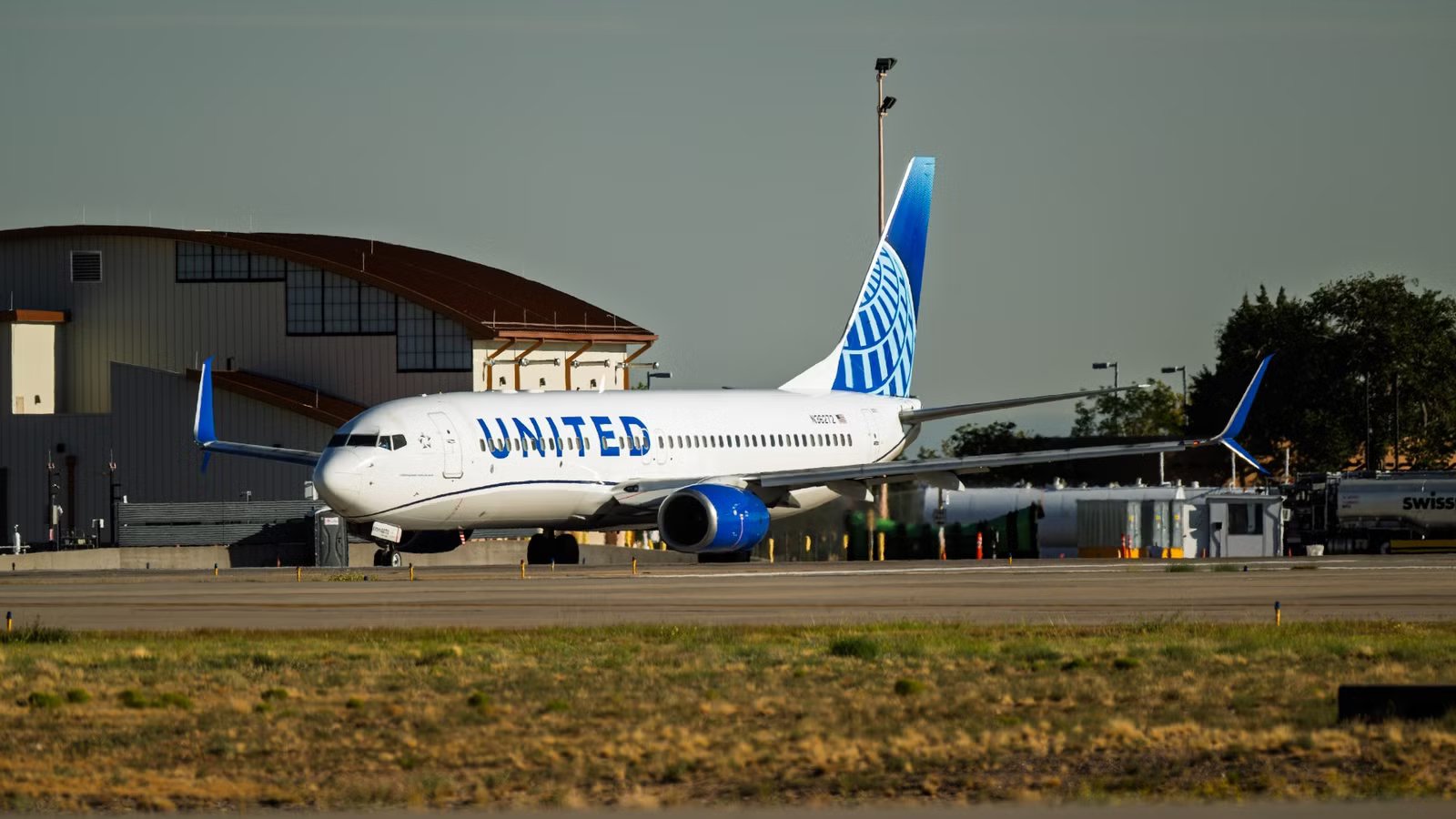
United Airlines, Simple Flying
The Let Experienced Pilots Fly Act has become the focal point of the latest retirement-age debate. The proposal seeks to allow Part 121 airline pilots to continue flying until age 67, extending careers that currently end at 65 regardless of medical fitness, experience level, or airline demand. The legislation has gained political traction before, and during debate surrounding the FAA Reauthorization process in 2024, the House approved similar retirement-age language by a substantial 351-69 margin.
The provision was ultimately removed from the final bill. That vote demonstrated that support for an age increase extends well beyond a small group of aviation advocates and remains a live issue in Washington. Supporters frequently frame the measure as a response to ongoing concerns about pilot availability, as every year, thousands of experienced captains reach the mandatory retirement threshold and leave airline service.
Estimates suggest roughly 4,300 airline captains retire annually across the US, taking decades of operational experience with them. Proponents argue that allowing those pilots to remain employed for an additional two years could help airlines maintain staffing levels while also preserving institutional knowledge within flight departments.
Much of the public discussion focuses on whether pilots are capable of safely flying beyond age 65. However, that question may no longer be the most important factor in determining how the proposal would affect airline operations.

The Pilot Shortage In 2026: Is It Still Real, And What Is Actually Being Done About It?
The relatively low mandatory retirement age for pilots means that thousands leave the role every year, and airlines are in a race to replace them.
ICAO Is Against An International Age Increase

American Airlines, Simple Flying
The central problem facing any US retirement-age increase emerged during the 42nd ICAO General Assembly in late 2025. During that gathering, delegates considered proposals that would have increased the international pilot retirement age from 65 to 67, but the proposal failed. That decision effectively cemented age 65 as the global standard for airline pilots operating internationally. Individual countries retain authority over domestic aviation regulations.
However, international operations remain governed by broader agreements established through ICAO. As a result, even if Congress raises the US retirement age to 67, international rules would continue recognizing 65 as the maximum age for pilots conducting international commercial flights. This distinction is frequently overlooked in broader coverage of the issue, as headlines often present the debate as a straightforward question of whether pilots should work two additional years.
However, in reality, ICAO’s 2025 decision means that any US age increase would immediately create a disconnect between domestic regulations and international operating requirements. For airlines that primarily fly within the US, that discrepancy would still create challenges. However, for major carriers operating extensive international schedules, such as  American Airlines,
  United Airlines, and
  Delta Air Lines, it would produce a far more disruptive consequence.
Why Pilots Aged 66 & 67 Could Not Fly International Routes

United Airlines, Simple Flying
Under existing international standards, a US pilot who remains employed after turning 65 would face significant restrictions. While that pilot could legally operate domestic flights within the US, international routes would effectively become off-limits. For a major airline captain flying long-haul services to Europe, Asia, South America, or other international destinations, reaching age 66 would trigger an immediate change in eligibility.
The pilot could no longer serve on those international flights regardless of experience, seniority, or airline preference, with duties limited instead to domestic operations. That restriction creates what many industry observers describe as a two-tier captain system. One group of captains, those aged 65 and younger, would retain access to the full range of airline flying opportunities, while another group, composed of pilots aged 66 and 67, would remain employed but be restricted exclusively to domestic schedules.
The practical implications are enormous because senior captains occupy some of the most desirable positions within airline networks. Many spend decades accumulating the seniority necessary to secure premium widebody duties serving major international destinations such as  London Heathrow Airport (LHR) and
  Tokyo Haneda Airport (HND).
These routes often feature higher compensation opportunities, attractive layovers, and schedules specifically selected through years of career progression. An age increase would not allow those captains to continue flying the routes they currently hold. Instead, it would remove them from international operations entirely while requiring airlines to reshuffle staffing across their networks.

Why The FAA’s Pilot Retirement Age Rule Is Being Challenged Like Never Before
New legislation is gaining bipartisan support in Congress.
Disruption In The Seniority System

Airline operations in the US often rely heavily on seniority-based bidding systems, whereby pilots bid for aircraft types, schedules, bases, and routes according to their relative position on a seniority list. The system governs nearly every aspect of a pilot’s career and serves as the foundation upon which staffing decisions are built. Introducing hundreds or potentially thousands of domestic-only captains into that structure would create significant ripple effects.
Senior captains who currently fly international widebody aircraft would need to move into positions they are legally allowed to hold after age 65, which would largely be domestic-only operations. As these highly senior pilots move into domestic flying, less senior captains and first officers would be displaced from positions they currently occupy. Those pilots would then seek alternative duties, triggering a cascading series of changes throughout airline bid systems.
The effect would not simply affect pilots approaching retirement age: it would also spread throughout entire pilot groups. A captain expecting to upgrade onto a larger aircraft could see that opportunity delayed, while a first officer planning a move into a captain position might find advancement slowed. Pilots seeking specific domiciles or schedules could face unexpected competition from colleagues who suddenly need domestic positions.
This is one reason pilot labor organizations have become so vocal in their opposition. The issue is not merely whether older pilots remain employed, but rather how their continued employment under international restrictions would reshape staffing structures that have evolved around a retirement age of 65.
What Do The Unions Say?

Shutterstock, Simple Flying
The Air Line Pilots Association (ALPA), which represents around 80,000 pilots across North America, has emerged as one of the most prominent opponents of increasing the retirement age, and more than 30 labor organizations have expressed similar concerns. One of the largest operational issues involves training, as when pilots move between aircraft types, seats, or operating categories, airlines typically must provide extensive training and qualification programs.
If large numbers of senior international captains become domestic-only pilots overnight, airlines would need to retrain many of them for new assignments. At the same time, younger pilots moving into newly vacated international positions would also require training. This dual movement could place significant strain on simulator capacity, instructor availability, and training departments.
Airlines already devote substantial resources to recurrent training and qualification requirements, and adding a large-scale transition involving some of the most senior pilots in the workforce could create bottlenecks affecting multiple fleet types. Labor groups argue that the resulting disruption would outweigh many of the perceived benefits associated with retaining pilots for an additional two years.
Instead of preserving stability, they contend the proposal could trigger years of complex staffing adjustments as carriers attempt to accommodate age-related operating restrictions while maintaining normal schedules. The challenge becomes particularly acute at airlines with extensive international operations because those carriers employ the highest concentrations of senior widebody captains who would be directly affected by the rule change.

Why US Visa Restrictions Could Be A Major Threat To Global Pilot Supply
Many flight schools are reliant on international students, so changes to visa systems could worsen the pilot shortage in the long run.
Many Senior Captains May Choose Retirement Anyway

One of the more overlooked aspects of the debate is whether pilots would actually want to remain employed under these conditions. The assumption behind retirement-age legislation is that large numbers of senior captains would eagerly continue flying through age 67 if given the opportunity. That may not necessarily be the case. Many of the pilots most affected by the proposed change currently occupy highly desirable international positions earned through decades of seniority accumulation.
Their schedules often include destinations such as  Paris Charles De Gaulle Airport (CDG), Sydney Airport (SYD), or
  Hong Kong International Airport (HKG). These are paired with premium aircraft assignments and long-haul operations that represent the culmination of a career. Under a US-only age increase, those same pilots could find themselves reassigned to domestic routes once they pass age 65.
Instead of international layovers and widebody flying, they could be operating domestic schedules involving shorter segments and overnight stays in less desirable markets. For some captains, that trade-off may not be appealing, and after spending years working toward elite international positions, losing access to those assignments during the final stage of a career could reduce the incentive to remain employed at all.
Rather than accepting domestic-only restrictions, some pilots may simply retire at 65 as originally planned. That possibility highlights the central paradox surrounding the entire proposal. Advocates view an age increase as a way to retain experienced airline captains.
However, because ICAO has already rejected a corresponding international age increase, the very pilots airlines would most like to keep could lose access to the positions that make continued employment attractive. The debate therefore extends far beyond age alone and into the operational realities of how modern airline networks, international regulations, and seniority-based careers actually function.