dailynewsnblog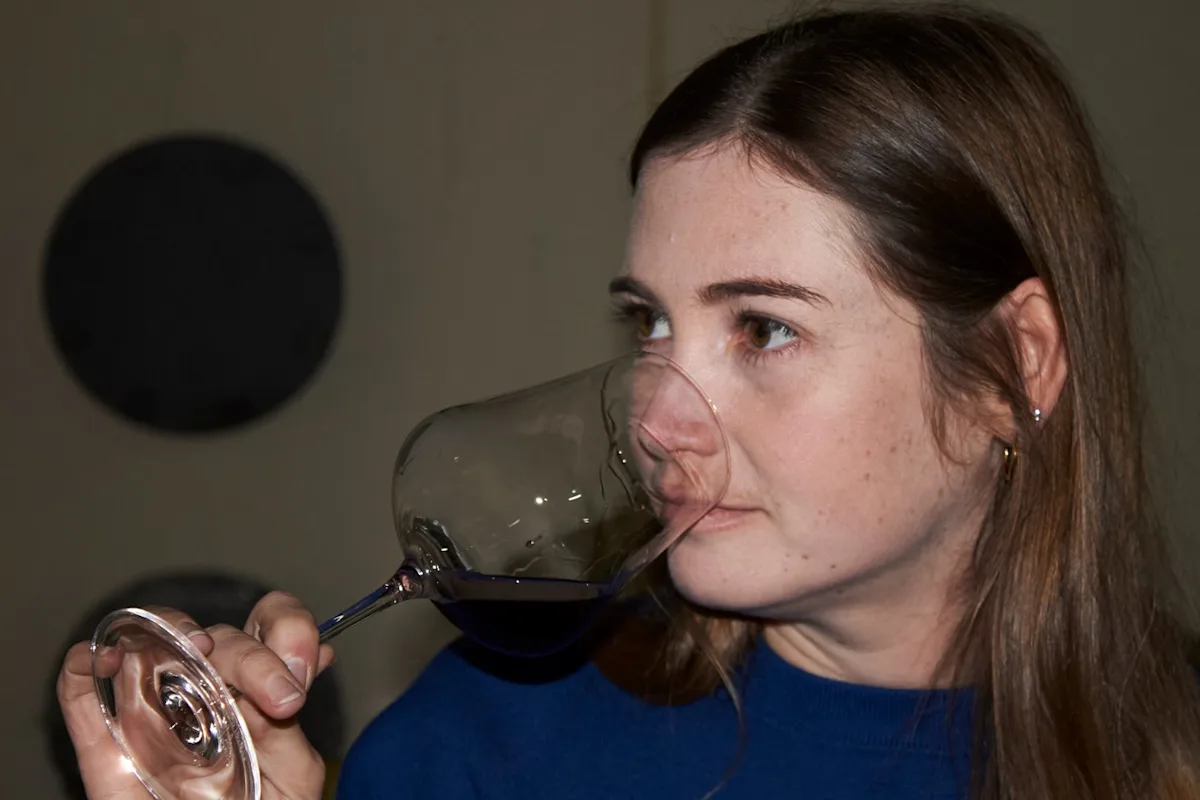
CAPE TOWN, South Africa (AP) — Like millions of others, Natasha Jacka went stir-crazy during a COVID-19 lockdown in 2020, until it dawned on her that there might be great opportunity in having nowhere to go.
Jacka used the pandemic and the suspension of her studies at an agricultural college to plant her own vineyard at her family home in South Africa. It was a way to fast forward her dream of becoming a winemaker by bringing it, literally, within reach.
Nothing in the wine world moves too fast, though, and it was four years before the first harvest and vintage.
Jacka’s debut wines from grapevines that she planted, cared for and harvested in the yard of her parents’ sea-facing home in Cape Town — also stomping the grapes herself — were greeted with high praise by critics.
What a relief, she said.
“It could have been so much work and if it doesn’t deliver, you know, then you just feel … I can’t imagine how I’d feel,” Jacka said. “I wasn’t looking at it like, ‘oh this is going to make a fortune,’ or anything like that. This is a labor of love.”
Christian Eedes, the editor of South Africa’s respected online wine review publication winemag.co.za, said that Jacka’s project was “a triumph of hope over good sense,” given how difficult it is to produce fine wine and turn a profit from such a small vineyard.
Jacka squeezed 1,400 vines into two blocks in her parents’ garden, which had at one time been part of a smallholding. One batch to produce a white blend, the other a syrah red wine varietal. That’s a tiny number considering that regular wine farms usually have more than 50,000 vines.
“There’s plenty of space in the world for craft and handmade,” Eedes said. “It’s the opposite of mass produced. It’s made with thought and care, and typically hard to come by.”
The coronavirus pandemic struck at the height of Jacka’s ambition. She was 27 and, tired of working for grumpy chefs, had left a job in the restaurant business to study viticulture at an agricultural college in the winemaking town of Stellenbosch, just outside Cape Town.
She was following her passion and full of zest, she said, when the pandemic reduced her world to the boundaries of her parents’ home in the Cape Town suburb of Noordhoek. Then, one day, she saw potential there.
“I was actually looking out the window and I thought, imagine if there were vines here,” she said. “It was a small spark.”
That was followed by conversations with her family to get their buy-in, and then a large amount of work.
Jacka needed to clear the ground, procure more than 1,000 vines, and plant each one of them with a tall wooden stake to hold them. Her parents helped, though mom Sonia was soon banned from the planting process after putting one vine in upside down.