dailynewsnblog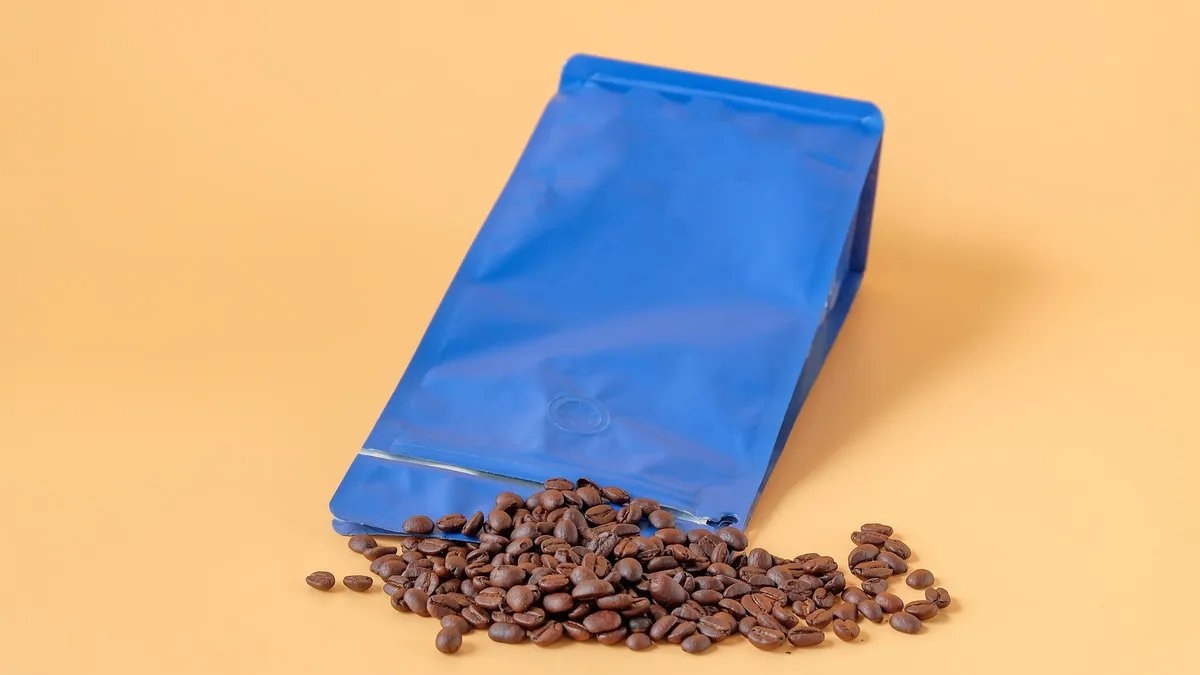
Great coffee at home isn’t only about which beans you buy or how you brew them. What happens in between — after roasting, before grinding — matters just as much, and it’s the step most people overlook entirely. A bag left open on the counter, beans sitting in a clear canister by the stove, coffee ground hours or days before you actually need it. These small habits are enough to quietly drain away the aroma and complexity you paid for, leaving you with a cup that’s fine but never quite hits its potential.
If you’re serious about coffee, starting with a solid burr grinder for even extraction and dialing in the golden ratio when brewing puts you ahead of most. But freshness deserves just as much attention. It’s a delicate balance and knowing when to grind and how to store your beans can make a real difference in the final cup.
At this point, you might think you’ve covered every angle. But for the truly obsessive — and if you’ve read this far, you know who you are — I brought in an expert to walk us through the best practices for keeping beans in top shape.
Luciano Repetto, co-owner of the multigenerational, artisanal San Francisco coffee roaster Graffeo, talks us through everything we need to know about optimal grind timing and storage for maximum coffee bean freshness.
Can coffee beans be too fresh?
There is such a thing as beans that are too fresh.
There’s a temptation to believe that the best coffee comes from beans still warm from roasting, but what is true for the bagel you’re having with your coffee isn’t necessarily true for the bean. There is, in fact, such a thing as beans that are too fresh.
“With a traditional drum roaster, you have to wait several days before grinding, at least,” says Repetto. “The beans need time to release some of their aromatics, which can be a bit too strong right after roasting.” Much like you need to give a steak a few moments off of the heat before slicing into it, freshly roasted coffee beans also need a moment to rest.
“Off-gassing” or “degassing” is the necessary phase during which roasted beans release carbon dioxide after roasting. Skipping ahead to grinding before the CO2 has been adequately released may result in an inconsistent extraction in the resulting coffee.
The roasting method, however, also plays a big part in the timing here. According to Repetto, who uses a fluid bed roaster rather than a typical drum roaster, “based on taste tests we’ve done, you don’t have to wait weeks or days,” he says. “With fluid bed roasting, the tremendous amount of air used in the process strips the beans of smoke and chaff. The result is a very clean taste that’s ready much sooner, within 24 hours.”
Coffee pros recommend burr grinders over a blade model every time.
For best results, wherever you are, ask your local roaster what method they use for roasting, or for their recommendation on how long to wait before grinding.
Grinding beans at home
You don’t actually have to grind beans daily for the best results. Grinding the whole bag upon arrival for convenience surely isn’t recommended, but “grinding a few days at a time is fine,” says Repetto.
But he echoes a sentiment many coffee pros we’ve spoken to have emphasized. “It’s how fresh the beans are and when they were roasted,” he says, “that make the real difference in flavor.” “Beans don’t stay fresh for very long.”
Keeping beans fresh: Should you freeze or refrigerate?
Try not to grind more than a few days worth of beans ahead of time.
So then, how to preserve that freshness? Perhaps you picked up a nugget of intel somewhere that suggested you can put your coffee beans in the freezer. And you’re thinking that you can buy freshly roasted beans in bulk to save yourself a bit of coin in the long term. Unfortunately, you’re going to want to file that nugget under “not great advice.”
“We do not recommend freezing them,” says Repetto. The low temperature may help slow the loss of freshness, but unless you are diligent about regular freezer upkeep and cleaning, it is simply too volatile an environment to do any good. Ambient humidity and persistent aromas can contaminate coffee beans, rendering useless whatever preservation of aromatic compounds you thought you were achieving.
You do want to keep them at a lower temperature and in a more airtight container than the bag they came in to preserve the oils responsible for flavor. “The goal is to protect the beans from moisture while keeping them at a cool, stable temperature,” says Repetto. “That’s what keeps the oils fresh and the flavor intact. You can slow the staleness by storing them in a sealed container, such as a good jar with a lid and refrigerating.”
A vacuum-sealed jar is ideal for storing beans.
A jar or vacuum-sealed packaging is recommended, as the paper bag the beans likely came in will not sufficiently keep out moisture in the refrigerator. While you can grind up to a few days’ worth of beans at a time, when you’re storing them in the refrigerator, “your beans should be stored whole until you’re ready to use them,” says Ripetto.
If coffee beans are older than two weeks, don’t buy them
No matter when and how you grind your coffee beans, or how you store them, the single best thing you can do for your coffee routine is to buy them local, freshly roasted and often.
We asked a professional roaster about the best way to store and grind coffee beans for maximum freshness.
“I’ll say this with no equivocation,” says Ripetto, “if the coffee you purchase is already two to three weeks old, you can grind it all you want and it’s not going to get any better.” Three weeks is really only OK if you go through coffee quickly.