dailynewsnblog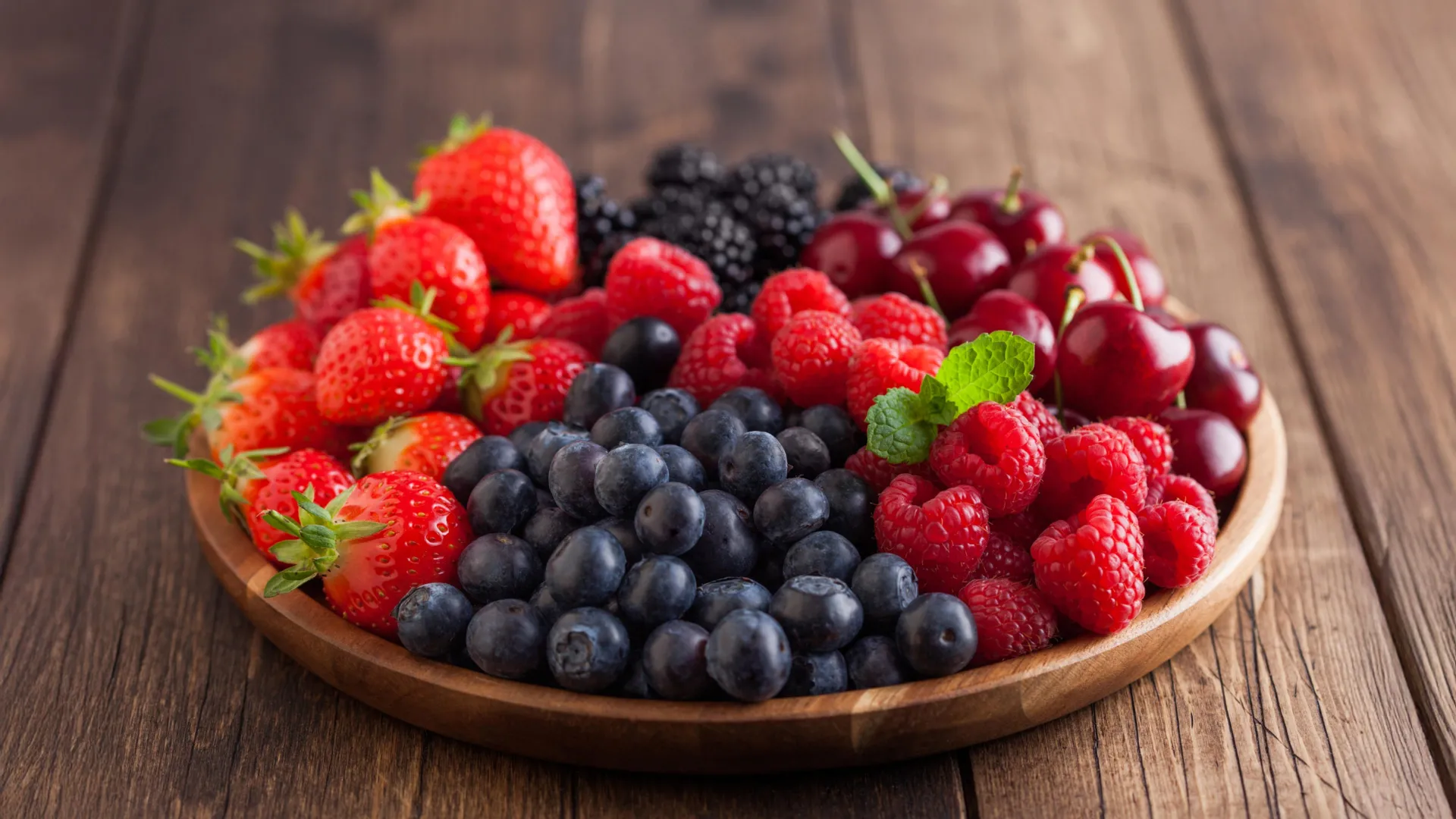
Adding foods like blueberries, plums, blackberries, broad beans, and cherries to your daily diet, especially when paired with green tea, could be a simple way to support heart health, according to new research.
A large international study led by scientists from the University of Reading, Harvard Medical School, the University of California Davis, and Mars, Inc., found that most people are not consuming enough flavanols, natural compounds linked to a lower risk of heart disease.
The researchers discovered that fewer than 20% of people reached the flavanol intake level associated with heart health benefits. Even many individuals who regularly ate the recommended five daily servings of fruits and vegetables failed to meet that target.
Published on June 8, 2026, in the journal Food and Function, the study analyzed dietary data from more than 30,000 people in the United Kingdom and the United States using biomarker measurements to assess flavanol intake.
Most People Fall Short on Flavanols
Dr. Javier Ottaviani, the study’s lead author, said: “Flavanols can significantly reduce the risk of dying from cardiovascular disease, but only if you consume enough of them. Most people assume that eating plenty of fruit and vegetables covers this, but what this research shows is that the specific choices you make matter far more than the total amount. Including a handful of blackberries, a whole apple or having a cup of green tea alongside your meal could make a real difference to how much of these beneficial compounds you actually consume and absorb from the diet.”
The findings suggest that simply increasing fruit and vegetable intake may not be enough. The specific foods people choose appear to play an important role in determining how many flavanols they actually consume.
Foods Highest in Heart Healthy Flavanols
Earlier research, including the COSMOS study, the largest clinical trial to examine flavanols, found that consuming 500 milligrams of flavanols per day significantly lowered the risk of death from heart disease.
The new study indicates that most people remain well below that level, even when following standard healthy eating recommendations such as the NHS Eatwell Guide.
Researchers identified the following foods as some of the richest dietary sources of flavanols per serving:
- Plums (500g, roughly one punnet): ~450mg of flavanols
- Cranberries (250g, roughly one punnet): ~300mg of flavanols
- Blackberries (200g, roughly one punnet): ~250mg of flavanols
- Green tea (one 250ml cup): ~200mg of flavanols
- Broad beans/fava beans (80g, a small handful): ~140mg of flavanols
- Cherries (400g, roughly one punnet): ~130mg of flavanols
- Apples with skin (200g, one medium apple): ~110mg of flavanols
- Strawberries (200g, roughly one punnet): ~90mg of flavanols
- Blueberries (150g, roughly one punnet): ~80mg of flavanols
- Pinto beans (40g, two tablespoons dry): ~70mg of flavanols
Could Dietary Guidelines Be Improved?
The results also raise questions about whether current nutrition recommendations could do a better job of helping people obtain beneficial compounds such as flavanols.
Professor Gunter Kuhnle of the University of Reading said: “Five-a-day is the right message, but we may need to think more carefully about which five. Different fruits and vegetables offer very different nutritional benefits beyond vitamins and minerals, and as our understanding of these compounds grows, there is a real opportunity to make dietary guidance more specific and more effective. This research is a step towards understanding what that might look like in practice.”
The researchers say the findings highlight an important point. While eating plenty of fruits and vegetables remains a cornerstone of a healthy diet, the types of produce chosen may have a significant impact on heart health benefits.