dailynewsnblog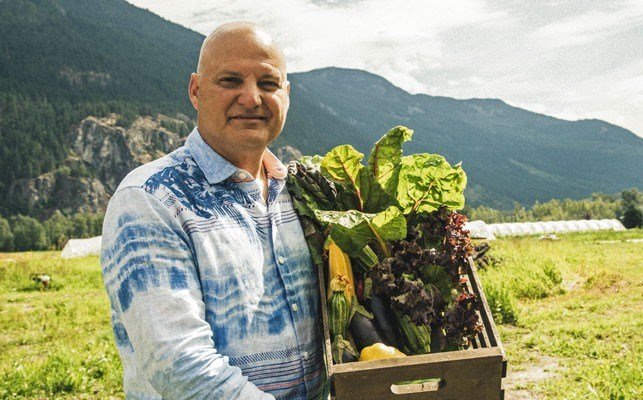

Blue House Organics is barred from hiring temporary foreign workers until May 2028, according to a federal non-compliant employers list
A Pemberton organic farm has been fined $387,500 and barred from hiring temporary foreign workers for two years after federal officials found it violated multiple Temporary Foreign Worker Program (TFW) rules.
Blue House Organics Inc. was listed as “non-compliant” in a May 29 decision on the federal government’s public registry of employers found in breach of temporary worker rules.
The listing names three violations: the employer could not show the job description it gave on its Labour Market Impact Assessment application was accurate; it broke federal, provincial or territorial laws for hiring and recruiting employees; and the pay, working conditions or job did not match, or exceed, what was listed in the worker’s offer of employment.
The penalty includes the $387,500 fine and a two-year ban, with Blue House Organics listed as ineligible to hire temporary workers until May 29, 2028.
A farm with a public profile
The federal registry lists the company’s address as a Dunbar Street unit in Vancouver. Blue House Organics’ own website lists its farm address as 8184 Pemberton Meadows Rd., and describes the operation as a 70-acre (28-hectare) organic vegetable farm and farm stay, with 20 acres (eight hectares) along Pemberton Meadows Road and 50 acres (20 hectares) in Birken.
“Established in 2017, the farm is located along the scenic Ryan River in the Pemberton Meadows Valley above Pemberton, B.C.,” the company’s website says. It says the farm is certified organic, CanadaGAP food-safety certified and part of the Pemberton Farm Tour.
In 2017, Pique reported owner Alejandro Sucre had teamed up with Fundació Barriga Llena Corazón Contento, a group running a soup kitchen out of a children’s hospital in Caracas, and had donated $1 from every harvest vegetable box sold from his Pemberton farm.
“We have all these beautiful vegetables growing on the farm and the people in my home country are starving,” Sucre said in a release quoted by Pique at the time. “This is a small gesture, but it is important that we do something to help the children.”
Sucre is also an economist and columnist for Venezuela’s oldest newspaper, El Universal, where he has written about free enterprise and the country’s political and economic crisis.
Worker-program penalties on the rise
The Blue House Organics penalty comes amid heightened scrutiny of Canada’s TFW program and a rise in large penalties for employers found to have broken program rules.
The federal government said in October 2025 that employers using the program must provide “safe, healthy and dignified working conditions,” and can face administrative monetary penalties of up to $1 million per year, as well as temporary or permanent bans from the program.
In the 2024-25 fiscal year, Employment and Social Development Canada conducted 1,435 employer compliance inspections and found 10 per cent of employers inspected to be non-compliant. During that period, penalties more than doubled from about $2.1 million to nearly $4.9 million, while 36 employers were banned from the program.
The Blue House Organics fine is among the larger TFW penalties issued in B.C.
Earlier this year, a Surrey farm was ordered to pay $435,000 for foreign-worker violations. The federal government also cited a $1-million penalty and 10-year ban issued to a fish and seafood employer in September 2025 as the largest penalty ever issued by the department.
The TFW program is meant to be used when employers cannot find qualified Canadians or permanent residents to fill job vacancies. Federal officials say the inspection system is intended to make sure employers meet program conditions and protect workers from abuse, unsafe conditions and misuse of the program.
Blue House Organics did not respond to requests for comment before Pique‘s weekly deadline.