dailynewsnblog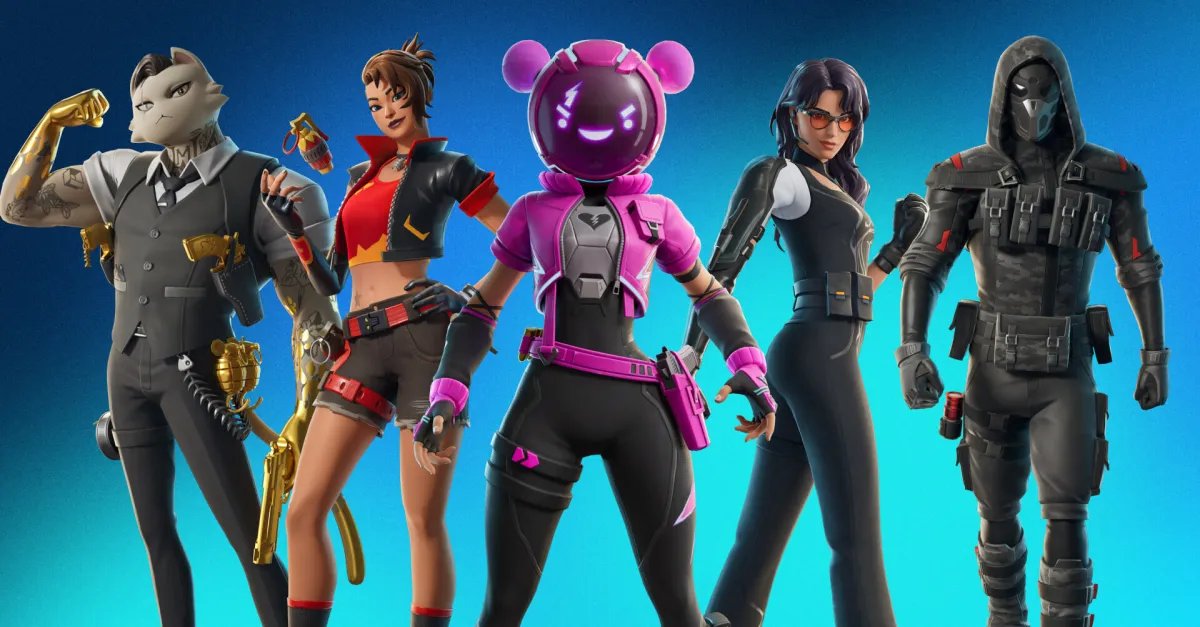
Epic Games has been touting the potential of an interoperable metaverse for years, though that vision hasn’t yet become a reality. But with Unreal Engine 6, the next major version of its game development engine, Epic plans to take a big step toward that theoretical future: it will let developers make games that can use a player’s Fortnite skins and will let developers build skins of their own that work with Fortnite.
“We’re tackling this problem first because we want to prove things out with a system that’s complex enough to be a meaningful existence proof of the idea, and one that inherently comes with a ton of player value by respecting their purchases across an interconnected ecosystem of games,” Marcus Wassmer, Epic’s EVP of development, says in a blog post tied to Epic’s State of Unreal keynote.
Should this system work and get broadly adopted by developers, it could actually be pretty cool. I have spent more money on Fortnite skins than I care to admit, and I imagine it would be fun to romp around in games that aren’t Fortnite with outfits like John Wick or my favorite Stormtrooper Samurai.
But for that to actually happen, developers will have to do the work to implement support for the systems in their games, which isn’t a guarantee. They’ll likely need some kind of incentives to make the effort with it instead of just opening a door that feeds back into Epic’s Fortnite ecosystem. And with Epic targeting an early access release for Unreal Engine 6 for the end of 2027 — and the full release coming “12-18 months later” — it will be a while before all the tools are in place for interested developers to even begin implementing ways to allow Fortnite skins in their games.
This is also all being announced as Fortnite is facing some challenges, with Epic laying off more than 1,000 workers in March due to a dropoff in Fortnite engagement. Fortnite is still popular — it has 75 million monthly active users, Epic’s Hannah Lowry said on stage. But it’s not as big as it once was, and Epic is trying to turn things around with more gaming crossovers and a planned shift to show the Roblox-like “Discover” screen featuring different experiences when you boot up Fortnite instead of dropping you into the lobby. And Epic’s planned “persistent universe” it’s building with Disney still hasn’t come to fruition after being announced more than two years ago.
Epic is also getting pushback against its approach to generative AI. This week, it detailed how it uses generative AI to assist with making art for Fortnite, and as part of the State of Unreal news, Epic said that it would add an experimental MCP plugin to Unreal Engine to let developers connect LLMs to their projects to help with generating assets and other parts of development. On stage, Epic announced a planned Fortnite crossover featuring the indie hit Vampire Survivors, but Poncle, the developer of the game, said that because of “today’s news about gen AI usage by Epic to create all sort [sic] of game assets, including Fortnite characters,” it would be “reviewing” the collaboration.