dailynewsnblog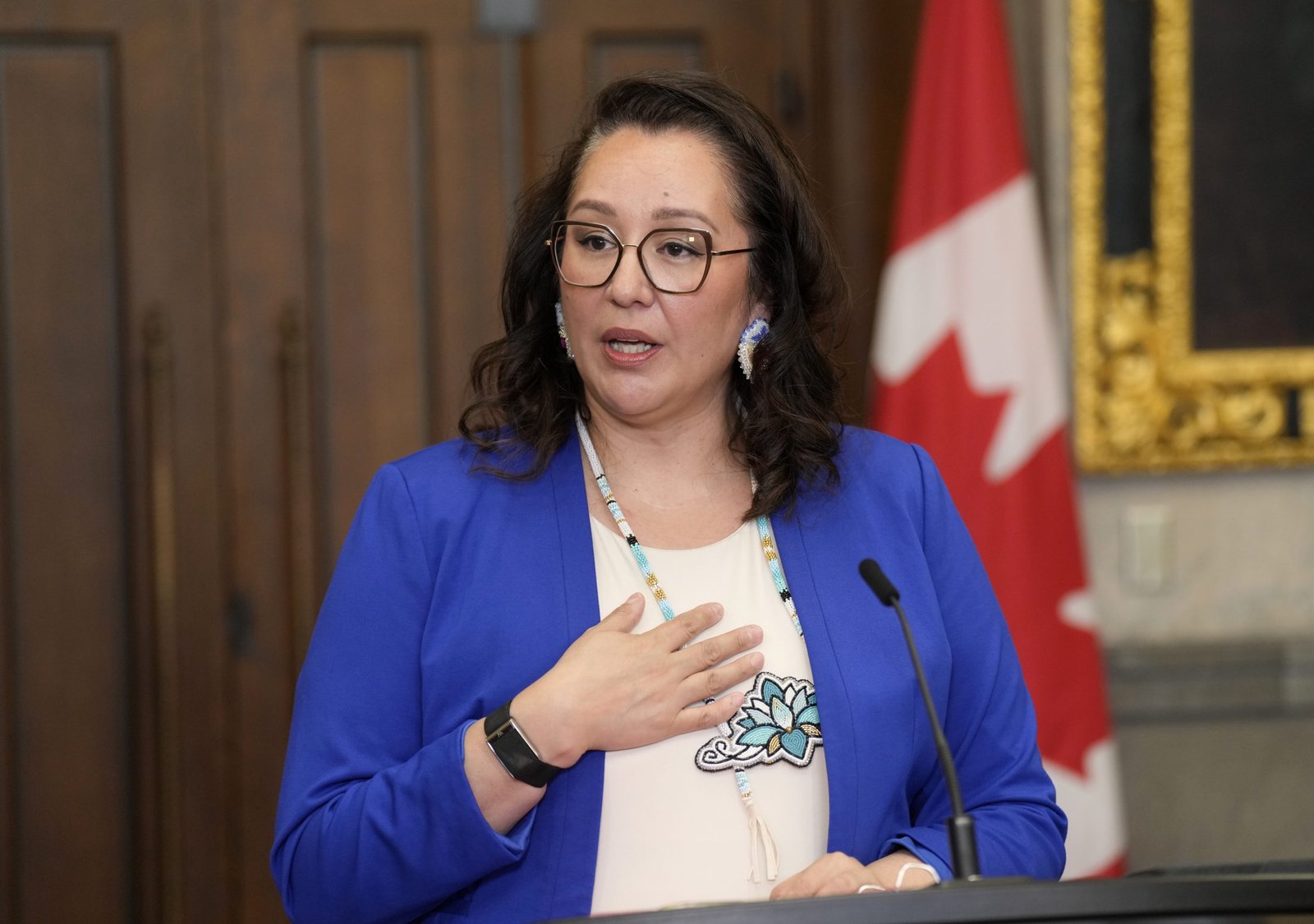
“I’m not trying to put a bill forward that’s going to be challenged,” Indigenous Services Minister Mandy Gull-Masty told reporters, adding she hopes provinces and territories will see the federal government as a partner in ensuring First Nations communities have access to clean water.
The federal government tabled the long awaited First Nations Clean Water Act on Tuesday, reviving a piece of legislation that died on paper when parliament prorogued last year.
The bill’s predecessor, Bill C-61, included a clause “recognizing and affirming that it is a human right of every individual on First Nations land to have access to clean and safe drinking water.”
The version tabled by the Carney government drops the explicit mention of rights, and instead promises to advance “the progressive realization of the internationally recognized human right to safe drinking water on First Nation lands.”
The new bill would establish legally enforceable protections for safe drinking water on First Nation lands, with the stated goal of bringing service levels in line with those in non-Indigenous communities.
Asked to explain why explicit reference to access as a human right was dropped, Indigenous Services Minister Mandy Gull-Masty said it was about presenting a bill that could withstand the test of time.
“I’m not trying to put a bill forward that is going to be challenged,” she said. “I’m trying to put a bill forward that partners, provinces, and territories feel can advance so that they can work with us.”
“I think the space that we were in politically as a country when C-61 was put forward is a little bit different today,” she added.
Last year, the environment ministers of Alberta and Ontario sent a letter to federal Environment Minister Julie Dabrusin, naming pieces of legislation, including Bill C-61, that they argued could “undermine economic competitiveness.”
It’s not clear if or how including access to clean water as a human right on First Nations would impede resource development.
The initial letter to Dabrusin did not elaborate, but a follow-up apology letter from Ontario Environment Minister Todd McCarthy to Indigenous leadership stated: “We strongly believe this is not an either-or proposition: we can and need to bring clean drinking water to First Nations communities, while also bringing the kind of regulatory certainty that attracts investment in businesses and communities.”
John P. Brown, who was part of the legal team that secured Canada’s $8-billion settlement over First Nations drinking water, says he’s pleased the legislation reflects two important aspects of the case, including the creation of statutory obligations for Canada to provide minimum water-quality standards and funding that reflects the true cost of meeting those standards.
“We are disappointed [the section on rights] does not speak as strongly as it did previously,” he told iPolitics.
In a statement, the Chiefs of Ontario noted that the new legislation “reflects a shift away from explicit recognition of First Nations rights and instead toward a framework more closely tied to provincial economic concerns and jurisdictional alignment.”
Speaking to reporters after the tabling of the bill, Cree Conservative MP Billy Morin criticized the Liberals for using “performative” language, and said the focus should be on operators and more tangible, technical aspects of the water crisis on First Nations. He said the Carney government should consider scrapping the bill.
Assembly of First Nations National Chief Cindy Woodhouse Nepinak told iPolitics there are positive and negative aspects to the bill, but that the lack of explicit reference to access as a human right is a red flag.
“It continues a troubling shift away from explicit affirmation of Indigenous rights in legislation,” she said.
Nepinak said that, unlike its predecessor, the newer legislation was not ‘co-developed’ with Indigenous groups. She also notes that the bill makes mention of other important related issues, like the powers of the Building Canada Act and the rush to build data centres to support the AI industry.
Ottawa intends on conducting consultations over the summer on the proposed First Nations Clean Water Act, with committee hearings set for the fall session.