dailynewsnblog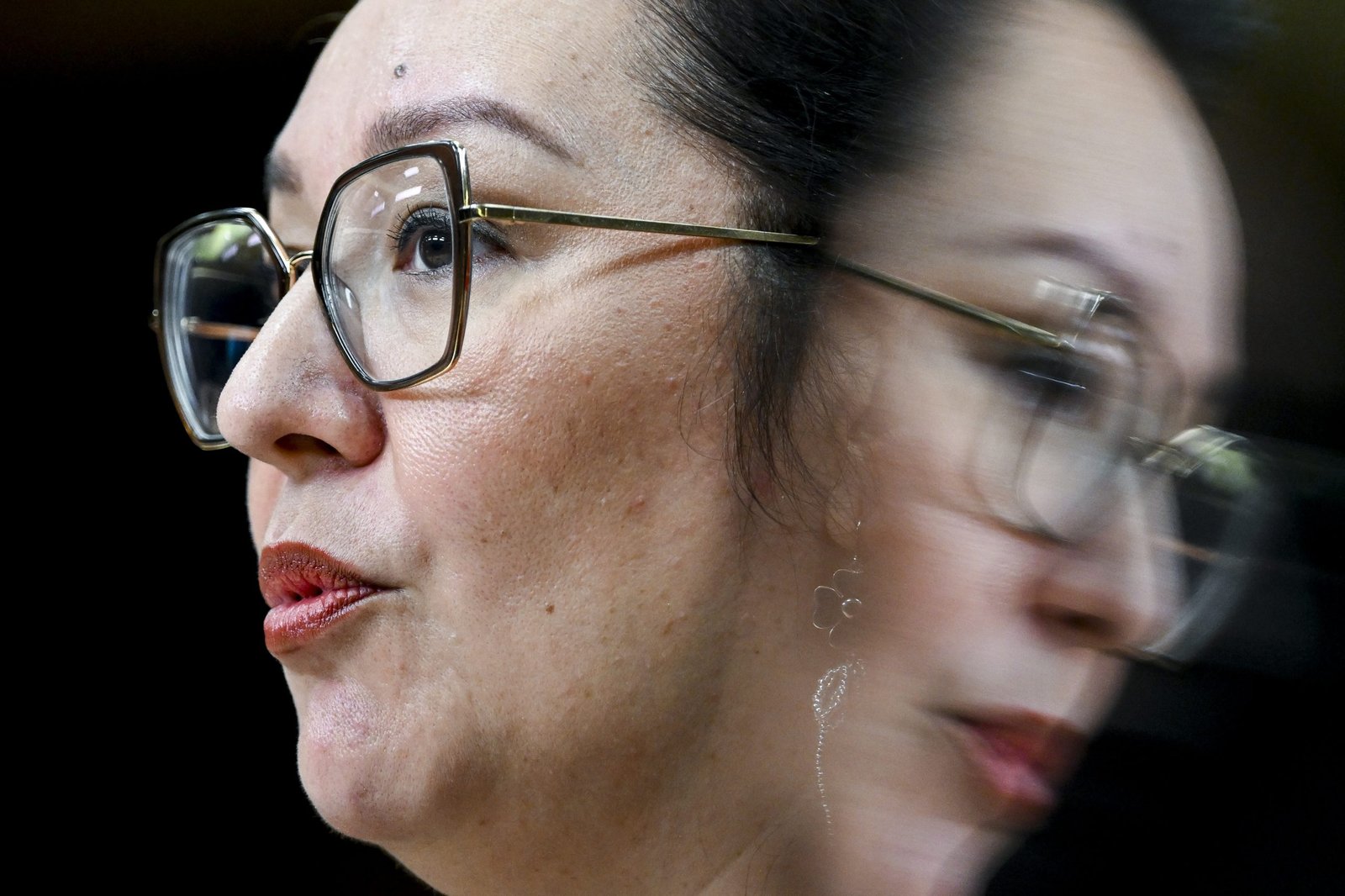
We’re starting off this newsletter with Indigenous Service Minister Mandy Gull-Masty’s announcement on the First Nation’s clean water bill.
The federal government tabled the long awaited First Nations Clean Water Act on Tuesday, reviving a piece of legislation that died on paper when parliament prorogued last year.
The bill’s predecessor, Bill C-61, included a clause “recognizing and affirming that it is a human right of every individual on First Nations land to have access to clean and safe drinking water.”
The version tabled by the Carney government drops the explicit mention of rights, and instead promises to advance “the progressive realization of the internationally recognized human right to safe drinking water on First Nation lands.”
The new bill would establish legally enforceable protections for safe drinking water on First Nation lands, with the stated goal of bringing service levels in line with those in non-Indigenous communities.
Asked to explain why explicit reference to access as a human right was dropped, Indigenous Services Minister Mandy Gull-Masty said it was about presenting a bill that could withstand the test of time.
Aya Dufour has more.

The federal government is not appealing a court decision that denied their request for more time to pass legislation restoring status to descendants of enfranchised First Nations.
That means the so-called Nicholas ruling will go into effect, though it will only apply to those with “sufficient ties” to B.C. — at least as it stands now.
Ryan Beaton, a partner at Juristes Power Law and the lawyer representing the plaintiffs in the case, said on Tuesday the government opted against appealing a decision from May that denied a six-month extension to pass legislation that would apply the Nicholas ruling nationwide.
In a statement to iPolitics, the office of Indigenous Services Minister Mandy Gull-Masty confirmed that the government doesn’t intend to appeal the court’s decision.
It added that the department has “made the necessary preparations to begin processing Indian status applications for affected individuals who reside in British Columbia or are members of First Nations located in British Columbia on June 13, the day the court’s decision takes effect.”
Marco Vigliotti has more.
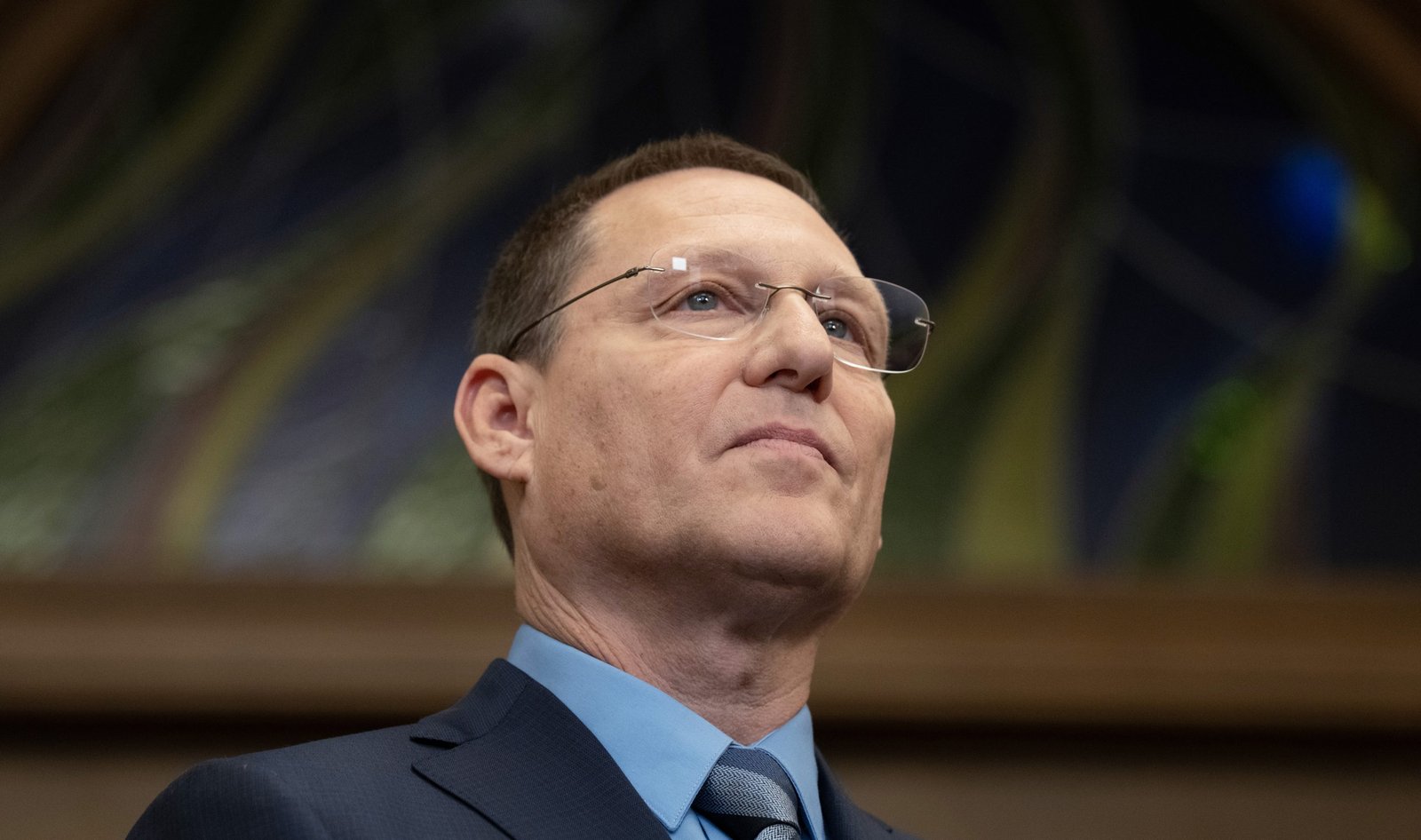
The Liberal government’s rewrite of Canada’s bail laws has received royal assent.
Bill C-14 became law on Monday night — during the final week of the spring sitting — after months of debate in the Senate.
The Liberals had hoped it would pass earlier in the sitting, noting it was backed by premiers, police chiefs and even the opposition Conservatives.
Justice Minister Sean Fraser told reporters on Parliament Hill on Tuesday the bill was developed in cooperation with the provinces, and Ottawa would provide “direct financial support” to those other orders of government to collect data on the impact of the changes.
“By continuing the spirit of collaboration, we’re going to be able to build a safer country. We’ve taken a major step forward last night and the reason we were able to do it is because we’ve done it together,” he said.
Vigliotti’s got this one too.

Prime Minister Mark Carney announced new sanctions on Russia during a meeting with Ukrainian President Volodymyr Zelenskyy at the G7 summit in France on Tuesday.
After a working session on building peace in Ukraine, the prime minister announced Canada is imposing new sanctions on 162 individuals, entities and vessels tied to Russia’s war on Ukraine.
The meeting with Zelenskyy was one of at least five bilateral meetings Carney has scheduled for Tuesday. He’ll also sit down with the leaders of the United Arab Emirates, India and South Korea.
After a meeting with Italian Prime Minister Giorgia Meloni, the two leaders announced Canada and Italy have entered talks on a purchase of M-346 advanced jet trainer aircraft. It’s not clear how many jets Canada is looking to buy.
The first full day of the 2026 leaders’ summit also includes discussions on conflicts in the Middle East and a drop in foreign aid funding that is forcing the world to rethink how it handles international development.
The Canadian Press has more.
In Other Headlines
Internationally
Elsewhere, Iran’s top diplomat has said a peace deal with the US would require Israel to withdraw from Lebanon, as concern grows that Israel could undermine diplomatic efforts to finally end the Middle East war, with Donald Trump even criticising his ally and war partner as irresponsible.
“Without the withdrawal of Israeli forces from the territories they occupied during this war, the war has not fully come to an end,” said the Iranian foreign minister, Abbas Araghchi.
A Hezbollah media relations official also said the group had received assurances from Iran that it would demand a withdrawal of Israeli troops from Lebanon in its next phase of talks with the US.
The comments came as Donald Trump, speaking at the G7 leaders summit in Geneva, rounded on the Israeli prime minister, Benjamin Netanyahu, saying he had to behave “more responsibly in Lebanon”, adding that a recent Israeli bombing attack on Beirut was “vicious”.
The Guardian has more.
Two of the U.S. Department of Education’s biggest responsibilities will shift to other federal agencies: safeguarding student civil rights and administering programs for students with disabilities.
The Trump administration said Tuesday it will move much of the Office of Special Education and Rehabilitative Services (OSERS) to the U.S. Department of Health and Human Services (HHS). OSERS manages programs that support students with disabilities, offering guidance and oversight to ensure states follow the landmark Individuals with Disabilities Education Act (IDEA), a law that guarantees disabled students access to an equitable public education.
The administration announced it would also move much of the Education Department’s Office for Civil Rights (OCR) to the U.S. Department of Justice (DOJ). OCR’s staff of civil rights lawyers are tasked with protecting students in K-12 schools and universities from discrimination based on disability, gender, race and national origin. OCR has been in tumult for months, targeted repeatedly by the Trump administration for staff cuts, then reversals of those cuts.
The moves to HHS and DOJ would further dismantle an agency that President Donald Trump has vowed to close, and it would leave the Education Department with a shrinking number of responsibilities.
Read more from NPR.
In Other International Headlines
The Kicker
Before we go, a quick note on the World Cup.
Canada’s Group B has earned the unofficial nickname as the “Group of Friends” online. It almost just makes sense that Canada, Switzerland, Qatar and Bosnia and Herzegovina are known as the friendly crew.
Anyways, Canada is set to face Qatar on Thursday. Until then, we can still enjoy all the internet memes.