dailynewsnblog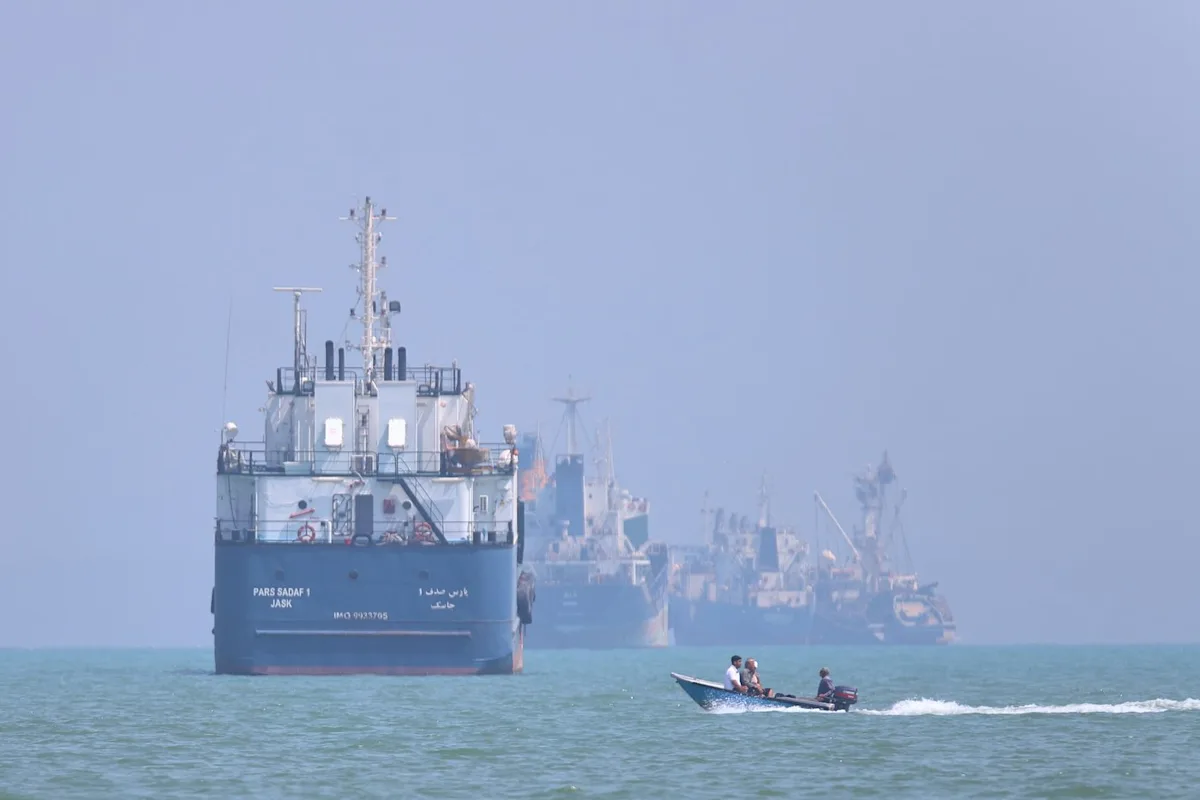
EVIAN-LES-BAINS, France (AP) — The naval mission for the Strait of Hormuz that U.S. allies are proposing as a follow-up to a deal to end the Iran war would aim to reassure crews and shipping insurers that vessels can safely navigate the narrow waterway again, by removing any explosive mines and potentially providing military escorts.
France and Britain have been working on the plans for months. French President Emmanuel Macron floated the idea back in March when the war was raging, saying warships could escort tankers and container ships through the maritime chokepoint when the conflict dies down.
U.S. President Donald Trump told Macron on Monday at the Group of Seven summit that he doesn’t see a need for “much help” because the strait is “going to be open” thanks to the tentative deal with Iran.
“But I don’t think it’s a bad idea to have a ship or two up here from a few countries. You’d be a great country to do it,” Trump told the French leader.
Here’s a closer look at the envisioned mission that U.S. allies are pitching to speed the return of oil and gas supplies:
US allies float it as a next step to the Iran deal
In a statement welcoming the framework deal that would extend the U.S.-Iran tentative ceasefire and lead to the reopening of the Strait of Hormuz, U.S. allies said they “are committed to playing our part” to urgently reopen the waterway “with unconditional and unrestricted freedom of navigation.”
The statement was issued by France, the United Kingdom, Germany, Japan and Italy, later joined by Canada — all members, with the United States, of the G7 club of nations.
They proposed “a strictly defensive and independent mission to reassure commercial shipping and conduct mine clearance operations.”
How they say it could work
France’s nuclear-powered aircraft carrier, the Charles de Gaulle, is already in the region. Macron dispatched it first to the eastern Mediterranean in early March and then onward through the Suez Canal to the Arabian Sea.
Other nations deployed in the region that could quickly help include the Netherlands, Italy and the U.K., Macron said.
The French leader told Trump that French fighter aircraft could take part in observation missions over the vital waterway as soon as Tuesday, followed “within 48 hours” by frigates “and within two to three days, the aircraft carrier.”
“Of course, all this supposes that it is desired and requested,” Macron said. “Perhaps it will not be wanted and perhaps it will not be necessary. But in any case, it reflects our willingness to help.”