dailynewsnblog
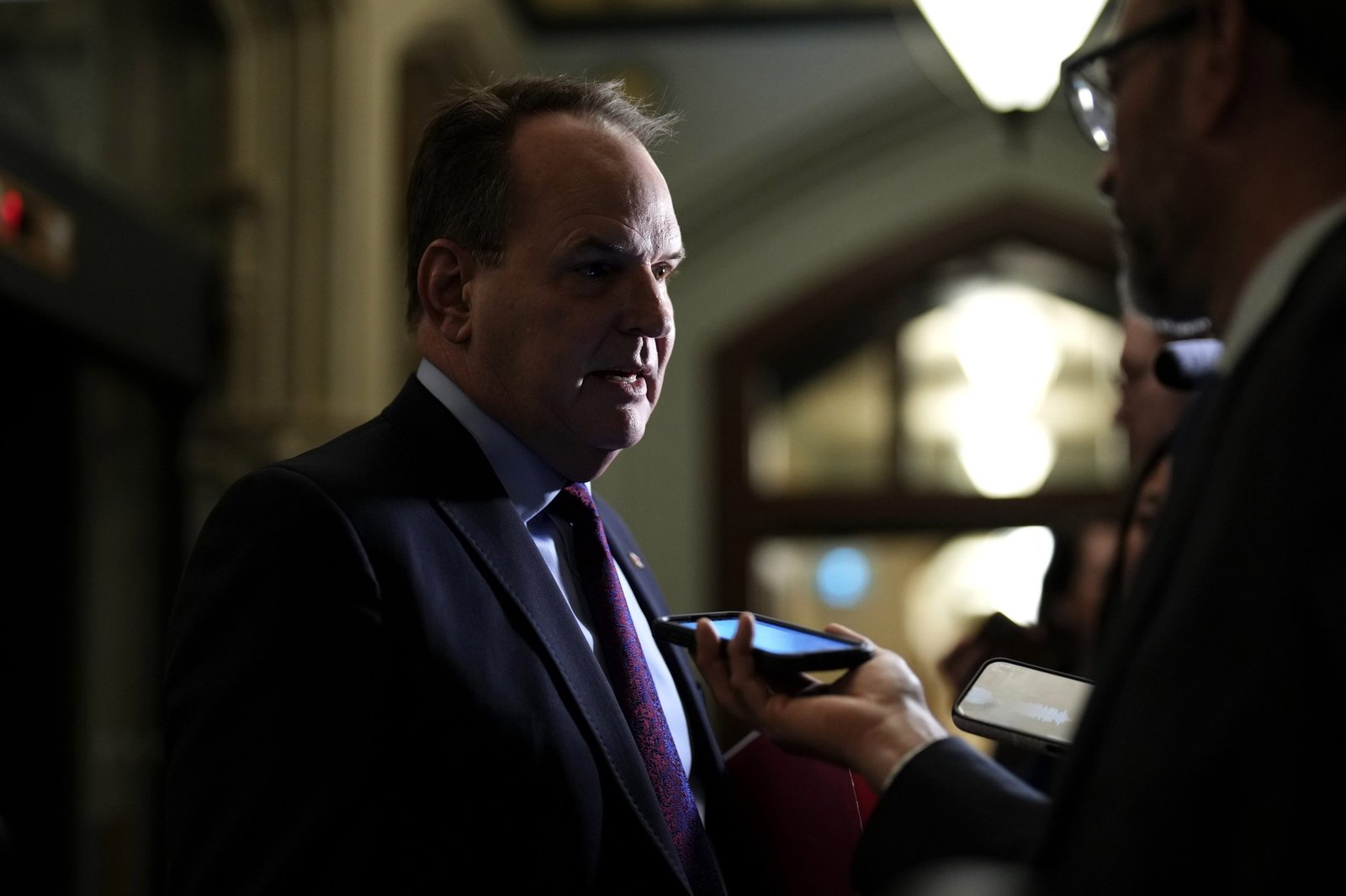
Artificial Intelligence and Digital Innovation Minister Evan Solomon says Bill C-36 would modernize privacy rules that have remained largely unchanged for 25 years and predate smartphones, AI and deepfakes.
Days before Parliament rises for the summer, Ottawa tabled legislation to overhaul Canada’s private-sector privacy regime, marking the third attempt to modernize the country’s consumer data laws.
Artificial Intelligence and Digital Innovation Minister Evan Solomon says Bill C-36 would modernize privacy rules that have remained largely unchanged for 25 years and predate smartphones, AI and deepfakes.
“Canadians will have a practical way to fight back against harmful deepfakes, they will have more power to require companies to delete personal information they should no longer hold,” Solomon said at a press conference on Monday.
READ MORE: Ottawa moves to restrict social media usage for children under 16
This bill is the latest piece of the government’s broader digital policy agenda. Last week, Ottawa introduced the Social Media Safety Act, which would create an independent Digital Safety Commission and restrict social media access for children under 16.
Earlier this month, the government unveiled its national AI strategy, dubbed “AI for All,” which aims to expand AI adoption and touted thousands of job creations.
The legislation marks Ottawa’s third time in reforming Personal Information Protection and Electronic Documents Act (PIPEDA), after previous efforts stalled under debates over AI regulation before ultimately dying when Parliament was prorogued.
Under the new bill, C-36 would replace the private-sector privacy provisions of PIPEDA with a new framework that gives Canadians greater control over how personal information is collected and shared.
The bill would create a “right to deletion,” require companies to treat children’s data as sensitive information and establish new transparency to address “surveillance pricing” — where companies use personal data such as browsing habits or location data to tailor prices for individual customers.
READ MORE: Federal AI strategy counts jobs created, but stays silent on ones lost
“Canada’s consumer privacy laws are 25 years old, they were written before the iPhone, it was a different time, before AI, before deep fakes and because so much of our lives… have been shaped by platforms, apps and digital services,” Solomon said.
Surveillance Pricing
One of the government’s headline promises is a crackdown on surveillance pricing, but the practice is neither explicitly defined nor prohibited in the legislation.
Rather than imposing an outright ban, Vass Bednar, managing director of the Canadian SHIELD, said the legislation appears to strengthen an “appropriate purposes” test that would allow regulators to determine when the use of personal information for pricing decisions becomes inappropriate.
During the press conference, Solomon called C-36 a “principle-based” bill that makes sure that the regulator can draft rules around surveillance pricing to stop improper use of information “if the harm outweighs the benefits.”
He pointed to loyalty programs and reward points as personalized pricing that many Canadians voluntarily participate to obtain discounts, as examples of personalized pricing that the government doesn’t want to inadvertently prohibit.
READ MORE: Personalized data pricing isn’t going away. Should Ottawa step up to ban it?
Bednar said the distinction creates a grey area, as loyalty programs are built on consumers exchanging personal information for rewards, making them an example of how data collection and personalized pricing are already intertwined in the marketplace.
“It’s really not clear how much personal information any firm needs in order to offer a discount, and the amount of information that firms can use now to kind of segment and profile us,” Bednar said in an interview with iPolitics.
The NDP, which has spent months calling for a ban on surveillance pricing, argued the legislation does not go far enough.
“The federal government has finally acknowledged the practice of surveillance pricing, months after the NDP raised the alarm and sparked a national conversation about it,” said NDP Leader Avi Lewis in a statement sent to iPolitics.
Lewis criticized the bill to explicitly prohibit the practice, arguing that it relies instead on future regulator action. He pointed to Manitoba’s practice, where Premier Wab Kinew made surveillance pricing illegal outright.
“We’ve put this issue on the table, and we’ll keep building public pressure on the government to act decisively: today’s bill does nothing definitive to protect Canadians from this very real threat,” Lewis said.
However, Solomon said additional guidance on surveillance pricing would be developed once the regulator is established.
While Bednar said she would have preferred a stronger position from Ottawa, she said the government’s willingness to publicly confront the issue marks a significant shift.
“This gets closer to acknowledging it,” Bednar said.
“We were not having this national conversation on surveillance pricing, so the conversation has advanced, the government is being responsive, it’s super powerful.”