dailynewsnblog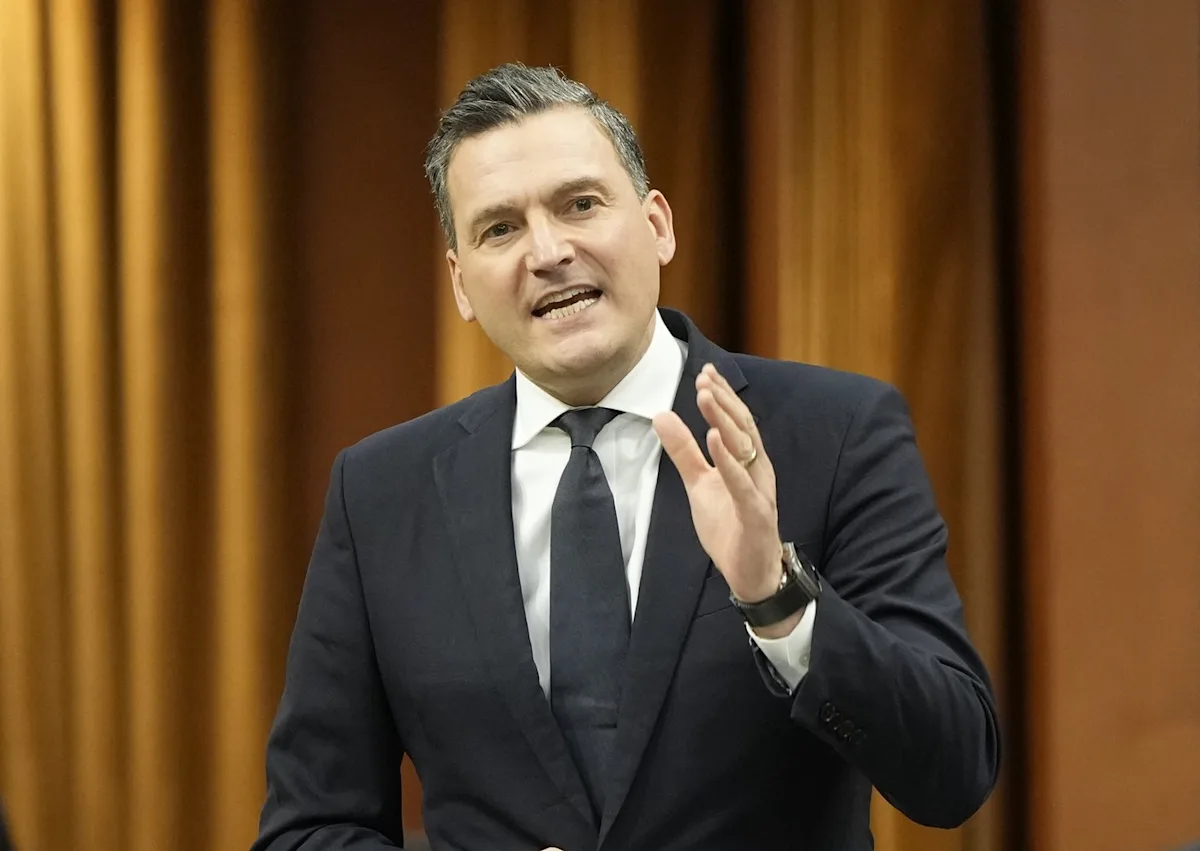

OTTAWA — Proposed federal legislation would recognize privacy as a fundamental right of all Canadians and set higher standards for organizations when they manage children’s data.
The Liberal government introduced a long-awaited bill Monday to update decades-old privacy laws covering the private sector.
Artificial Intelligence Minister Evan Solomon told reporters the bill would also give Canadians the right to deletion, including of deepfakes, and give the government a path towards addressing surveillance pricing.
“We’re living in a different world and our laws need to catch up,” Solomon told reporters on Parliament Hill.
The existing law was written before full-scale artificial intelligence, deceptive deepfakes, algorithmic decision-making and the widespread collection of children’s data online, the government noted in a press release.
The release said the legislation would protect Canadians’ personal data while giving businesses clearer rules to allow them to innovate responsibly and build trust in the digital economy.
The new measures would require meaningful consent for the use of personal information and plain-language explanations of how personal information is handled.
The legislation would also require organizations to be transparent about their use of automated decision-making for significant decisions about people.
Solomon said the bill will give Canadians “more power to require companies to delete personal information they should no longer hold. And they’ll have more control over the digital trail that companies build about them.”
The bill would be administered by a new regulator — the Digital Safety and Data Protection Commission of Canada — that would also be responsible for recently introduced digital safety provisions.
The government introduced Bill C-34, which would force social media platforms to block access for kids under 16 and regulate chatbots, last week.
Solomon said that together, the two bills send a message that “companies that operate in Canada must take responsibility for the risk their service is creating, especially when children are involved.”
That regulator will be able to issue binding orders to organizations and levy fines, which can go up to $25 million or five per cent of global revenue for the most serious offences.
Those are powers the federal privacy commissioner has been asking for for years, including as recently as last week. But under the new legislation, responsibility for the private sector, including tech companies, would go to the new regulator. The privacy commissioner will only be responsible for the Privacy Act, which covers government.