dailynewsnblog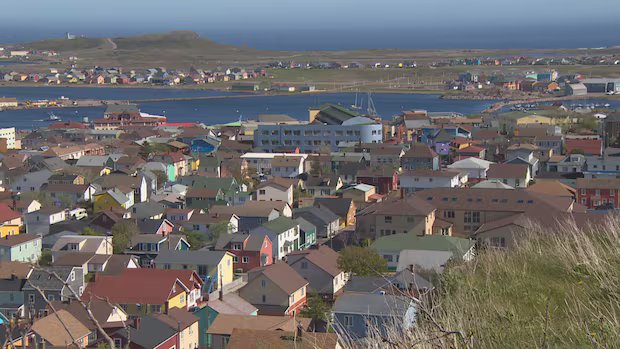

Listen to this article
Estimated 3 minutes
The audio version of this article is generated by AI-based technology. Mispronunciations can occur. We are working with our partners to continually review and improve the results.
The federal government says it is cracking down on what it calls a “low volume” of asylum claims made by foreigners arriving in Newfoundland and Labrador from a nearby territory of France.
St-Pierre-Miquelon, an archipelago 19 kilometres off the coast of Newfoundland, is served by frequent ferry service.
On June 4, Immigration, Refugees and Citizenship Canada announced it would start requiring those arriving from the territory by boat to have an electronic travel authorization, a $7 permit required mostly for people flying to Canada.
The department wrote in an email that it has “noticed an emerging trend of ineligible asylum claimants using this route” but added the numbers are too small to publicly disclose for privacy reasons.
“Canadian officials observed that some foreign nationals who would otherwise require an electronic travel authorization (eTA) to travel to Canada were attempting to bypass Canada’s immigration and border screening processes, by travelling first to Saint-Pierre-et-Miquelon and then seeking entry to Canada by boat,” wrote department spokesman Anahita Beladi.
Her department would not specify how many claimants were arriving at Fortune, N.L., where a commercial ferry links Canada with the French territory.
“Data on asylum claims specifically related to movement from Saint-Pierre-et-Miquelon is not available for public release, as the low volume of cases could result in the identification of individuals,” Beladi wrote.
“To protect ongoing border security and enforcement efforts, we can’t provide additional details about the people involved or their nationalities.”
The eTA is a permit is a pre-screening tool Ottawa uses to prevent criminals, people with active tuberculosis and some asylum claimants from reaching a border guard. Those who do get an eTA can board flights to Canada and be interviewed on arrival by the Canada Border Services Agency.
Canadians, permanent residents and Americans never need an eTA, and IRCC is exempting French citizens living on the archipelago, as well seafarers, fishers and cruise ship passengers.
The department says roughly 6,000 visa-exempt foreign nationals take the ferry between the territory and Fortune, N.L., each year.
Download our free CBC News app to sign up for push alerts for CBC Newfoundland and Labrador. Sign up for our daily headlines newsletter here. Click here to visit our landing page.