dailynewsnblog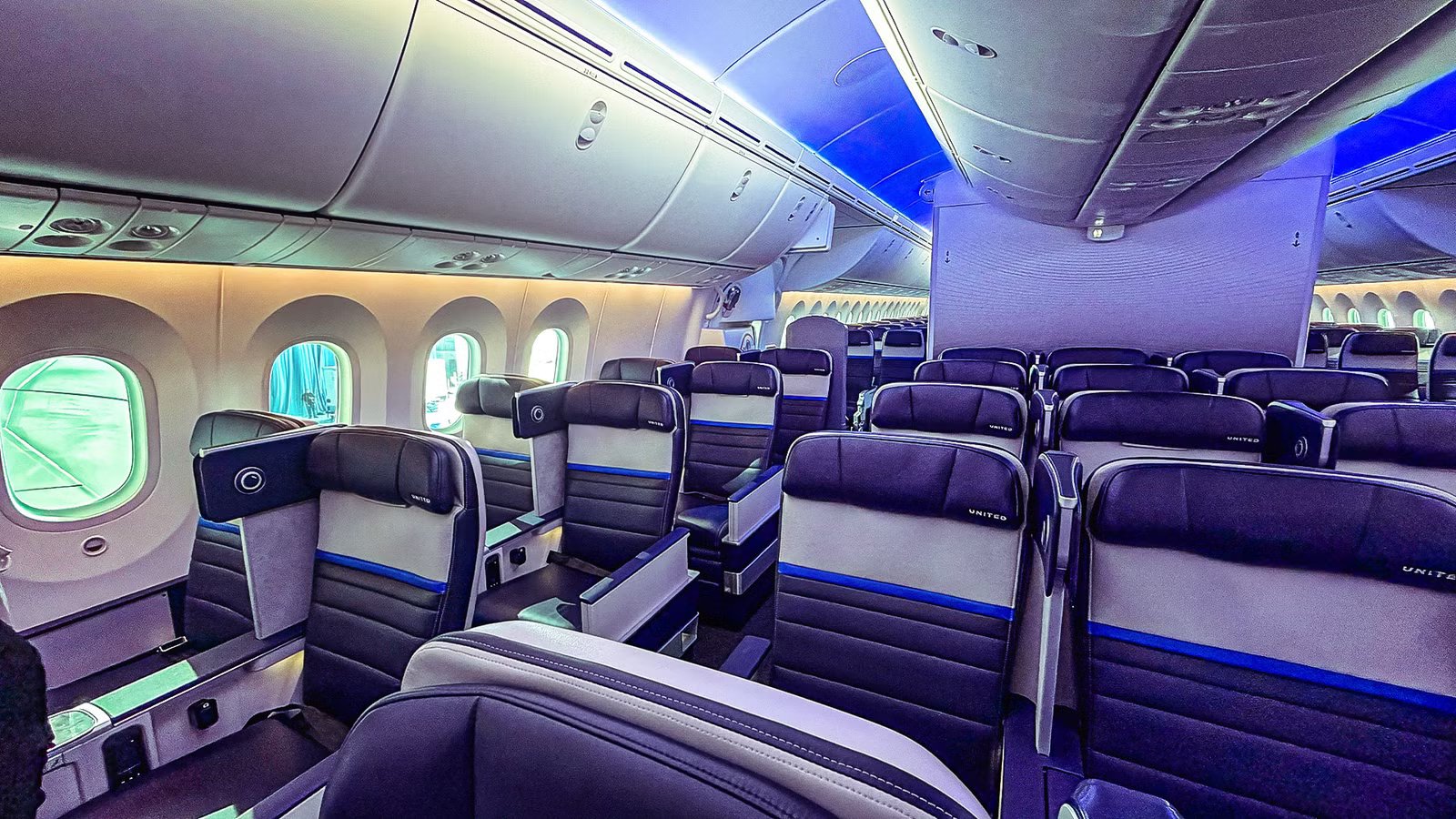
For many travelers, an upgrade feels mysterious. One passenger gets moved to a better seat while another remains in economy, even though both have airline status, travel frequently, or arrive at the gate early. The result is a long list of myths about how airlines choose who gets upgraded, with many passengers convinced that a friendly conversation with a gate agent or a smart outfit can make the difference. But the algorithm behind the upgrade is much more complex.
The reality is usually far less personal and far more data-driven. Airlines use sophisticated ranking systems that weigh factors such as ticket type, loyalty status, upgrade instruments, spending habits, and even credit-card activity. While the exact formulas vary by carrier, major US airlines such as  United Airlines and
  American Airlines have published enough details for frequent flyers to understand how the process really works. Here’s a closer look at five things most passengers never realize about how airlines decide who gets a premium economy or even business-class upgrade and why.
5
Credit Card Spending Can Matter As Much As Flying
Loyalty Programs Reward Spending Beyond The Aircraft Cabin

Many travelers assume that upgrades are determined entirely by how often they fly. However, airlines increasingly reward customers based on total spending, whether that spending occurs in the air or on the ground. Sometimes it means that one expensive long-haul flight will beat many cheap short-haul hops in the final decision for an upgrade. American Airlines is one of the clearest examples of this trend.
Within American’s elite-upgrade hierarchy, status remains important, but it is not the only factor. The carrier uses Loyalty Points as a major tiebreaker when comparing passengers within the same elite tier. According to American’s published upgrade policies and industry analyses, passengers who have earned more Loyalty Points in the previous 12 months may receive higher priority than those with fewer points, even if both hold the same elite status level.
That means a customer who spends heavily on an AAdvantage co-branded credit card may outrank another traveler who flies more frequently but accumulates fewer Loyalty Points overall. In other words, airline loyalty programs increasingly measure customer value through total engagement rather than simply miles flown. American outlines these upgrade priorities on its official upgrades page, while analysis from NerdWallet and One Mile At A Time explains how Loyalty Points influence upgrade rankings.
4
Your Fare Class Quietly Shapes Your Chances
The hidden letter on your ticket matters more than most travelers think

While booking tickets with your friends, you might notice that sometimes the ticket price isn’t the same for everyone, and various factors drive price differences for passengers booking the same flights and class. This is because airlines use dynamic pricing and revenue management systems, so two passengers can pay different amounts for the same fare class. Ticket prices constantly change based on demand, booking date, remaining seat inventory, route competition, and predicted sales. A passenger who books earlier, or during a fare sale, may pay significantly less than someone purchasing the same fare class later. All these hidden processes may affect your chances of an upgrade later. Airlines track those differences through fare classes that you’re assigned during booking, represented by letter codes that most travelers never notice during booking.
Catch what other flight trackers miss
Emergency squawks, holds, NOTAMs — live signals, no signup.
Open tracker
Catch what other flight trackers miss
Emergency squawks, holds, NOTAMs — live signals, no signup.
Open tracker
On United, fare class becomes a critical tiebreaker when travelers share the same elite status and upgrade category. According to published United upgrade guidance, economy upgrade priority generally follows the hierarchy of Y, B, M, E, U, H, Q, V, W, S, T, L, K, and finally G fares. A passenger booked in a higher fare class, therefore, receives priority over someone who purchased a more deeply discounted ticket.
United Airlines Economy Fare-Class Upgrade Priority
Priority Rank | Fare Class |
1 | Y |
2 | B |
3 | M |
4 | E |
5 | U |
6 | H |
7 | Q |
8 | V |
9 | W |
10 | S |
11 | T |
12 | L |
13 | K |
14 | G |
While many travelers celebrate finding the lowest fare available, that discount can become costly when upgrades are processed. A full-fare Y ticket may cost considerably more upfront, but it often enjoys substantially better upgrade priority than a deeply discounted fare.
But why do airlines reward higher fares? From the airline’s perspective, prioritizing higher fares is logical. The carrier wants to reward passengers who generate more revenue on a particular flight. The result is that two travelers with identical status levels can experience very different outcomes simply because one purchased a more expensive fare. Upgrade algorithms are designed to recognize that difference automatically.
The lesson is clear, as in the old saying “buy nice or buy twice”: the cheapest ticket may save money during booking, but it can significantly reduce upgrade prospects later in the journey. Or you’ll simply have to pay from your pocket to get an upgrade.

5 Things Passengers Don’t Know About How Airlines Assign Business Class Upgrades
Here’s the reason why most people will never receive a free business class upgrade.
3
Premium Economy Occupies Its Own Upgrade Ladder
It can be a strategic move toward business class

Many travelers view premium economy as simply a more comfortable version of economy class. In reality, airlines often treat it as a distinct cabin with its own place in the upgrade hierarchy, sometimes closer to business class than to standard economy.
United Airlines’ Premium Plus product provides a clear example. According to published upgrade guidance, passengers already seated in Premium Plus generally receive upgrade consideration before travelers booked in standard economy cabins. Premium Plus fare classes such as O, A, and R are seated ahead of economy passengers when upgrades to Polaris business class become available.
This means premium economy offers much more than just a better seat. It serves as a stepping stone to the next cabin. For frequent travelers chasing premium-cabin upgrades, purchasing premium economy can therefore be a calculated strategy. The higher initial fare may improve comfort immediately while also increasing the odds of moving up to business class later.
Airlines structure these priorities because premium economy customers have already demonstrated a willingness to pay more than standard economy passengers. As a result, they often receive preferential treatment when limited upgrade inventory becomes available.
2
Paying For An Upgrade Often Beats Elite Status
Upgrade frequently jump ahead of complimentary requests

Elite status remains valuable, but many travelers overestimate its power. One of the most misunderstood realities of airline upgrades is that passengers using miles, upgrade certificates, or other paid upgrade instruments often receive priority ahead of travelers waiting for complimentary upgrades.
United Airlines provides a good illustration of this principle. According to The Points Guy and Upgraded Points, travelers redeeming PlusPoints or mileage upgrades generally receive priority before those relying solely on complimentary elite upgrades. This creates situations in which a mid-tier elite member can leapfrog a higher-status traveler simply because they used miles or PlusPoints to request an upgrade.
From the airline’s perspective, this approach makes sense. The carrier receives additional value when a customer redeems miles, applies upgrade certificates, or otherwise commits resources toward an upgraded seat. For passengers, it means the following: status matters, but willingness to spend points or upgrade instruments can matter even more. Many flyers who assume they are near the top of the list discover that numerous paid upgrade requests are ahead of them.
The Cost Of Flying Premium Economy In 2026 Compared To Economy
The hidden truth about premium economy.
1
The Computer Usually Decides Long Before You Reach The Gate
Algorithms build the upgrade list, not agent discretion

Perhaps the biggest misconception in commercial aviation is the belief that gate agents personally choose who receives upgrades. While agents certainly manage last-minute seat assignments, most upgrade decisions are made by automated systems, including AI-driven programs, such as Sabre Upgrade IQ™, long before boarding begins.
Airline reservation systems continuously evaluate passengers based on status, fare class, upgrade type, spending history, and numerous additional factors. Those systems automatically process upgrades as seats become available and rank travelers according to established priority rules.
Industry analyses of United’s upgrade process note that automated clearing typically handles most upgrades until relatively close to departure. Only in the final hours before a flight do gate agents begin managing the remaining list directly.
Many passengers, therefore, place far too much emphasis on charm, appearance, or personal interactions at the airport. A polite conversation is always appreciated, but it rarely changes an upgrade queue that was generated by sophisticated algorithms days or even weeks earlier, sometimes even during the booking process.
Major Factors Airlines Commonly Use When Ranking Upgrade Requests
Factor | Why It Matters |
Upgrade Type | Paid, mileage, or certificate upgrades often rank highest |
Elite Status | Rewards frequent and valuable customers |
Fare Class | Higher-priced tickets receive better priority |
Loyalty Program Spend | Reflects overall customer value |
Request Timing | Earlier requests can break ties |
Cabin Purchased | Premium economy may rank ahead of economy |
The modern upgrade process is fundamentally a data exercise. Airlines increasingly use automated systems to determine which passengers provide the greatest value and should therefore receive the next available premium seat.
Airline upgrades are far less mysterious than many travelers think. Behind every upgrade list sits a carefully designed algorithm that evaluates revenue, loyalty, spending, fare type, and upgrade instruments. Although elite status still matters, it is only one piece of a much larger puzzle.
Passengers who understand these rules gain a significant advantage. Buying premium economy instead of standard economy, using upgrade certificates, purchasing higher fare classes, or building Loyalty Points through credit-card spending can all influence upgrade outcomes more than many travelers realize. The next time an upgrade clears, or doesn’t, the answer probably isn’t luck. It’s mathematics, data, and a ranking system that began working long before anyone arrived at the airport.