dailynewsnblog
If it feels like books are a luxury right now, here are some tips on finding some free ones.
We may receive a commission on purchases made from links.
If my personal experience is any indicator, excessive book buying should soon make its way into the DSM-5. As it’s one of the few hobbies that your mother, pastor, and childhood school principal would all endorse, feeding your reading habit might be the only financially crippling addiction with a universal approval rating. Lucky for devotees of ereaders, Kindle offers over 60,000 free ebooks at any given time. Despite this abundance, however, most users have difficulty turning their Kindle into a personal Library of Alexandria without breaking the bank.
This is where I, your friendly neighborhood book curator, come into play. As a book snob whose financial habits are notoriously Scroogian, I’ve spent an embarrassing amount of time curating my Kindle Paperwhite’s shelves. Think of me as a (nice) Ghost of Free Books Past, shepherding you through the haunted realms of missed deals and helping you dodge unnecessary Kindle Unlimited subscriptions. By harnessing Amazon’s curated free book lists, subscriber programs, Stuff Your Kindle events, your local library and online repositories, bibliophiles can cram their ereaders with as many pages as their Kindle can hold.
Scavenging for free books

On any given day, tens of thousands of free books are available to download on the Kindle store. Unfortunately, Amazon declines to offer a complete list of free ebooks, instead transforming the practice of finding book deals into a dark art. Even Amazon’s “Free Kindle Books” section shows only a fraction of those available on the site. A simple but flawed workaround is to search “Kindle free books” on Amazon’s store and sort the results by price. Adding specifiers like genre can further narrow the list, but overall, it’s an unwieldy system.
An easier means of finding free ebooks is to consult Amazon’s Top 100 Best Sellers lists. Updated hourly, the section highlights the most downloaded free ebooks on Amazon’s website at any given time. What most readers don’t realize, however, is that they can filter these lists to fit their personal tastes using the sidebar, perusing bestsellers in disparate categories like occult horror and horticulture.
Amazon Prime subscribers can also take advantage of the conglomerate’s special book programs. Amazon First Reads, for instance, gives subscribers early access to two Amazon editors’ picks every month. There’s also Prime Reading, which allows members to borrow up to 10 books at a time. Included with your Prime subscription, Prime Reading gives subscribers the ability to choose from over a thousand books, magazines and comics. Although offering a smaller selection than Kindle Unlimited, Prime Reading loans are not restricted to 90-day chunks, allowing subscribers to borrow up to ten books at a time without a firm return date. And for those like George Costanza who hate the sounds of their own voice in their heads, some Prime Reading books even include Audible narration.
Stuff Your Kindle days
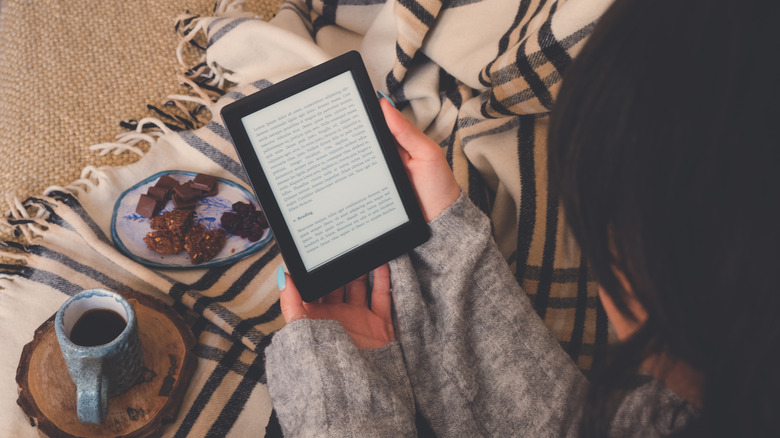
Another avenue to maximizing your Kindle is to take advantage of Stuff Your Kindle Days. A promotional craze that began in the romance genre and has taken the ebook publishing world by storm, Stuff Your Kindle Days are community events in which authors make their ebooks free for a limited time. Often organized by groups like the Indie Author Collective and BookBub, the events typically highlight new writers and independent presses across your favorite genres. For most readers, Stuff Your Kindle Days are a risk-free literary tasting platter, where you can sample titles by new authors or check out genres outside the typical algorithm-curated fare without having to spend money.
Unfortunately, searching for a relevant Stuff Your Kindle Day can feel like scavenging the web for an underground warehouse party. By the time you find them, all the best ones have already passed you by. Luckily, websites like BookBelow and the aforementioned BookBub maintain comprehensive calendars. BookTok and genre-specific social media groups can be also help surface upcoming events, so your best bet might be to follow the most relevant ones.
Online libraries
One of my favorite Kindle hacks is OverDrive’s Libby app, which allows readers to borrow ebooks for free from their local library. Getting started is extremely easy: all you need is a library card. The only catch is that the books you borrow only last for as long as a typical library hold. So if you plan on reading Victor Hugo’s gargantuan masterpiece Les Miserables, do so when you have enough time to follow Jean Valjean through Paris’ sewer system. Fans of audiobooks will be glad to hear that they can borrow free narrations from Libby’s mobile app, helping cut down on those expensive Audible subscriptions. Pro tip: If you have multiple library cards (like my colleague Cherlynn Low who has added both her Singapore and New Jersey libraries to Libby), the app is great at finding available titles across various catalogs.
Another fantastic resource is Project Gutenberg, a free open-source platform where visitors can populate their Kindles with over 75,000 ebooks. Founded by the inventor of the ebook, Michael Hart, the project was built by thousands of volunteers who meticulously digitized and proofread its vast collection for your enjoyment. Focusing on classics whose American copyrights have expired, Project Gutenberg may be the closest thing we have to a free, open source repository of world literature.
For readers who continue to believe that the best reading material are those that have withstood the brutal tests of time, it is an indelible treasure. Visitors can search for specific titles and peruse the online library’s well organized shelves. Once you’ve found your desired book, you can download it directly to your Kindle via its “Send-to-Kindle” feature. For those looking to ditch their Kindle for a non-Amazon alternative, Project Gutenberg provides a variety of ebook formats and download options.