dailynewsnblog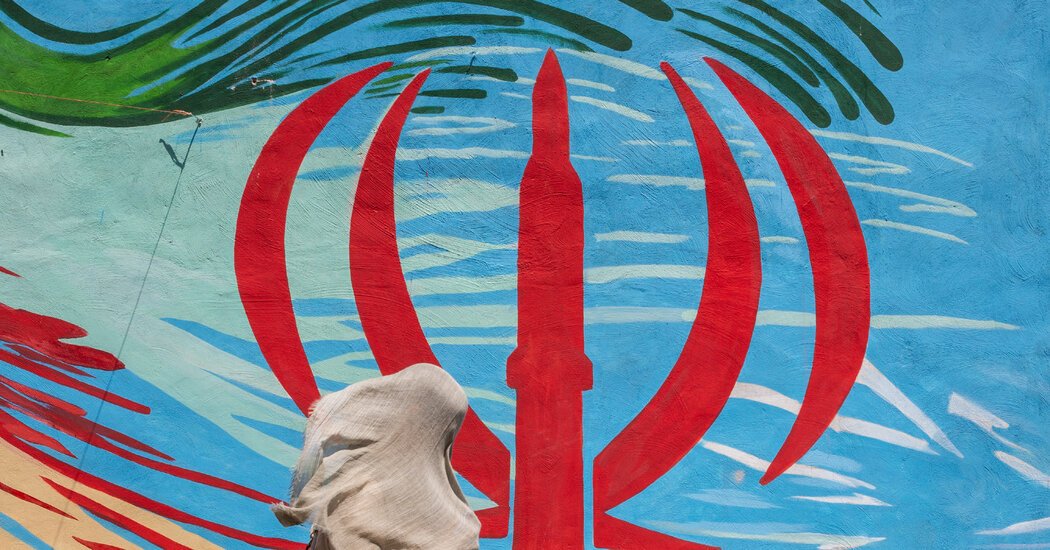


As speculation swirls about the emerging Iran deal, here’s what we know.
With a draft deal between the United States and Iran now on the table, speculation has been swirling about exactly what is in the agreement.
President Trump insisted on Friday that reports circulating about details of the proposed deal were incorrect. In a post on social media, he said the terms “Iran leaked” to the media “have NOTHING to do with the terms that were agreed to, in writing.”
There were conflicting accounts of the deal in Iranian media, with one hard-line news outlet reporting terms more favorable to Iran and the state news agency providing a more measured description. On Friday, Iran’s foreign minister, Abbas Araghchi, said that a deal “has never been closer,” but added that “the media should refrain from entering speculation about its content.”
Much about the emerging deal remains murky, with both sides keen to frame it as a victory. What is known is that a “memorandum of understanding” between the two sides is under discussion.
Two Iranian officials and one regional official briefed on the terms of the agreement said that the United States and Iran had agreed to a preliminary deal that would end the fighting, reopen the Strait of Hormuz and lift the U.S. naval blockade on Iran. They said the deal would pave the way for further talks on the country’s nuclear program.
The agreement is similar to previous iterations of a deal that have emerged in recent weeks of stop-start negotiations, the three officials said, but added there have been some changes to the wording.
The United States, Iran and Israel have been at war since late February, and although a cease-fire was agreed to in April, there have been persistent flare-ups of fighting. Israeli officials have expressed concern about the agreement, saying they feared Iran would avoid making concessions on its nuclear program in the next round of talks.
The regional official was optimistic that the deal could be finalized but cautioned that last-minute spoilers could lead to its collapse.
Here is what we know from the three officials about the deal. The United States has not confirmed these details.
Under the terms of the framework, Iran and the United States would start negotiations on Iran’s nuclear program. The negotiations should last a maximum of 60 days and the war would stop on all fronts, including Lebanon, for that period. It is unclear what would happen after the 60 days if a comprehensive deal is not reached.
Iran would open the Strait of Hormuz for the passage of ships and the United States would lift the naval blockade on Iran’s ports in the Persian Gulf.
During the 60-day negotiation period, Iran and countries in the region would discuss the future management of the strait, the three officials said. Last month, it emerged that Oman had discussed partnering with Iran to charge service fees for ships to pass through the strait, ignoring Trump administration warnings against such a plan.
If the agreement is finalized, a signing ceremony was expected to take place in the coming days in Geneva, Switzerland. Negotiators from the United States and Iran met there for talks in February before the war began.
Vice President JD Vance is supposed to lead the U.S. delegation, according to the regional official. Mr. Trump said on Thursday that he would send Mr. Vance to sign the agreement if it was finalized. Gen. Mohammad Bagher Ghalibaf, Iran’s top negotiator and the speaker of parliament, was expected to lead the Iranian delegation, all three officials said.
In the memorandum, Iran would reiterate its commitment to not develop or acquire a nuclear weapon, the officials said. The agreement does not resolve the question of Iran’s stockpile of highly enriched uranium, or the future of its nuclear program, and leaves those issues to later negotiations, according to the three officials.
The two Iranian officials said the next phase of talks would include discussion of the lifting of American sanctions, including on Iran’s oil sales and international banking transactions, in exchange for concessions on the Iranian nuclear program.