dailynewsnblog

My last post on this site was about boundaries. About how the GDP-based growth model that’s driven global development for the last 200 years is now obsolete. To achieve success in the future we must recognize that we live on a finite planet and must live within its boundaries.
But how is the question. How do we build an equitable and habitable world within those boundaries. The World Inequality Lab (WIL) has issued a report on its Global Justice Project in an attempt to answer just that question.
The WIL is a global research centre focused on the study of inequality and public policies that promote social, economic and environmental justice. Based primarily at the Paris School of Economics and the University of Berkeley, California, it is composed of about forty people including research fellows and assistants that work in close coordination with over 200 researchers based in institutions around the world.
The lab created the Global Justice Project to provide a platform to stimulate research, policymaking, and citizen engagement to shape a fairer, more democratic and sustainable 21st century. The goals were scenarios that would achieve greater equality between nations and align the use of global resources with ecological boundaries. The project recently released a report entitled Global Justice Report: A Plan for Equality & Prosperity Within Planetary Boundaries.
The plan the report lays out is comprehensive and revolutionary. It calls for rapid decarbonization of energy systems, a major shift toward sufficiency (meaning a sharp reduction in labour hours and large changes in consumption patterns) and a drastic reduction in inequality of income, wealth and power.
Its utopian nature offers both optimism and pessimism. Optimism because it suggests that it is physically possible for the overwhelming majority of people on the planet to be living well and sustainably by the end of the century.
Pessimism because it requires measures such as radical reforms of global financial institutions and massive wealth taxes that are highly unlikely to be palatable, particularly in the rich countries. And new concepts of “sufficiency” would have to be adopted much different than simple GDP, concepts of living a healthy life without constant striving for more material possessions. The report may be more an exercise in human idealism and imagination than in human possibility.
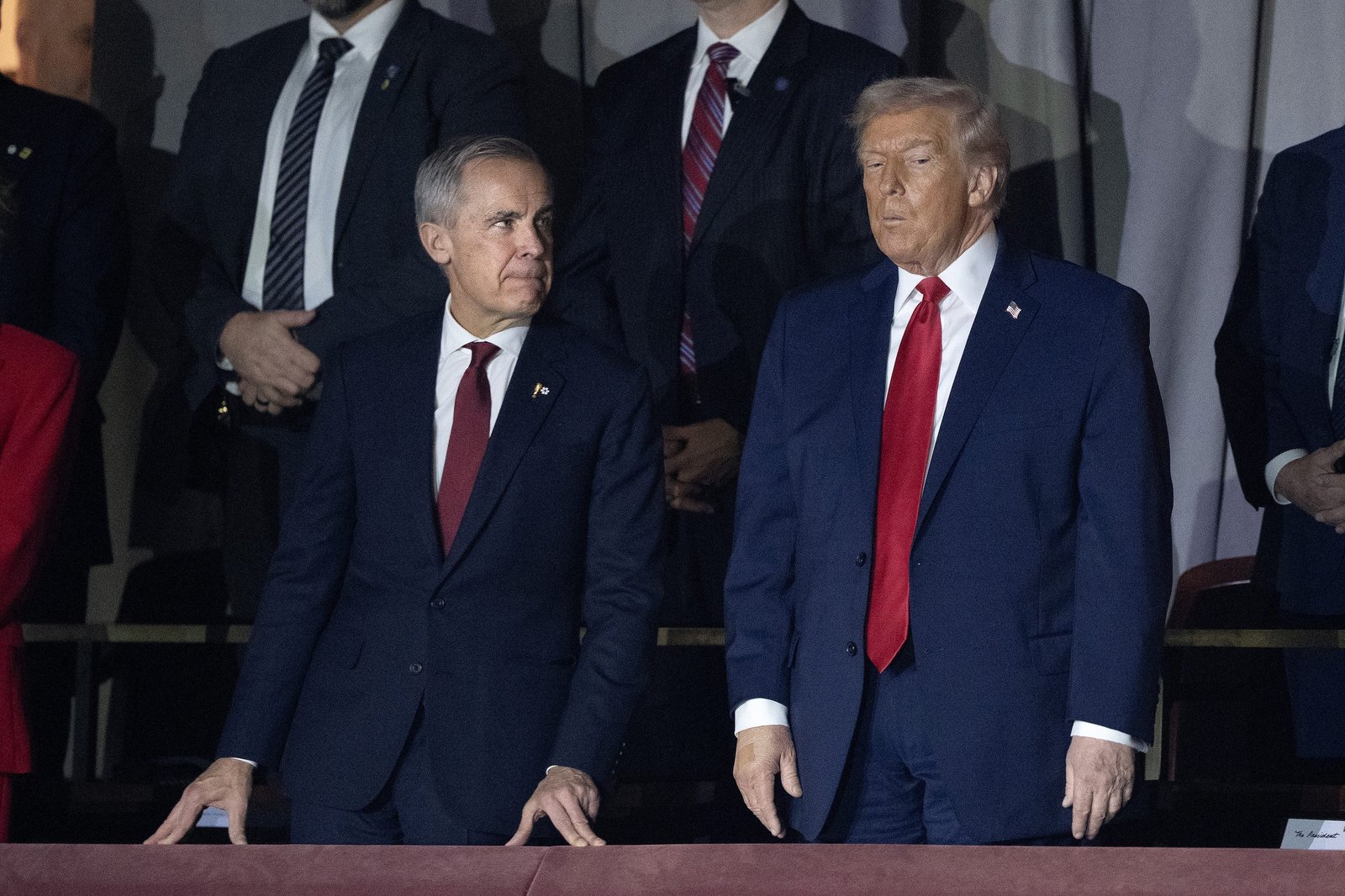
Certainly world leaders seem to be moving away from creating a fair and sustainable world. Trump’s America, the most important nation in the mix, is all about more fossil fuels and fewer renewables. Even our leadership under Mr. Carney, from whom many of us expected so much on climate change, has been moving away from green legislation and toward “big projects” with less environmental review, including pipelines.
Nonetheless, the crisis is getting serious attention from serious people doing serious work and writing serious reports. Maybe at some point it will all start to sink in, and even the most benighted politicians and corporate leaders will start responding to the reality that we are raping the planet.
As Thomas Piketty, French economist and one of the coordinators of the report, observed, “… big change will happen in any case … We are not in a situation where things can just continue as they are forever.” Indeed.
Personally, in the spirit of the Global Justice Project and despite the prevailing political apathy, I will remain optimistic.