dailynewsnblog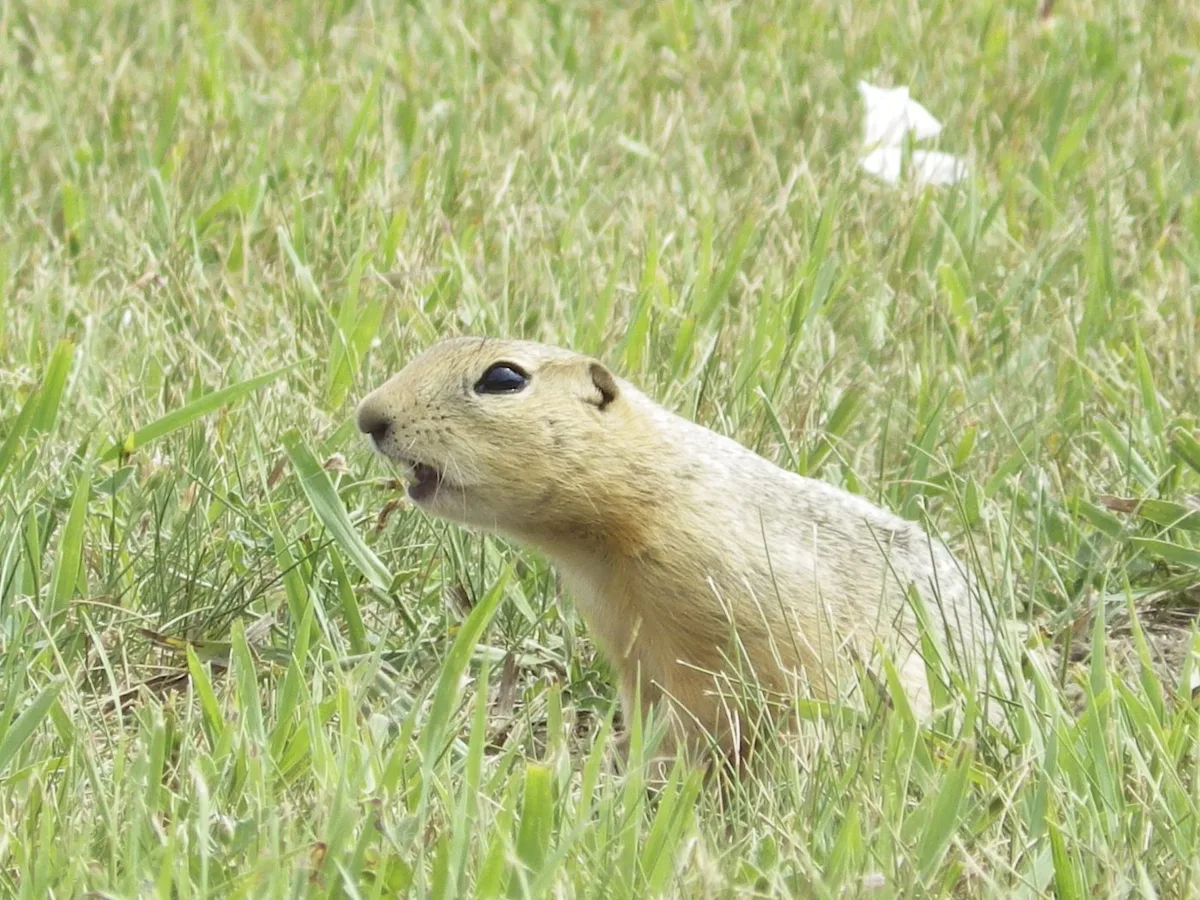

The first window of time for farmers in Alberta and Saskatchewan to obtain strychnine to deal with burgeoning ground squirrel populations is about to run out, and many producers are now hoping for better luck next spring.
Wade Nelson, who farms near High River, Alta., about 66 kilometres south of Calgary, said it’s best to deal with the rodents when they come out of hibernation and begin mating.
“After the middle of June, you’re pretty well out of luck,” Nelson said.
Health Canada had previously banned the chemical out of concern for endangered species — such as burrowing owls and swift foxes — and the broader ecosystem.
However, federal government announced in March that producers can again start using two-per-cent liquid strychnine until November 2027 to control Richardson’s ground squirrels, commonly called gophers in Western Canada.
The president of Regina-based Agromax, the sole manufacturer of two-per-cent liquid strychnine in Canada, said they recently received a shipment of the undiluted chemical and have already started distilling it down for distribution.
“Distribution will go out to the municipalities starting at the beginning to the middle of next week and some should have starting amounts next week and into the following week,” Brent Punga said in an interview Friday.
“By then, we should have the second and third rounds of material hit us, so we hope everyone will get the amount they’re looking for to do late summer applications.”
Punga said the raw supplies in India were plentiful, but a shortage of fuel caused many flights to be cancelled and dangerous goods were at the bottom of the priority list.
The Alberta and Saskatchewan governments had been pushing Ottawa to lift the strychnine ban as farmers warned of increases in damaged crops and injuries to livestock.
Don Connick, who farms near Gull Lake, Sask., said most people don’t realize the damage one Richardson’s ground squirrel can do.
“(They) will probably eat a five-metre circle around every hole that they dig, so there is serious damage,” he said.
Nelson, who is also a member of the Foothills County Agricultural Services Board, said he saw the wreckage the rodents can cause a few years ago on a 70-hectare field he planted with canola.
“I lost an entire field, which didn’t even get a chance to germinate — the gophers ate the seed right out of the ground,” he said.
Nelson said he received $55 an acre back from the insurance, but it cost him at least $250 an acre to seed the field.