dailynewsnblog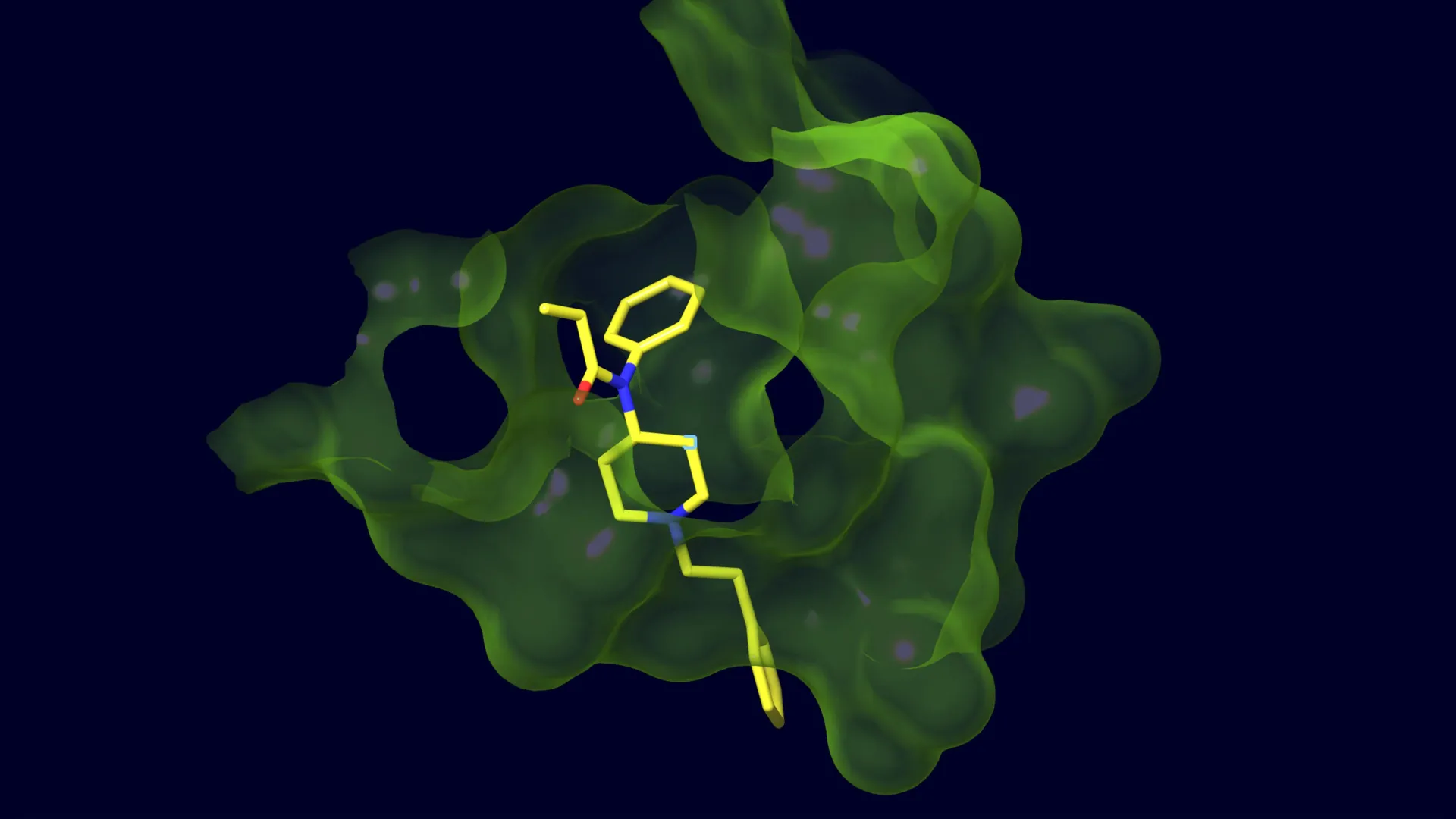
Fentanyl has become one of the deadliest drugs in the United States. Each year, fentanyl and related synthetic opioids are responsible for more deaths than car crashes and gun violence combined. In high doses, these drugs disrupt normal brain function and can suppress the signals that control breathing, often leading to fatal overdoses. Although medications can reverse an overdose, they must be administered quickly to be effective.
Researchers at Scripps Research are now exploring a very different strategy. Instead of treating an overdose after it happens, they have developed an experimental vaccine designed to stop fentanyl from reaching the brain in the first place.
The findings, published in the Journal of Medicinal Chemistry, indicate that the vaccine may provide protection not only against fentanyl itself but also against a wide range of fentanyl-related “designer drugs.” These modified versions are often created to increase potency or help manufacturers avoid detection and regulation.
“What this research shows us is that we don’t have to keep playing catch-up with every new synthetic designer drug that emerges,” says senior author Kim Janda, the Ely R. Callaway, Jr. Professor of Chemistry at Scripps Research. “By training the immune system to recognize the entire fentanyl class — not just individual structures — we can stay ahead of illicit drug traffickers.”
A New Approach to Fentanyl Prevention
Scientists have spent years working on vaccines that trigger the production of antibodies capable of binding to fentanyl in the bloodstream before it can affect the brain. Janda’s laboratory has previously developed vaccine candidates targeting both fentanyl and heroin.
However, most vaccine designs rely on the drug itself, or a molecule that closely resembles it, to train the immune system. That approach presents two major challenges. First, the drugs involved are highly regulated, making research and development more difficult. Second, the immune response tends to be highly specific, meaning it may recognize only the exact drug used in the vaccine.
“The way the fentanyl landscape is evolving, the black-market drug makers are constantly coming up with new versions to skirt regulations and avoid detection in standard screenings,” says Janda. “We need countermeasures that are going to work against all these future variants at once, not just one at a time.”
Testing an Unconventional Vaccine Design
In earlier research, Janda’s team developed a modified form of fentanyl that maintained its pain-relieving effects while eliminating many of the drug’s harmful side effects. For the new study, the researchers investigated whether a related molecule could serve as the foundation for a vaccine.
The molecule shared some characteristics with fentanyl but had a fundamentally different core structure.
“When we started testing this molecule as a vaccine component, we honestly didn’t know if it would work,” says Arran Stewart, a research associate in the Janda lab and first author of the study. “The conventional wisdom says that to get the immune system to recognize fentanyl, you have to use something that looks like fentanyl. We were doing the opposite.”
To test the idea, the team attached the modified molecule to a carrier protein and administered four vaccine doses to mice over an eight-week period.
The results surprised the researchers. Rather than requiring an exact match to fentanyl’s structure, the immune system generated antibodies that recognized a broader molecular signature shared by many fentanyl-related compounds.
Broad Protection Against Fentanyl Variants
When the scientists evaluated the antibodies against multiple fentanyl designer drugs, the vaccine demonstrated the broad protection they had hoped to achieve.
The antibodies strongly recognized fentanyl as well as several dangerous variants, including carfentanil, China White, acetylfentanyl and furanylfentanyl. At the same time, they did not bind to commonly used medical opioids such as morphine, oxycodone, remifentanil and alfentanil.
The protective effects were also evident in animal testing. Mice that received the vaccine maintained nearly normal breathing even after being given fentanyl doses that would typically cause severe respiratory depression.
Researchers also found that fentanyl levels in the brains of vaccinated mice were approximately 70% lower than in mice that had not received the vaccine.
Potential Future Applications
The vaccine must still undergo clinical trials to determine whether it is safe and effective in people. Even so, Janda believes the platform could eventually help protect individuals enrolled in substance abuse recovery programs and others who face a high risk of fentanyl exposure.
“The public health potential here is significant,” says Janda. “But so is the lesson that we can design vaccines that recognize an entire drug class, not just a singular drug.”
The study, titled “Redefining Drug Immune Recognition: A Radically Reconfigured Molecular Architecture Enables Broad Fentanyl-Class Protection,” was authored by Janda, Stewart, Lisa Eubanks, Bin Zhou and Rachel Steinhardt, all of Scripps Research.
The work was supported by the Shadek Family Foundation.