dailynewsnblog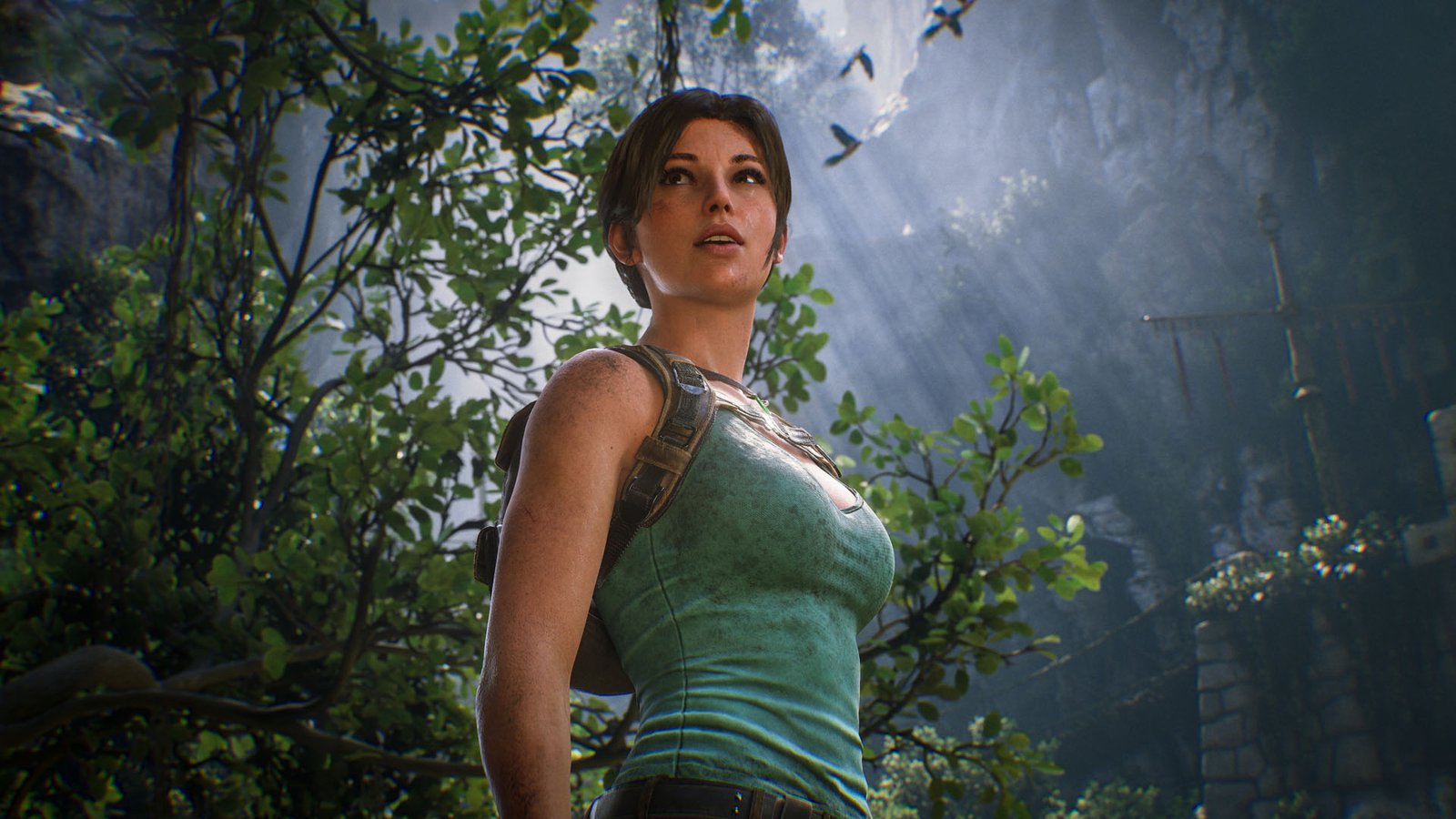
Now that there have been 30 years of subsequent Tomb Raiders since the original, what are some ideas from later games that you’ve been excited to reintegrate back into this new take?
Siqueira: We looked at a lot of different things. I think the Survivor trilogy, being the closest touch point for us, served as a good entry for us to look at, like, the core three that we talk about in Tomb Raider, which is puzzles, traversal, combat. Obviously, Survivor had a heavier focus on combat. We made it a little bit more complex. There’s a lot of depth to it. Arek was kind of touching on this in his previous answer, but we wanted combat in Legacy of Atlantis to not be just point-and-shoot, but we also didn’t want people to think that this is a combat game – we wanted to find the right amount of depth to put into it.
So, we introduce things like the Focus Mode, which you played, which is, like, our currency of combat. Basically, dealing damage and taking damage fills the meter, and you spend it to go into bullet time, or a slowed-down mode. That, to us, was a really cool way of merging the two, because, in the original, Lara used to do a lot more acrobatics – very different than Survivor, which is more grounded. So, we decided we absolutely need to have acrobatics, but from a game perspective, how does that work, right? Like, if you’re taking longer times to perform a jump or a dodge, you’re just more vulnerable. You’re exposed to taking damage. So, we figured out that when you push the button and slow down time, you get a cool move that celebrates Lara’s personality and traversal, and it also gives you an opportunity to deal more damage, and then just celebrate it.
So, there’s lots of little things like that where we look at Survivor, look at Angel of Darkness, look at all of the games before. What did they do that we like, what did the original do, and how do we combine the two of them together?