dailynewsnblog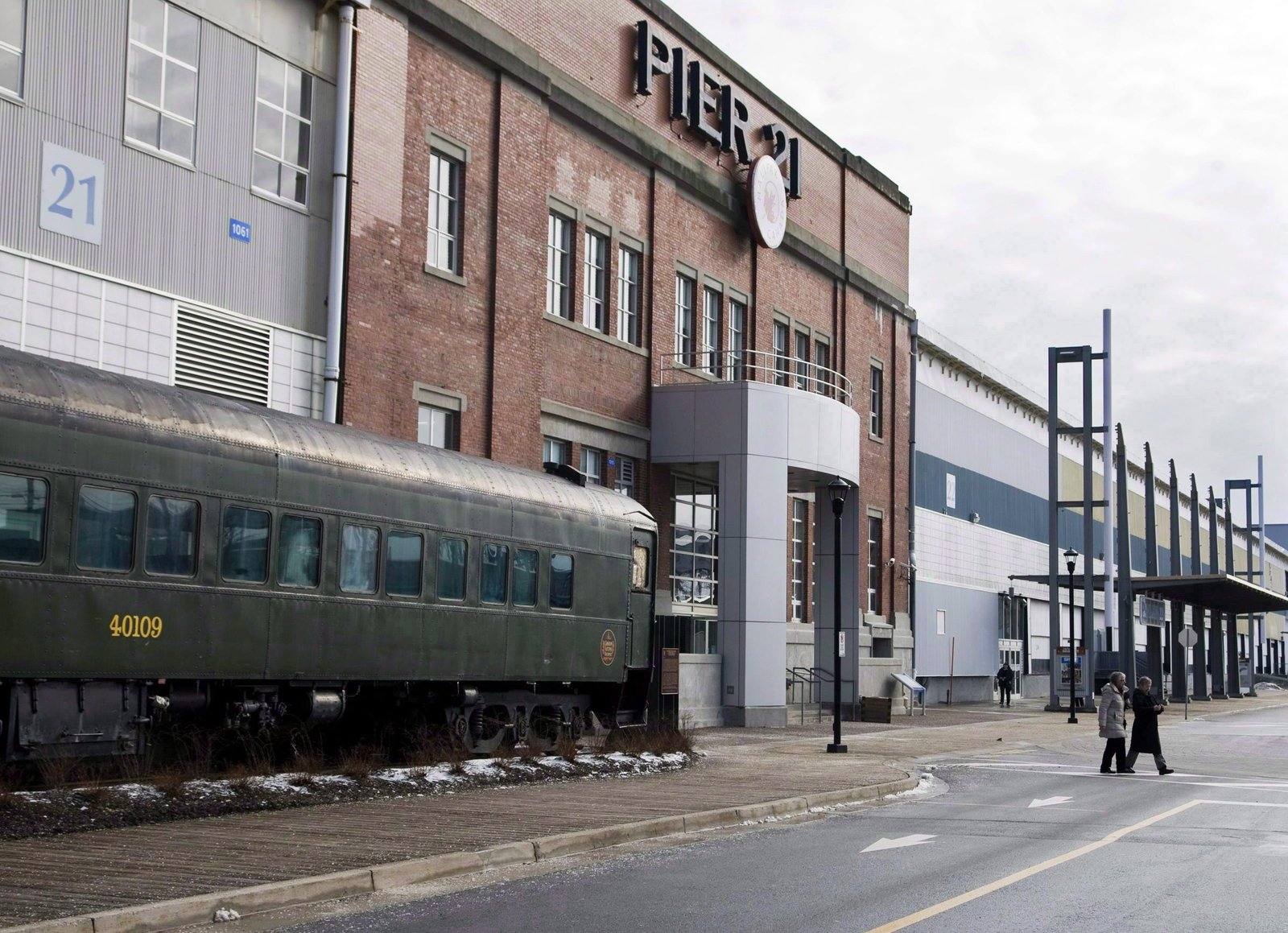
Filipino Heritage Month reminds me that we have not just arrived. We have been here. And, in ways both quiet and enduring, we belong.
On our Canadian honeymoon (a conscious decision amidst the world in shamble), while waiting to return back to Ottawa, reluctantly, my lovely wife convinced me to go to the Canadian Museum of Immigration at Pier 21 in Halifax.
To say I got emotional is an understatement – I sobbed out of pride, joy and redemption that my immigration story is one of many.
As June heat gleamed over the Halifax waterfront, I held in my heart my mom who immigrated here with such hopes and aspirations back in the early 2000. As a Filipino Canadian and particularly in June where Canada designates it as Filipino Heritage Month, that museum and this month felt like recognition – a moment to make visible a community that has long been present, but not always fully seen.
Like some Filipino Canadians, I was born in the Philippines and arrived in Canada in the late 2000s through the family reunification program, as children of live-in caregivers, as a teenager – what people sometimes call 1.5 generation. For years I thought it was normal to speak multiple languages (I speak 5) – I thought everyone moved between worlds as easily as I did.
Like learning languages, I was learning how to belong – again and again.
Growing up in Canada, being Filipino lived in vivid, contained moments: family gatherings crowded with pancit and lumpia, church on Sundays, community events where everyone seemed connected, and always with a karaoke in the background – loud and proud.
Then I would go to school in Montréal – in French – and that world would become quieter – I wasn’t trying to diminish it, I just carried it like it was a treasure. For a long time, I thought that was also the norm and that separation was a way to fit in. It was in Montréal that I first understood that identity is not fixed — it adapts, it stretches, it survives.
I also thought we were new – that Filipinos in Canada are adjusting, still building, and were part of the recent story. Not until I did my master’s that I found out this is not true. Benson Flores arrived in British Columbia in 1861 — nearly 140+ years before I did. That realization stayed with me. It challenged something I had taken for granted.
We were not only newcomers. We had already been here.
At Pier 21, hundreds of handwritten luggage tags hung in quiet tribute — messages of gratitude to relatives who had arrived there, carrying stories of departure and hope.
I added two of my own. One was for those who had come before me — the early Filipino migrants whose journeys made mine possible. The other was for my mother. In a few lines, I tried to capture what cannot easily be said: my gratitude for her sacrifices, and a promise to honour them by serving this country well. I also wrote, with a sense of pride, that Pinoys on Parliament and Kabangka — two Filipino Canadian youth organizations I helped co-found — now had their place at Pier 21, woven into that growing archive of arrival and belonging.
Sometimes, it feels like belonging is something we have to prove. But the truth is, we shouldn’t have to.
We already belong. We are already part of this country — part of its story, part of its heritage.
But the act of writing and leaving that luggage tag in that museum feels like I understood something about Canada – that belonging is not something we earn over time. It is something we carry, even when it is not always recognized.
With 900,000+ Filipino Canadians recorded in Census 2021—one of the fastest-growing communities in the country and projected to reach between 1.7 million and 2.4 million people by 2041, or nearly one in twenty Canadians—Filipino Canadians like myself, and what we bring through our culture, heritage, and contributions to our country, are truly worth celebrating.
Filipino Heritage Month reminds me that we have not just arrived. We have been here. And, in ways both quiet and enduring, we belong.
Being Filipino Canadian has taught me that identity is not something you arrive at once. It is something you carry, adapt and return to. We have much to learn to respect and reconcile with Indigenous Peoples, and we are here to help build a richer and more inclusive Canada every day.
Marko de Guzman is a senior policy analyst with the Government of Canada and co-founder of Pinoys on Parliament, Canada’s first and largest annual national conference for Filipino Canadian youth, and Kabangka, a non-profit supporting Filipino/a/x Canadian leadership and development, and an executive member of the federal Filipino Public Servants Network (FPSN).
The views, opinions and positions expressed by all iPolitics columnists and contributors are the author’s alone. They do not inherently or expressly reflect the views, opinions and/or positions of iPolitics.