dailynewsnblog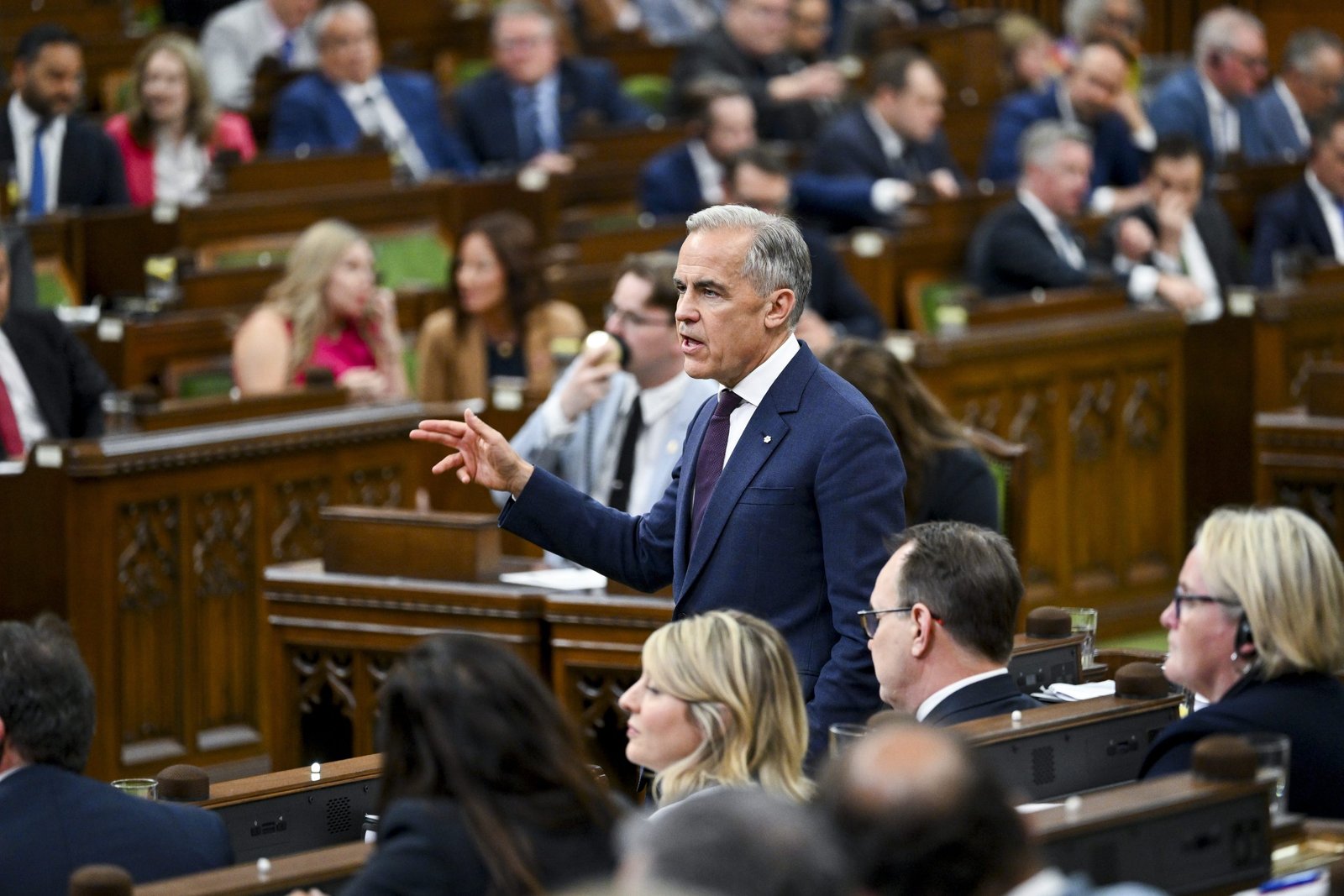
A quick check of the parliamentary calendar confirms it: As of today, there are exactly eight sitting days left until the House of Commons powers down for the season — assuming, that is, there’s no last-minute cross-aisle deal to declare an early start to the summer recess before June 19.
So, how close are the no-longer-minority Liberals to crossing off all the major items on their end-of-sitting legislative to-do list?
Closer than initially projected by Process Nerd at the three-weeks-to-go mark, as it turns out.
With the exception of Finance Minister François-Philippe Champagne’s spring omnibus budget bill — which, as of Monday afternoon, was still inching through what the government had clearly hoped would be a lightning round review at the House finance committee — they’ve managed to secure safe, swift passage for two other high-priority initiatives.
Firstly, C-16, Justice Minister Sean Fraser’s proposal to strengthen laws dealing with gender-based violence, add new measures for child protection and address issues stemming from court delays, is now just shy of two hours away from hitting the deadline for a third-reading vote, courtesy of a time allocation motion adopted earlier this week.
Then there’s C-20, which will formally establish Build Canada Homes, the newly-created agency tasked with carrying out key components of the government’s housing policy, which is set to get the green light to proceed to the Senate this afternoon.
Last night, Government House Leader Steven MacKinnon served notice of a motion that, if adopted, would put C-26, a separate proposal to authorize Champagne to pay out up to $1.713 billion to the provinces and territories “for the purposes of improving housing supply,” approved at all stages after just two and a half hours of debate.
For those keeping track, all three bills were mentioned in the legislative preview delivered by MacKinnon’s deputy House leader, Arielle Kayabaga, last week.
Also on deck: Two motions outlining the government’s recommended responses to Senate-initiated changes to C-14, Fraser’s bid to tighten the rules for bail release, as well as C-9, which will expand and extend the existing anti-hate crime laws to include, among other measures, increased protection for houses of worship and community gathering places, and a ban on the public display of symbols of hatred.
In both cases, MPs are being asked to accept some, but not all of the amendments passed by the Senate, with the motion dealing with the bail laws currently set to be debated — and potentially, although not necessarily, put to a vote — this afternoon. As yet, there’s no word on the timing for the other motion.
Depending on how that debate plays out, MPs could also begin report stage debate on C-25, MacKinnon’s proposed changes to the federal election and political financing laws.
On the committee side, at least two bills are, at least in theory, closing in on the last stage of review before being reported back to the House of Commons: the aforementioned budget bill and S-2, which, as chronicled by iPolitics’ own Marco Viglioitti, would make changes to the Indian Act registration system, although as yet, there’s no word on exactly when they’ll be back on the docket in the chamber.
Public Safety Minister Gary Anandasangaree’s latest push to modernize the lawful access regime is also midway through clause-by-clause review, although given the highly technical nature of the bill — and, perhaps more critically, the ongoing debate over preserving privacy rights — even if it does manage to squeak through third reading before the cutoff, it’s highly unlikely to make it through the Senate until the fall.
Still, barring a sudden surge in procedural complications, it’s a good bet that MacKinnon will be able to point to a significantly longer list of legislative accomplishments than he was able to claim last year.
So, what’s driving the sudden upswing in procedural efficiency?
In a nutshell: The basic mathematical advantage of securing a narrow but working majority — which, in addition to giving the Liberals enough votes to pass bills without the support of at least one opposition party, also allows MacKinnon to impose his preferred timeline via time allocation.
The government House wranglers do, however, get extra credit for taking the unusual, although not unprecedented step of flipping the traditional script for the final weeks of the sitting by wrapping up the supply cycle a full two weeks before the House-mandated deadline of June 23 to vote on the main and interim estimates.
In a minority setting, those votes can be a make-or-break test of confidence — and even if the government’s survival is all but assured, there’s always the possibility that the opposition will threaten to drag out the process by demanding a recorded vote on each and every proposed expenditure.
It’s significantly less likely to be a cliffhanger in a majority setting, of course, but still requires setting aside a day to give the opposition one last chance to make the case for why those spending requests should be rejected.
That debate — and those votes — took place on Monday, which effectively cleared the way for the Liberals to devote every minute left on the clock to government business without having to factor in the estimates.
As of yesterday afternoon, the standard parliamentary workday has been extended until midnight from Monday to Thursday, which, combined with the strategic deployment of time allocation motions, will effectively allow the Liberals to plot out the rest of the sitting down to the second.
Given all that, it’s not hard to imagine a scenario where the parties agree to wind down the sitting ahead of schedule, although most likely, not by more than a day or two at most — although when asked, MacKinnon has been characteristically mum on any behind-the-curtains negotiations that may or may not be underway.
“(The) government intends to maximize every opportunity it can to get the work of the people done,” he told reporters on Tuesday after cabinet.
Despite that newly-secured majority, it’s not entirely up to the government to decide the end date for the current sitting, which is set by the Standing Orders and can only be changed on the fly with unanimous consent. Still, with Prime Minister Mark Carney poised to depart on a six-day European tour that would likely leave his front-and-centre seat in the House of Commons unoccupied until next Thursday at the earliest, the opposition parties may not be quite so resistant to the prospect of an early exit.