dailynewsnblog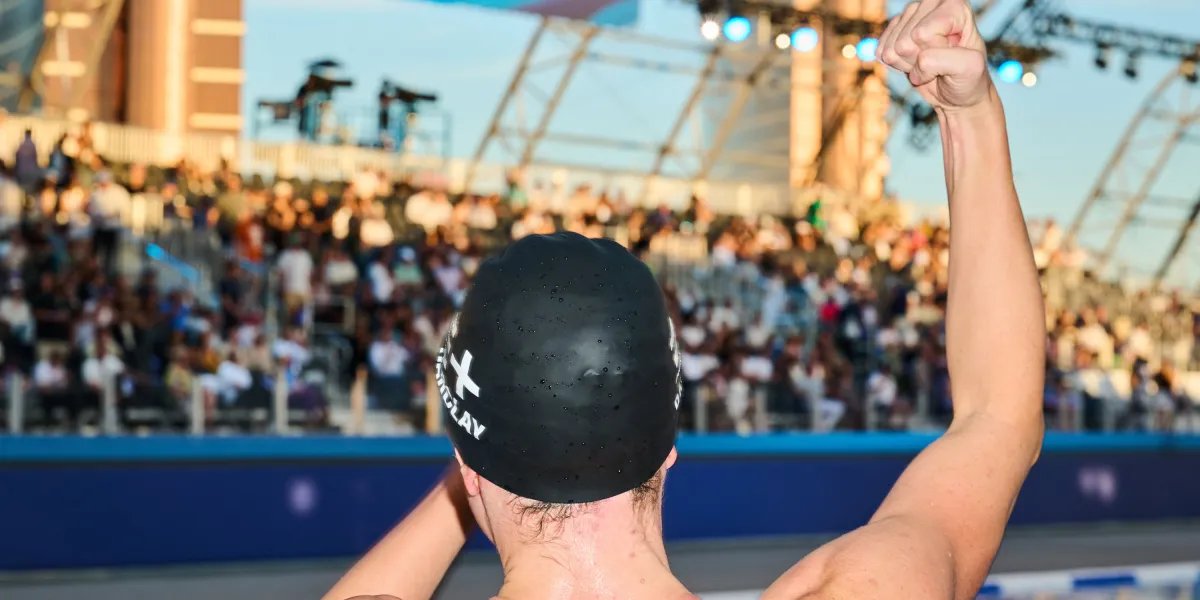

SAEED RAHBARAN
One thing the athletes wouldn’t talk about, though, is what drugs they were actually taking. They all had the same reason: not wanting to encourage copycats who might take enhancements without a doctor on hand to tailor programs to their needs.
The one exception was Thor Björnsson (testosterone, deca-durabolin, anastrozole, halotestin), a hulking Icelandic deadlifter and former World’s Strongest Man who played The Mountain on Game of Thrones. Björnsson first heard about the games on Joe Rogan’s podcast and was immediately interested. The rules for strongman competitions are somewhat less stringent than those for Olympic sports, though, and he actually had to reduce the number of substances he was taking to meet Enhanced’s FDA requirements.

SAEED RAHBARAN
There is some debate over how much doping some of the athletes were actually doing. In a conversation last year, Gkolomeev told me he’d only really been “microdosing,” and he confirmed that his 2026 enhancement program was largely the same. Sagner says the doses the athletes were taking were a fraction of the amounts some Olympic athletes had been caught using in the past. I heard that a few athletes had decided not to take steroids or growth hormones and were only using modafinil, a narcolepsy medication that’s thought to improve focus.
The day before the games, I asked Angermayer what it would mean if clean athletes like Kerley and Armstrong won their events—what impact it would have on Enhanced’s business model of using sports as a showcase for its line of performance products if the people using those products didn’t actually win anything. “I know what you mean, but mostly our business model is headlines to drive attention,” he said. “Any debate is good for us.”
In early May, Enhanced began trading on the New York Stock Exchange with an initial value of $1.2 billion.
That same week, it was finally go time. The athletes and coaches left Abu Dhabi and flew to Las Vegas, where they were put up in five-star luxury at the Conrad hotel inside Resorts World while they made their final preparations.
When I got there a few weeks later, toward the end of May, I found it jarring to see these hulking presences walking around the casino in their Enhanced sportswear, weaving their way through packs of half-drunk tourists, with slot machines flashing in the background and cigarette smoke hanging in the air. I had expected the games to be a bigger deal within the city itself, but they were just one of a thousand things happening in Vegas that weekend—drowned out by a series of BTS shows at the football stadium, by the Golden Knights in the NHL playoffs, by No Doubt’s residency at the Sphere.
If this was a sporting earthquake, it was one whose tremors were mainly being felt online, where bodybuilding influencers livestreamed to their followers on Kick and Twitch, and where thousands watched on YouTube and Rumble. (D’Souza once told me he’d had “every major sports broadcaster” vying for the rights; in the end, Enhanced struck an exclusive streaming deal with Roku in the US.)

SAEED RAHBARAN
On the morning of the games, Enhanced held a medical symposium that was supposed to provide a taste of the company’s long-term objectives. The first speaker was Bryan Johnson, the longevity-obsessed entrepreneur famous for plowing his personal fortune into wild attempts to reverse his aging: receiving transfusions of his teenage son’s plasma, measuring his nighttime erections, taking more than 100 supplement pills a day. He spends $2 million per year on all this, but he looked pale and vampiric as he delivered the slightly off-brand message that, really, the most important thing was getting a good night’s sleep: “You don’t need to chase IV infusions; you don’t need to chase crystals. You don’t really need to do much of anything.”
At 2 p.m., I took two escalators from the conference room down to the arena, where spectators were filtering in. Though it had cost $50 million, it had been constructed in just three and a half weeks, and it showed; on the media tour the previous day, there were still loose screws on the floor of the bleachers.
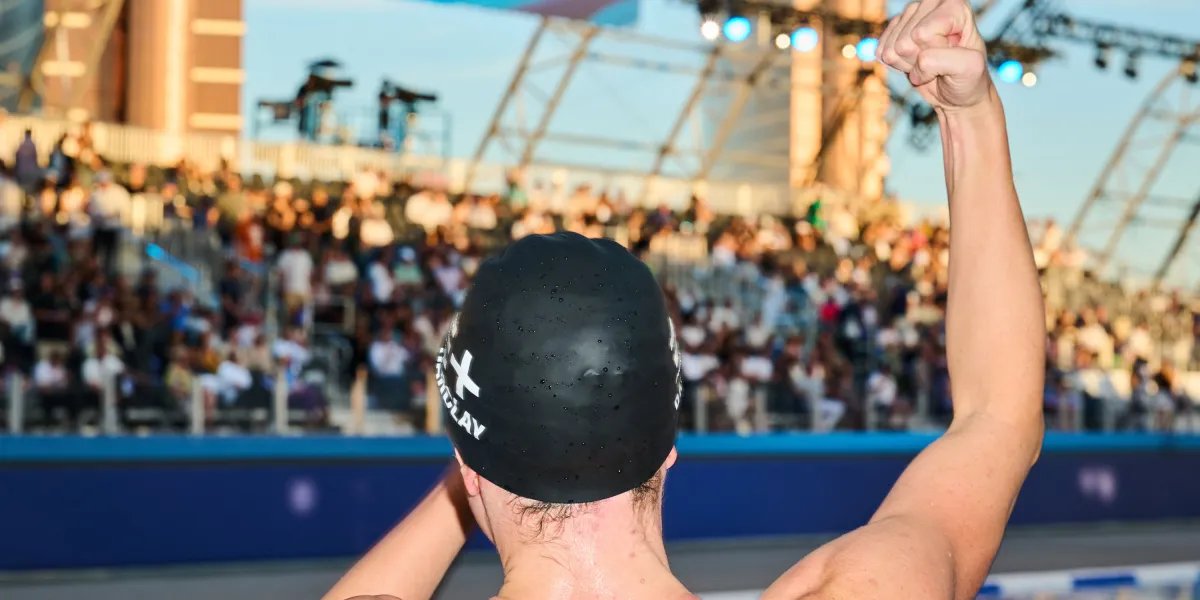
There were a few thousand seats in an open grandstand down one side, and two rows of VIP suites on the other. No tickets were sold, so it was a strange mix of invited guests, investors, and influencers, some of whom had reportedly been flown in from Los Angeles on a chartered jet. The rapper Tyga was the biggest name to grace the “blue carpet,” although I did also spot Fabio James, a Michael Jackson look-alike who has had surgery to make the resemblance even stronger. Rumors swirled that Peter Thiel might show up; they proved unfounded.