dailynewsnblog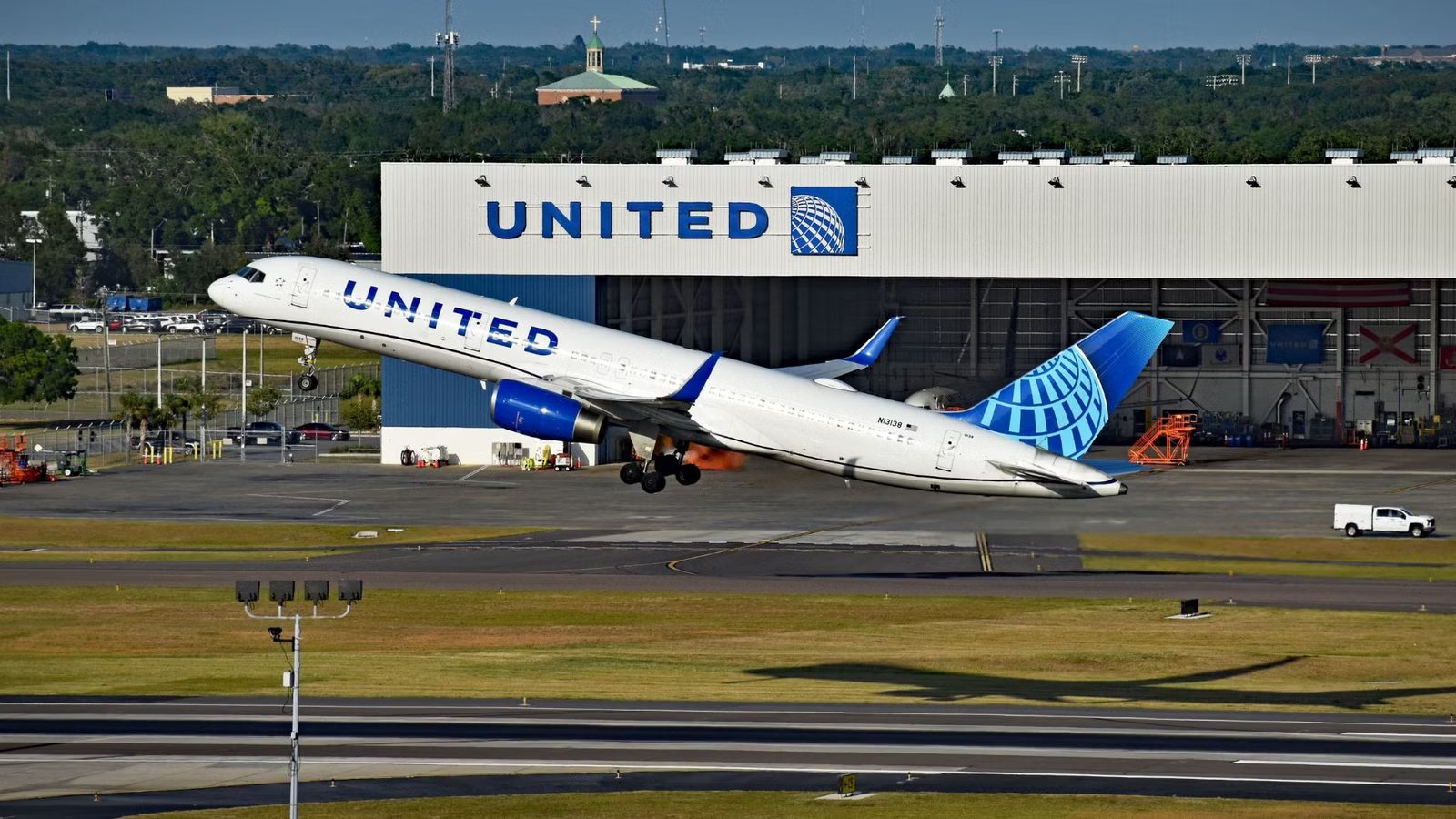
About 70  United Airlines frequent flyers completed one of commercial aviation’s most unusual endurance challenges on June 6, successfully traveling through all seven of the carrier’s US hub airports in a single day. The self-organized event, known as the “UA 7 Hub Run,” covered 3,788 miles across six flights and nearly 20 hours of travel, testing both airline operations and passenger stamina.
The challenge ultimately succeeded, but not without controversy. Significant delays threatened to derail the itinerary early in the day, prompting discussions about whether United provided extraordinary assistance to ensure participants completed the ambitious route. The airline’s actions drew praise from some aviation enthusiasts and criticism from travelers who questioned whether ordinary passengers were affected by efforts to keep the run on track.
A Marathon Across The United Network

The 2026 UA 7 Hub Run marked the second consecutive year that aviation enthusiasts attempted to visit every United hub within a single calendar day. Participants began at  Newark Liberty International Airport (EWR) before traveling through Washington Dulles International Airport (IAD),
  Chicago O’Hare International Airport (ORD),
  Houston George Bush Intercontinental Airport (IAH), Denver (DEN), Los Angeles (LAX), and finally San Francisco (SFO). The schedule allowed only narrow connection windows at most airports, leaving little room for operational disruptions.
According to the event’s organizers, the route was designed to touch all seven hubs using six flights because travelers started the day at one of United’s hub airports. The itinerary was scheduled to last 20 hours and two minutes, requiring precise coordination and on-time performance across multiple regions of the United States. The event attracted some of United’s most dedicated customers, including elite MileagePlus members and aviation enthusiasts drawn to the challenge rather than any formal reward. Organizers emphasized that the run was not officially sponsored by United, though the airline was well aware of the undertaking.
Delays Nearly Ended The Challenge

The biggest threat emerged early in the day when a maintenance-related delay affected the second flight from IAD to ORD. The disruption added more than two hours to the schedule and put the entire project at risk before participants had even reached the halfway point. As delays accumulated, many observers expected the challenge to fail. Instead, a combination of operational adjustments, favorable timing on subsequent flights, and United’s ConnectionSaver technology helped many participants remain connected to their itinerary. ConnectionSaver is designed to identify situations where briefly holding a flight can allow additional connecting passengers to board without causing major network disruptions.
The group eventually completed the route with only 42 minutes remaining before midnight, a remarkably close finish considering the extent of the earlier disruptions. It is important to note that the East to West travel extended the effective travel time as well. Nevertheless, the challenge effectively became a real-time demonstration of how interconnected airline operations can recover from unexpected setbacks during a busy travel day.

18-Hour Nonstop Flights: United Airlines’ 10 New Ultra-Long Routes In 2026 [Updated]
How many can you guess? Find all them here!
Questions Raised About United’s Involvement

While participants celebrated the accomplishment, the event sparked debate within the aviation community over the level of assistance provided. Some say that operational decisions, including held connections and additional coordination efforts, helped prevent large numbers of participants from missing flights. Critics argued that such measures may have inconvenienced other travelers who were not part of the challenge.
The discussion quickly spread across aviation forums and social media. Some observers viewed the airline’s actions as a reasonable effort to assist a large group of loyal customers. Others questioned whether recreational mileage runs should receive operational consideration when regular passengers may also be dealing with delays, missed connections, or important travel commitments.
Supporters countered that the same systems used to help the participants are routinely employed to protect connections throughout United’s network. From an operational perspective, dozens of at-risk connecting passengers are still dozens of at-risk connecting passengers, regardless of the purpose of their travel. The debate is likely to continue, but the outcome is clear. Against considerable odds, approximately 70 aviation enthusiasts completed a one-day journey through every United Airlines hub, turning a niche frequent-flyer challenge into one of the most talked-about airline stories of the summer and highlighting both the strengths and complexities of modern airline operations.