dailynewsnblog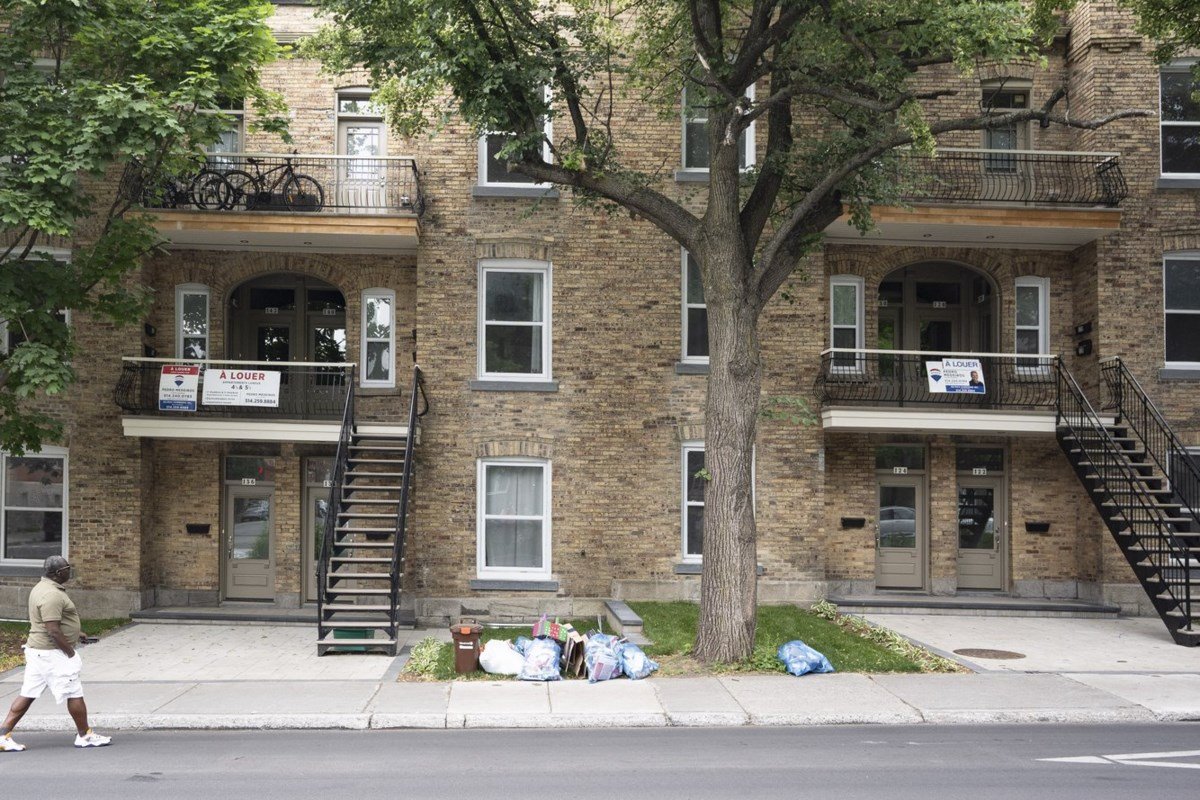

Average asking rents for May were down approximately $100 from a year earlier, according to the latest monthly analysis from Rentals.ca and Urbanation.
TORONTO — A new report says Canada could be poised for a slower-than-usual summer rental market as average asking rents for May were down approximately $100 from a year earlier.
The latest monthly analysis from Rentals.ca and Urbanation, which is based on asking rents across the former’s listings network, found the average asking rent for May was down 4.7 per cent year-over-year to $2,029.
That marked the 20th consecutive annual decline.
Prices ticked up 0.1 per cent on a month-over-month basis from April, which the report said was well-below the average seasonal increase during the previous five years of 1.3 per cent.
Urbanation president Shaun Hildebrand said the Canadian rental market is heading into the peak summer season under a weak economic backdrop, a decreasing population and record apartment completions.
Those factors are keeping rent increases “softer than what is typical for this time of year,” he said.
“This should offer continued relief for renters after years of outsized rent inflation.”
Since reaching a peak of $2,202 in May 2024, average asking rents have fallen 7.8 per cent, the report said.
In May, asking rents for purpose-built apartments fell 3.4 per cent year-over-year to an average of $2,031, while asking rents for condominium apartments fell 6.8 per cent to $2,076.
Average asks for house and townhouse rentals were down 7.7 per cent to $2,004.
Measured by province, B.C. recorded the steepest decline in average apartment rents, which were down 5.4 per cent to $2,328, followed by Ontario, which saw a five per cent decrease to $2,219.
Alberta’s average ask decreased 4.7 per cent to $1,663, followed by Quebec’s decline of 1.4 per cent to $1,936.
Average asking rents for apartments rose in Nova Scotia by 2.6 per cent to $2,343, overtaking B.C. as the most expensive province for that category.
Apartment rents moved 2.1 per cent higher in Manitoba to $1,659 and 0.4 per cent in Saskatchewan to $1,391.
This report by The Canadian Press was first published June 8, 2026.
Sammy Hudes, The Canadian Press