dailynewsnblog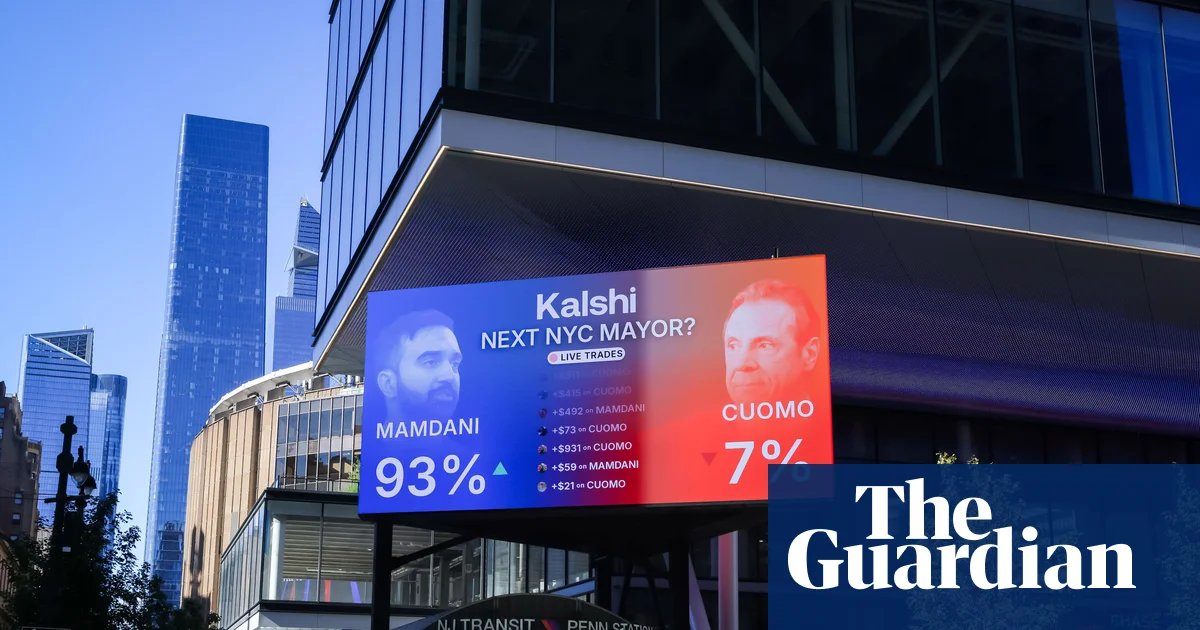
Popular online prediction markets Kalshi and Polymarket will prohibit paid creators and affiliates from denying election results, NPR reports, as online creators spread misinformation about California’s election.
In a social media post, Bobby Allyn, NPR technology reporter, reports: “Kalshi now says it prohibits paid creators from calling into question the integrity or accuracy of an election, legal ruling or official determination in connection with an election.
“Polymarket now says any affiliate post denying an election result would violate their terms of service stipulating that creators do not spread false and misleading information,” he added. “The company says it has asked that posts from two of its paid affiliates lose its sponsorship.”
Last week, Kalshi asked influencers paid to promote the site to take down posts spreading election misinformation, including a video from commentator David Freeman where the Trump supporter said: “Let’s talk about California for a second. You know they’re cheating. I know they’re cheating. You know they’re cheating. We all know they’re cheating.”
Meanwhile, Polymarket asked two creators to remove paid-partnership tags from certain posts, including one where Benny Johnson, a conservative influencer, said LA mayoral candidate Nithya Raman’s odds of winning improved on the site because “the public has so little faith in California’s elections that they just assume Democrats are going to dramatically rig it”.
In another post labeled as a paid partnership with Polymarket, Kangmin Lee, a rightwing streamer, said: “Notice how the mail-in ballots that come in last second always end up voting Democrat. Totally a coincidence, nothing to see here.”
Prediction markets such as Kalshi and Polymarket allow users to “trade” on the outcomes of any event, from sports games to geopolitical conflicts to elections. Although the markets have been banned in some countries, such as Spain, under gambling laws, the platforms operate widely across the US, including in states where gambling has long been banned.
US politics have become a frequent target of bets on such prediction markets.
Last week, news broke that federal authorities are investigating whether George Santos, the disgraced former Republican congressman from New York, engaged in insider trading by placing a Kalshi bid on his own attendance to the State of the Union address.
In April, Kalshi disclosed that it had reprimanded three political candidates who had traded on their own electoral prospects and in March, Kris Mayes, the Arizona attorney general, filed criminal charges against Kalshi, accusing the market of unlawfully allowing people to bet on elections.
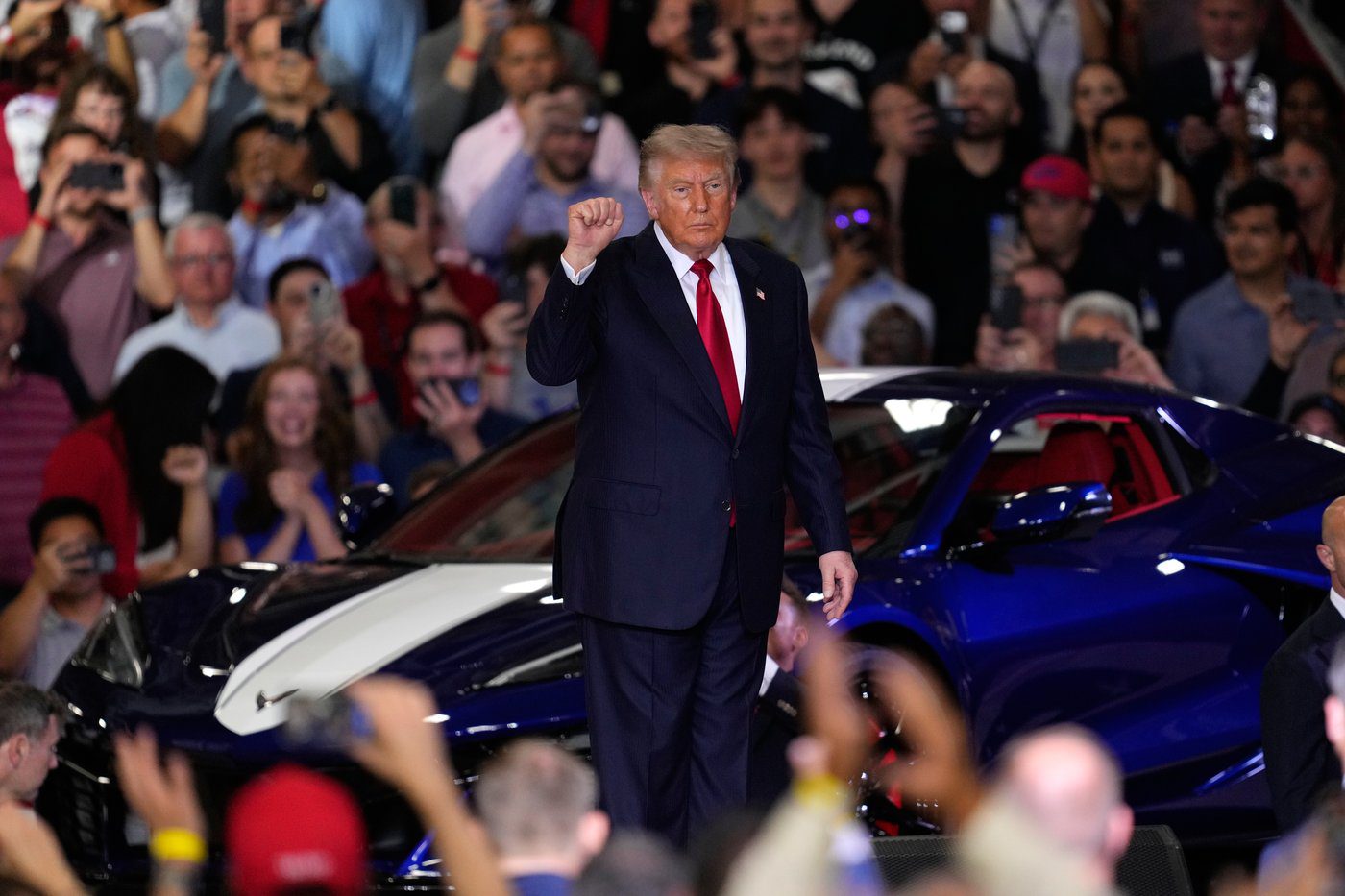
The president’s son, Donald Trump Jr, serves as an adviser to both Kalshi and Polymarket, and the president’s social media platform, Truth Social, is developing its own prediction market called Truth Predict.
Since last week’s primary election in California, Trump and other Republicans have begun spreading unfounded claims of election fraud. The state has long counted its ballots very slowly, following a careful process of verifying votes and allowing voters to correct errors on their ballots.