dailynewsnblog
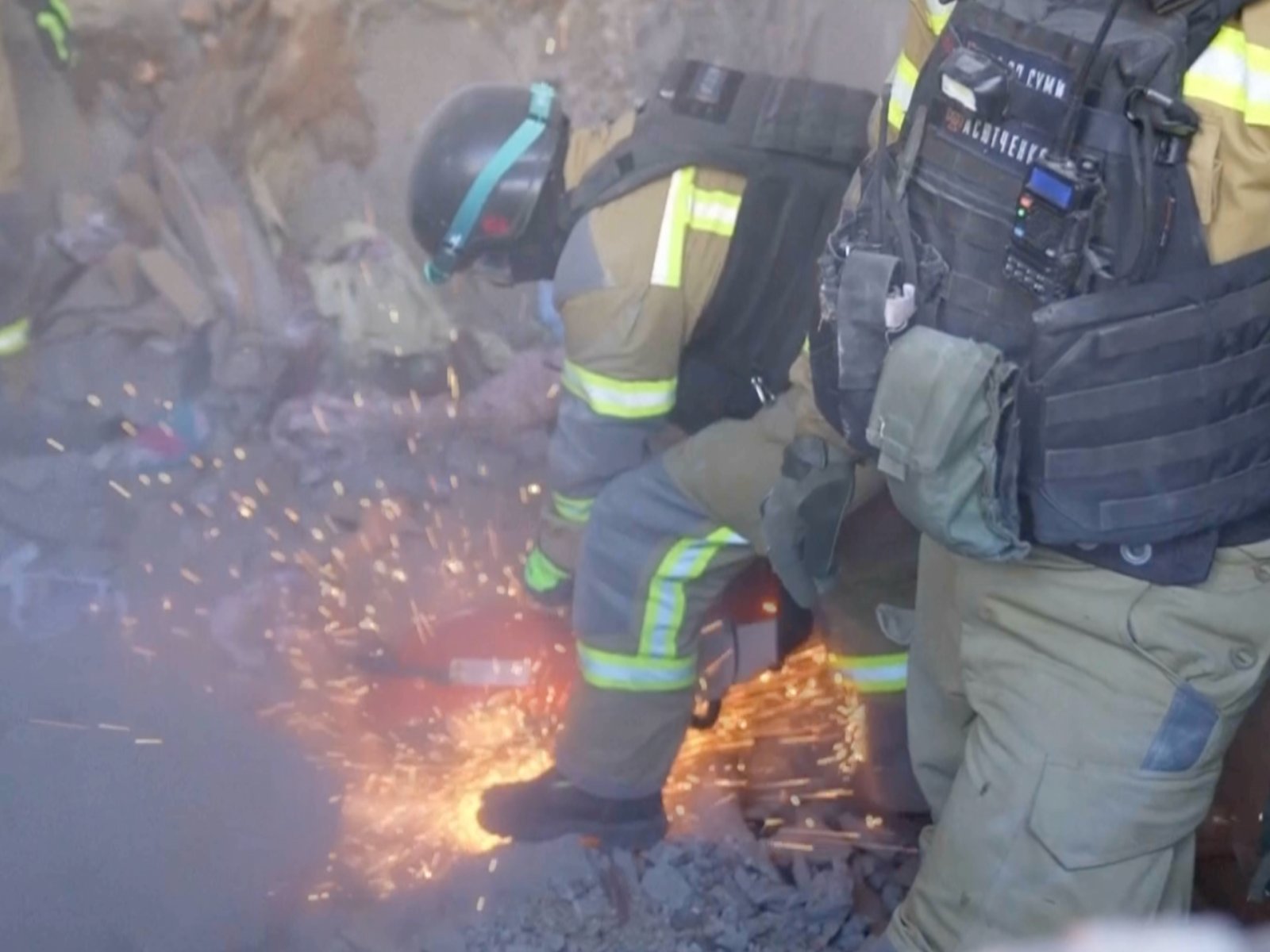
Residents of Tehran, the capital of Iran, woke up in the early hours of Monday to the sound of massive explosions from Israeli strikes. Large plumes of smoke and red flames billowed in the air.
Then came the drill of frantically checking their phones, social media and family WhatsApp groups to piece together what was happening. The pressing question: Was Iran back at war again?
“We were just starting to get back to some level of routine and normalcy,” said Keivan, a 46-year-old father of three and a business owner in Tehran. “It’s all up in the air again.”
Like others in the city, Sara, a 54-year-old chemist, said she had gone to bed anticipating that Israel would retaliate for Iran’s earlier barrage of ballistic missiles. Tehran was stormy on Sunday evening, and she woke up several times from thunder and lightning, thinking they were under attack.
On state television, conservative pundits on morning news shows blamed Israel and the United States for the renewed hostilities, saying the two had worked together, and praised Iran for its proactive strategy of aggression.
Tehran’s fire department said two nonresidential locations in the western part of the city had been attacked, according to state television. Isfahan’s deputy governor said on the broadcast that Najafabad — a city close to Isfahan, in central Iran — had been hit, but no casualties had been reported so far. A government official in East Azerbaijan Province said a military facility in Tabriz, the provincial capital, had been struck, also with no casualties reported, state media said.
Israel also attacked Iran’s largest petrochemical complex in the city of Mahshahr, located in the south near the Persian Gulf. Officials from Khuzestan province, where Mahshahr is located, told Iranian state media that the strikes had damaged the Karun petrochemical plant.
Iran’s state news agency, IRNA, reported that tens of thousands of workers were being evacuated from the complex.
The Israeli military said it had bombarded Iranian military sites in central and western Iran, as well as a major petrochemical factory in southern Iran.
Golshan Fathi, a resident of Tehran, wrote on social media that she had prepared an emergency bag, filled up her gas tank and updated the apps on her phone in anticipation of an attack overnight. “Now I’m sitting here, waiting for the war,” Ms. Fathi wrote, adding that it was a “wait born of fear, not courage.”