dailynewsnblog

Kerry-Lynne Findlay begins her leadership with the BC Conservatives even with the NDP and room to grow among undecided voters
The first opportunity to conduct a voting intention poll with a new leader for one of the two main political parties in a province is always an exciting proposition. Kerry-Lynne Findlay took over at the helm of the Conservative Party of B.C. just over a week ago. She inherits a party that, in October 2025 and prior to the departure of John Rustad, was trailing the governing BC NDP by six points (38 per cent to 44 per cent).
This month, the BC Conservatives and the BC NDP are tied among decided voters with 42 per cent each. The BC Greens are third with nine per cent, followed by Centre BC with three per cent and OneBC with two per cent.
Findlay’s approval rating debuts at 32 per cent. In essence, a third of the province likes what she is doing, a third disapproves (35 per cent) and a third (32 per cent) needs to know more before issuing a verdict. BC NDP Premier David Eby has dropped to 48 per cent, and his party is not as dominant as it once was on Vancouver Island, where the BC Conservatives are just three points behind (42 per cent to 39 per cent).
While Findlay has been the focus of intense media attention over the past two weeks, she still needs to earn a seat in the legislative assembly. The leadership race was close. Two points “the other way” and we would be discussing the power of Facebook ad buys, out-of-province advisors and endorsements from retired politicians.
In the early stages of Findlay’s tenure, it is important to look at how British Columbians reacted immediately after the past two official Opposition leadership races.
In July 2018, the first survey conducted after Andrew Wilkinson became leader of the BC Liberals placed his party five points behind the BC NDP (32 per cent to 37 per cent, with the Andrew Weaver-led BC Greens at 17 per cent). Wilkinson’s approval rating stood at 24 per cent, with 37 per cent of British Columbians unsure of how he was performing. Premier John Horgan checked in with an approval rating of 47 per cent.
In February 2022, Kevin Falcon’s BC Liberals trailed Horgan’s New Democrats by eight points among decided voters (38 per cent to 46 per cent). Falcon’s approval rating stood at 38 per cent, with 29 per cent of respondents undecided about how he was doing. Horgan was still riding high after the COVID-19 pandemic, with an approval rating of 69 per cent.
In a nutshell, Findlay’s personal numbers are superior to Wilkinson’s but lower than Falcon’s. Still, the Opposition this month is outperforming the 2018 BC Liberals by 10 points and the 2022 edition by four points.
In our survey, 47 per cent of British Columbians continue to feel that there is room for a centre-right party that can challenge the BC NDP and the BC Conservatives. In addition, 41 per cent feel it is time to bring back the BC Liberal brand that secured four majority governments in this century.
A secondary question on our survey asked British Columbians who they would vote for if the BC Liberals ran a candidate in their riding. This putative election sees the BC NDP in first place with 35 per cent, followed closely by the BC Conservatives with 34 per cent, the BC Liberals with 15 per cent, the BC Greens with nine per cent, and Centre BC and OneBC each at three per cent. Of course, this is a test of parties without leaders. The appetite for the brand may seem weak. Then again, there was a moment when the BC Conservatives were in the low single digits not too long ago.
The minor parties have not benefitted from Findlay’s victory. OneBC was not competitive six months ago and is not competitive today. Centre BC has not positioned itself to become the repository of hope for the many British Columbians who want an alternative to the two dominant parties.
The BC Conservatives are where they were in March and June 2025, but with higher potential under a leader who is not widely known, than under one who failed for a year to excite anyone outside of the customary “Never NDP” voter. Findlay’s introduction comes with caveats. The “Faith, Family and Freedom” mantra elicited a wave of applause at the leadership convention, but may prove a harder sell in a province where, in December 2025, you were more likely to run into an atheist, agnostic or irreligious person (47 per cent) than a Christian (40 per cent).
The challenge for the New Democrats has not changed, even if the person they will be battling directly in the legislative assembly has. The governing party needs to outline policies that will benefit young and middle-aged voters who are no longer committed to the centre-left. Right now, the voters who save the day for the BC NDP are aged 55 and over—a reversal of voter behaviour in the first decade of this century.
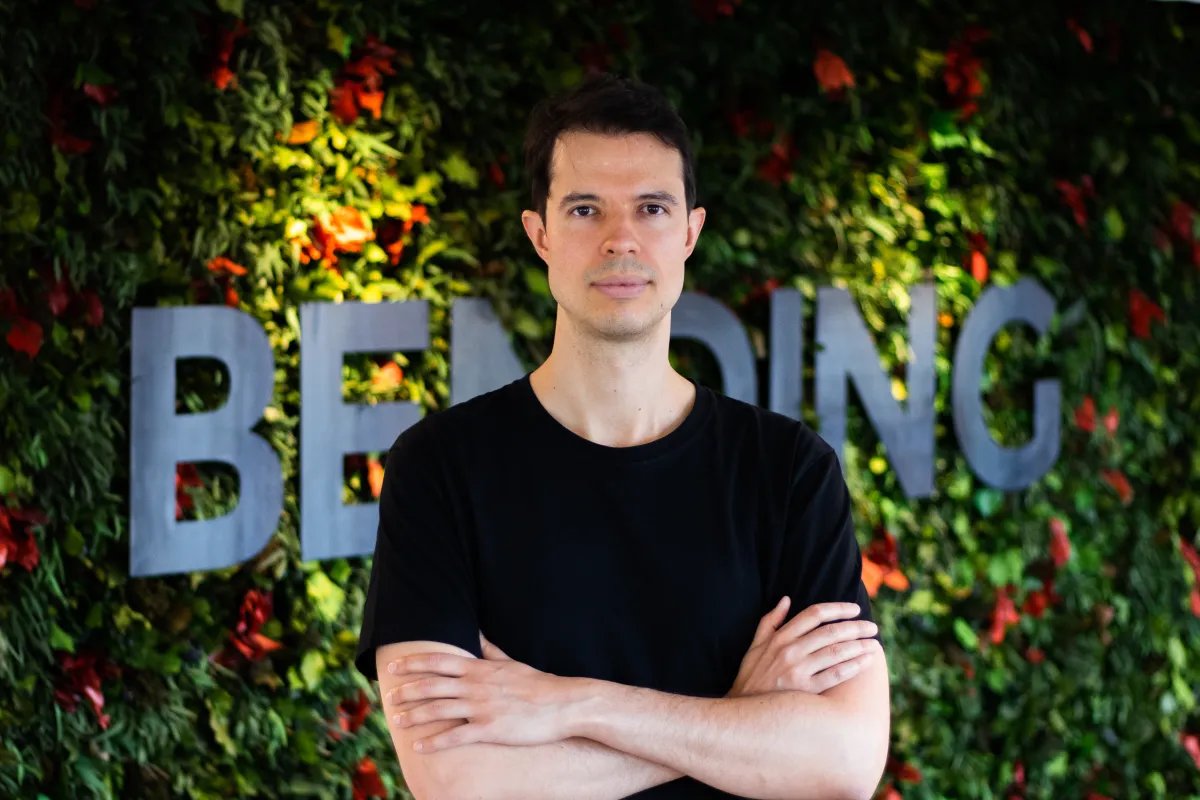
Mario Canseco is president of Research Co.
Methodology: Results are based on an online survey conducted from June 3 to June 5, 2026, among 803 adults in British Columbia. The data has been statistically weighted according to Canadian census figures for age, gender and region in British Columbia. The margin of error—which measures sample variability—is +/- 3.5 percentage points, 19 times out of 20.