dailynewsnblog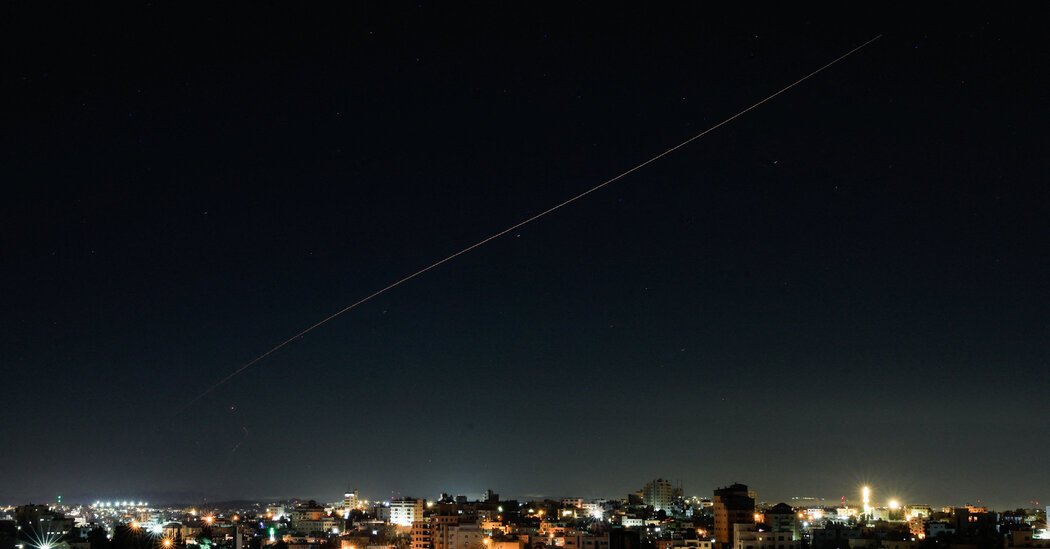


Iran attacked Israel with a limited number of ballistic missiles late Sunday after an Israeli attack in the outskirts of Beirut against Hezbollah, the Iranian-backed militant group. It raised the specter of a return to open conflict between Iran and Israel for the first time since a cease-fire paused the U.S.-Israeli war with Iran in early April.
The Israeli military said that it had intercepted the missiles and announced at around 11 p.m. local time that citizens were free to leave shelters. The government said schools would be closed nationwide on Monday as a precautionary measure.
Iran’s Islamic Revolutionary Guards Corps said the missile barrages were a response to Israel’s attack on Hezbollah. It said its acceptance of a cease-fire with the United States and Israel had been conditioned on a cease-fire on all fronts. “Tonight’s operation was a warning, and if aggressions are repeated, the responses will be broader,” the Guards Corps said in a statement.
Israel did not immediately respond to the Iranian missile attack, but its military suggested it was eager to. “The Iranian terror regime committed a grave error,” Brig. Gen. Effie Defrin, spokesman for the Israeli military, said in a televised briefing. He said Iran was “trying to forge a new equation by launching directly at our territory” in response to Israeli action in Lebanon. “We will not allow that,” he said.
Israel had joined the United States in a surprise attack on Iran in late February, but Israel and Iran had left each other alone since the April cease-fire as the United States sought a peace deal with Tehran. Although the Israeli and Lebanese governments last week agreed to renew a cease-fire, Hezbollah rejected that truce.
More than 3,600 people in Lebanon have been killed since fighting erupted in March, and hundreds since the cease-fire there. Some 30 Israeli soldiers have been killed.
Prime Minister Benjamin Netanyahu of Israel, who is behind in the polls heading into a re-election fight, has faced fierce political pressure from citizens of northern Israel who have been plagued by Hezbollah’s rockets, drones and missiles. He warned last week that he would order attacks on Beirut if Hezbollah attacked Israeli territory again.
Mr. Netanyahu, to his embarrassment, has also been publicly pressured by President Trump to avoid an escalation in Lebanon that could jeopardize the U.S.-Iran talks.
Mr. Trump told Fox News Sunday that the latest Israeli strike on Beirut had not been coordinated with the United States, and that he was “not happy about it,” the network reported. As for Iran, Fox reported, Mr. Trump said his message was: “You’ve shot your missiles, that’s enough. Get back to the table and make a deal.”
Here’s what else to know:
-
Oil prices rise: The volley of missiles sent oil prices up about 2.9 percent to $95.79, the latest economic jolt from the war. After the initial U.S. and Israeli attacks in February, Iran effectively closed the Strait of Hormuz, a vital waterway for the transportation of petroleum products. The throttling of shipping traffic, coupled with the subsequent U.S. blockade of Iranian ports, set off a surge in fuel prices.
-
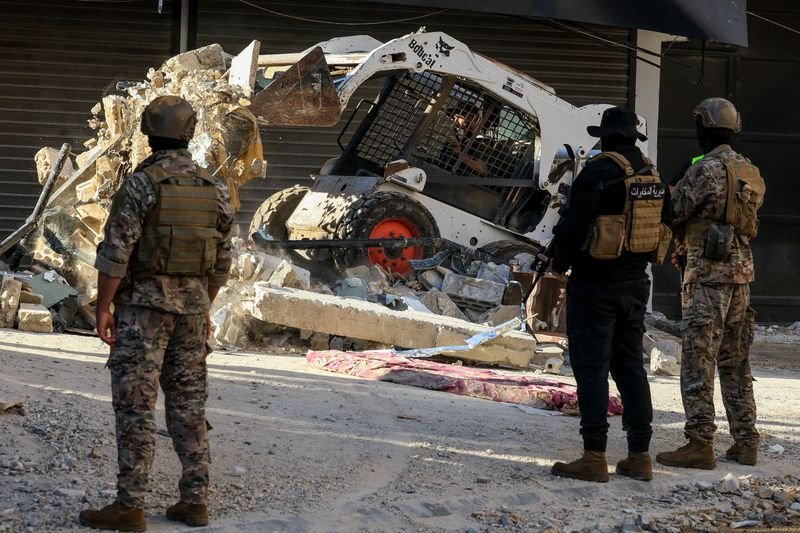
Israel bombs Beirut: Israel said it bombed a Hezbollah site on the southern outskirts of the Lebanese capital, Beirut, on Sunday after the Iran-backed group attacked northern Israel. Read more ›
-
Despair in Iran: Amid a teetering cease-fire, a reported death toll of 1,700 civilians, and an economic implosion that has made daily life a struggle, Iranians sink into despair. Read more >