dailynewsnblog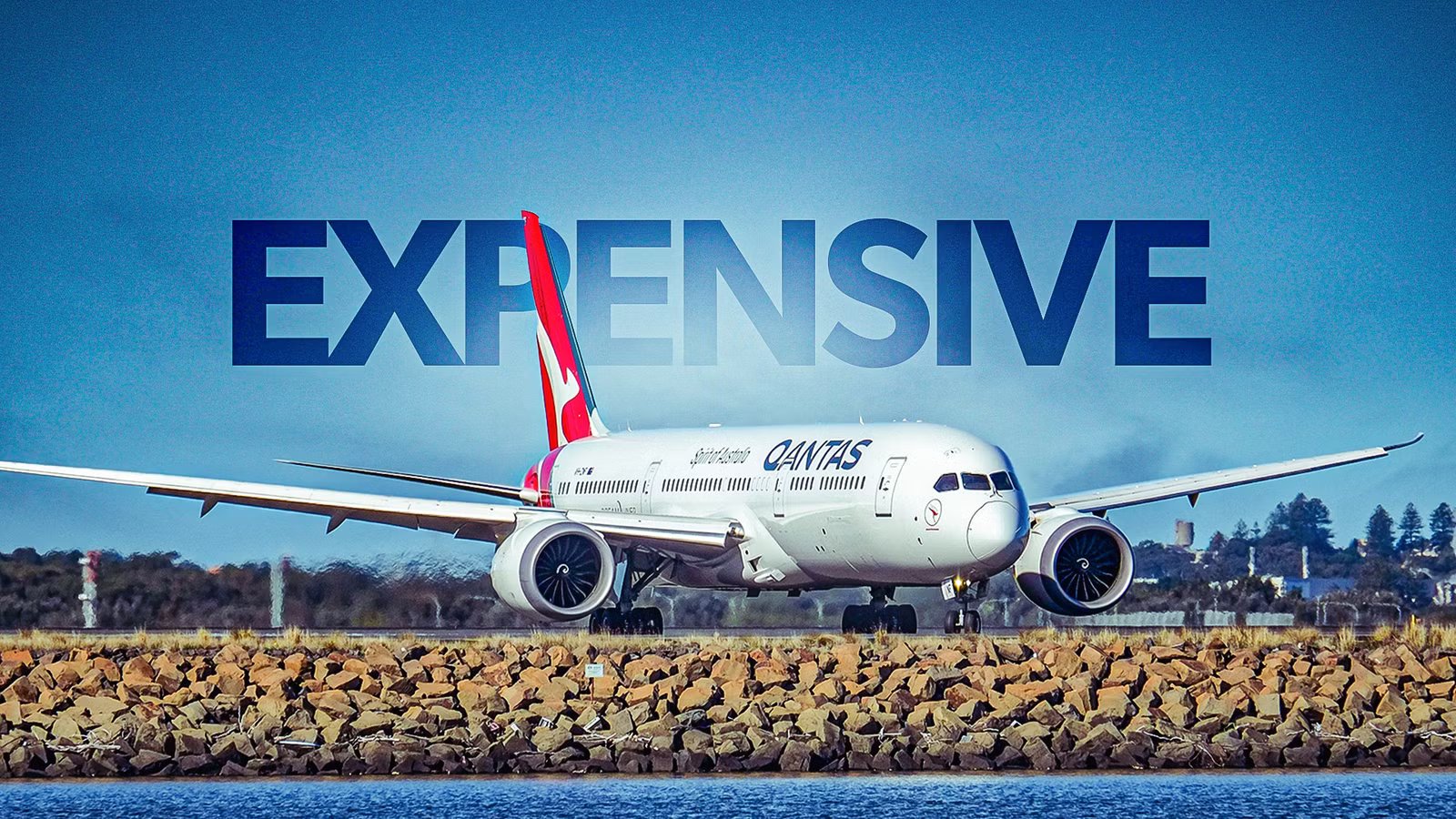
For years, travelers were told that newer aircraft technology would make ultra-long-haul flying cheaper, more efficient, and more accessible. Airlines invested heavily in fuel-efficient aircraft like the Airbus A350 and Boeing 787 Dreamliner, both designed to reduce operating costs on flights lasting 14 to 20 hours. Many expected these advances to eventually lead to lower fares on routes such as London Heathrow Airport (LHR)–Sydney Airport (SYD), Singapore Changi Airport (SIN)–John F. Kennedy International Airport (JFK), and Los Angeles International Airport (LAX)–Dubai International Airport (DXB). Instead, the opposite is happening in 2026: ultra-long-haul ticket prices are climbing sharply across economy, premium economy, business, and first class.
The reasons extend far beyond simple inflation. A geopolitical fuel shock triggered by the conflict in Iran has collided with structural changes already reshaping the airline industry. Airspace closures are forcing airlines onto longer, more expensive routes, while high passenger demand has strengthened airlines’ pricing power globally. At the same time, carriers are increasingly unbundling premium cabins, environmental fuel mandates are adding permanent cost pressure, and the economics of operating flights lasting more than 14 hours remain uniquely expensive despite modern aircraft efficiency gains.

The single most immediate reason ultra-long-haul fares surged in 2026 was the dramatic rise in jet fuel prices following the outbreak of conflict involving Iran in early March. Before the escalation, jet fuel traded at roughly US$85–90 per barrel. Within days of the US-Israel strikes on Iranian targets and the resulting regional instability, prices surged to between US$150 and US$200 per barrel. For airlines operating ultra-long-haul services, this represented a near overnight doubling of their largest variable operating expense.
Fuel costs disproportionately affect long-haul and ultra-long-haul flights because fuel consumption scales directly with distance. A short-haul flight may absorb higher fuel prices with manageable margin pressure, but a 16-hour intercontinental flight burns enormous volumes of fuel continuously across multiple flight phases. Routes such as Sydney–London, Singapore–New York, and Dubai–Los Angeles suddenly became dramatically more expensive to operate, particularly for airlines already working with narrow profit margins.
Airlines responded almost immediately with aggressive fuel surcharges. Cathay Pacific increased long-haul fuel surcharges by more than 100% on routes to Europe, North America, and Australia. Qantas introduced additional surcharges on major intercontinental routes, while Emirates raised fuel charges multiple times within weeks. On some carriers, fuel surcharges alone now add several hundred dollars to a round-trip ticket, particularly in premium cabins where fees are often significantly higher.
Middle East Airspace Closures Are Making Flights Longer

The conflict also disrupted one of the world’s most important aviation corridors. Large sections of Middle Eastern airspace became either restricted or operationally risky for commercial carriers. Flights transiting near Iran, Iraq, Syria, and surrounding regions faced rerouting requirements, temporary closures, and heightened operational uncertainty. Several airlines suspended services to destinations such as Dubai and Riyadh entirely during periods of elevated regional tension.
For airlines operating between Asia and Europe, these disruptions created major logistical problems. Flights that previously followed highly optimized routes are now taking substantial detours to avoid sensitive airspace. Even an additional 60 to 90 minutes on an ultra-long-haul flight can dramatically increase fuel consumption, crew costs, and aircraft utilization inefficiencies. Longer routes also reduce schedule flexibility and create knock-on operational problems throughout airline networks.
The consequences extend beyond fuel burn alone. Longer flight times require more crew resources, create greater maintenance scheduling complexity, and increase airport slot coordination issues. Aircraft that once completed a route within legal crew duty windows may now require additional staffing or altered rotations. These hidden operational costs accumulate quickly, especially on routes already operating at the edge of commercial viability.
What Airlines Don’t Tell You About Ultra Long Flights: Qantas vs Air New Zealand
Ultra-long-haul routes are some of the most exciting announcements that an airline can make, since they connect far-flung cities that have never seen nonstop service before and push the boundaries of aircraft capabilities. In recent years, there’s been a notable explosion in the number of new ultra-long-haul routes, which has coincided with deliveries of the Airbus A350 and Boeing 787. These planes aren’t necessarily more capable than older aircraft like the Airbus A340-500 and Boeing 777-200LR, but they are far more economical than anything before them.
So in this video, we take a look at what really happens behind ultra-long-haul flights, why some of them struggle financially, and the hidden challenges airlines face when trying to make these routes work.
Airlines Are Filling More Seats Than Ever

Even before the 2026 fuel shock, international airfare pricing was already moving upward due to strong global demand and tighter airline capacity discipline. Airlines worldwide are currently filling approximately 84% of available seats, one of the highest sustained load factors in modern aviation history. This means there are simply fewer unsold seats available for a discount.
For travelers, this changes the economics of fare hunting entirely. During the 2010s, airlines frequently competed aggressively on long-haul pricing, offering flash sales, cheap upgrades, and heavily discounted premium cabins to fill excess capacity. In 2026, airlines no longer need to discount as aggressively because demand consistently remains high across both leisure and business travel markets.
As a result, fare pricing has become structurally firmer. Revenue management systems now optimize pricing more aggressively because airlines have greater confidence that seats will sell regardless. Last-minute bargains have become rarer, award seat availability has tightened, and upgrade opportunities have diminished. The combination of strong demand and limited excess capacity has fundamentally shifted pricing power back toward airlines.
The Premium Cabin Unbundling Paradox

Another major force pushing long-haul travel costs higher is the transformation of premium cabin pricing. Traditionally, business class fares include lounge access, flexible ticket changes, priority services, and seat selection for a single bundled price. In 2026, airlines are increasingly separating those features into multiple pricing tiers designed to maximize revenue from premium travelers.
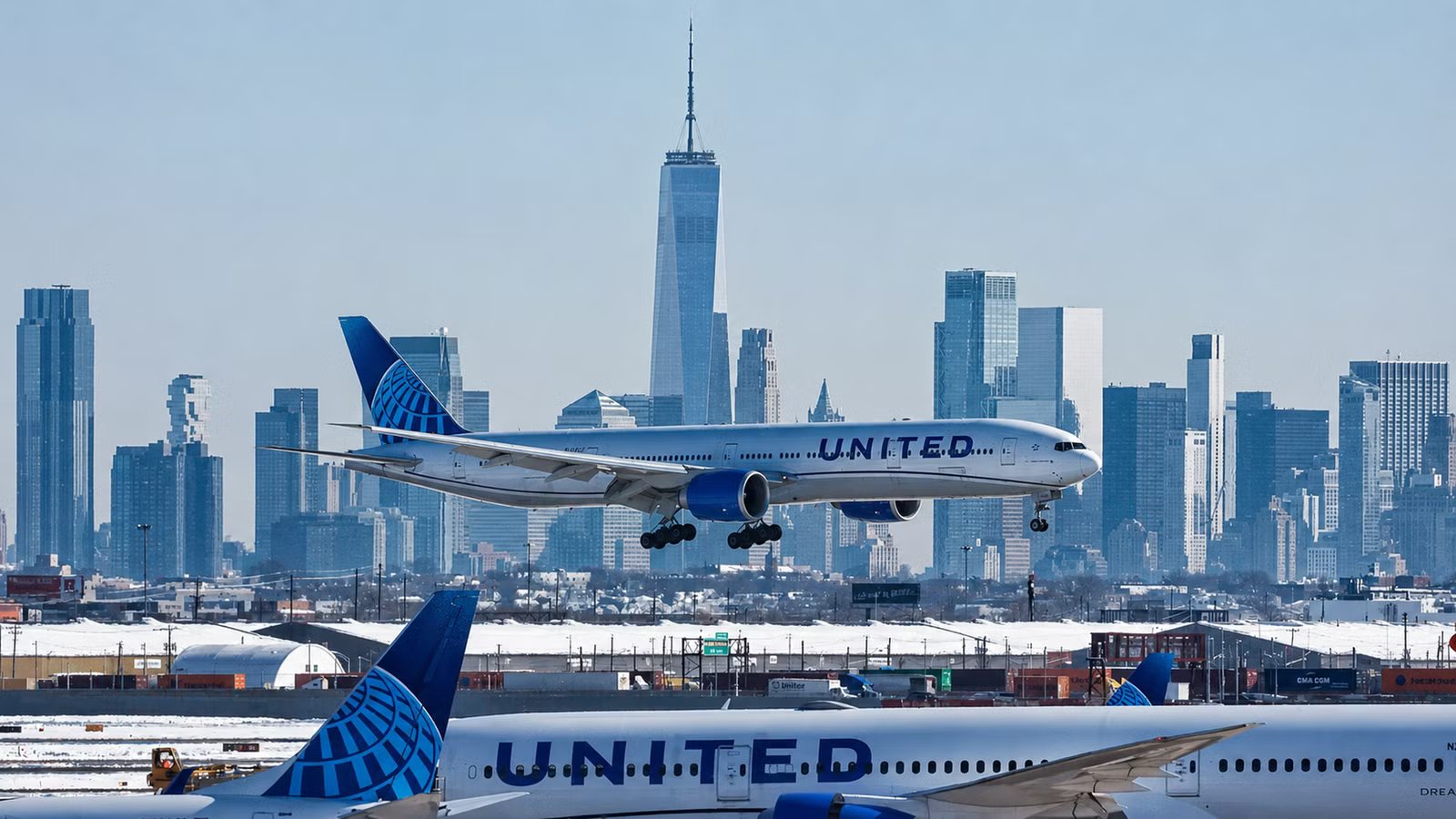
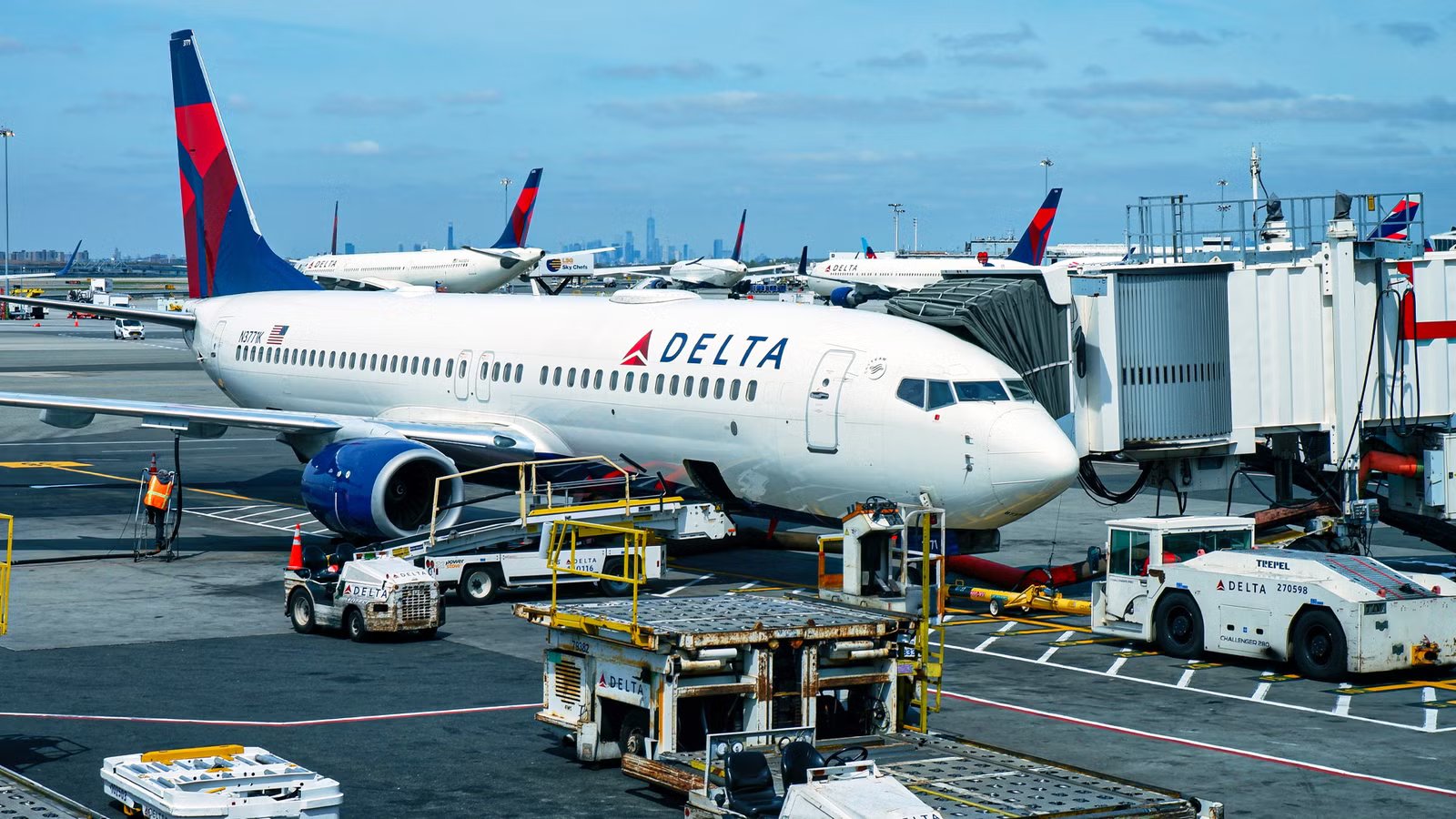
United Airlines accelerated this trend by introducing tiered Polaris business class fares. The lower-priced versions remove benefits that were previously considered standard, including lounge access and flexibility. Delta and other major international carriers are expected to follow similar models. This mirrors the earlier evolution of economy cabins, where baggage fees and seat selection charges became normalized over time.
The result is a pricing illusion. Headline business class fares may appear stable or even slightly lower, but passengers often end up paying more once they restore the benefits they previously received automatically. Airlines have discovered that customers focus heavily on the advertised base fare, allowing carriers to increase total revenue while avoiding the appearance of direct fare inflation.
Massive 22-Hour Flights: Turkish Airlines’ 10 New Ultra-Long Routes In 2026 [Full List]
They include the carrier’s new longest service ever. See all 10 routes here!
Ultra-Long-Haul Flights Remain Structurally Expensive

Ultra-long-haul routes possess unique operational challenges that newer aircraft technology cannot fully eliminate. Flights lasting more than 14 hours require augmented flight crews, including additional pilots and flight attendants who must legally rest during portions of the journey. Airlines must dedicate valuable cabin space to crew rest compartments, effectively carrying non-revenue passengers and infrastructure for the entire flight. Crew accommodation, scheduling complexity, and strict fatigue-management regulations all add costs that simply do not exist on shorter routes. As flight times stretch toward 18 or even 20 hours, these staffing requirements become an increasingly significant part of the overall operating budget.
These routes also require specialized logistical support that extends far beyond the aircraft itself. Ultra-long-range services depend on carefully coordinated fueling operations, contingency planning for diversions, and maintenance support at distant airports thousands of miles from an airline’s home base. Carriers often need dedicated maintenance agreements and ground-handling contracts at remote outstations, many of which command premium rates due to the limited number of operators capable of supporting large widebody aircraft. Airport charges can also be substantially higher at major international hubs serving ultra-long-haul traffic, further increasing the cost of each flight.
Modern aircraft are unquestionably more efficient than previous generations, but efficiency gains have limits. Aircraft such as the A350 and 787 have significantly reduced fuel burn per seat compared with older widebodies, allowing airlines to operate routes that would once have been uneconomic. However, these improvements are incremental, while today’s cost pressures, including fuel shocks, rising labor expenses, airport fees, and environmental regulations, are often far larger and more immediate. Technology has helped airlines slow the growth of operating costs, but it has not fundamentally changed the economics of flying passengers halfway around the world. As a result, the structural expenses associated with ultra-long-haul travel continue to place upward pressure on fares despite advances in aircraft design.
Sustainable Aviation Fuel Mandates Are Adding Permanent Costs

Environmental regulation is becoming one of the most important long-term drivers of airfare inflation. Airlines operating within the European Union and the United Kingdom are now required to blend increasing percentages of Sustainable Aviation Fuel (SAF) into their fuel supply. SAF is intended to reduce aviation emissions, but current production remains limited and significantly more expensive than conventional jet fuel.
At present, SAF can cost between two and four times as much as standard aviation fuel depending on production method and regional availability. For short-haul flights, the added cost is noticeable but manageable. On ultra-long-haul flights, however, the additional expense compounds dramatically because these routes consume such large fuel volumes over extended distances.
Airlines are increasingly passing these environmental costs directly onto consumers through dedicated surcharges. Lufthansa has already implemented compulsory environmental fees tied to route length, while other European carriers are expected to expand similar pricing structures as blending mandates increase throughout the decade. Unlike temporary fuel shocks caused by geopolitical events, SAF-related costs are expected to remain embedded in airline economics permanently, making them one of the clearest reasons ultra-long-haul travel is unlikely to become significantly cheaper anytime soon.