dailynewsnblog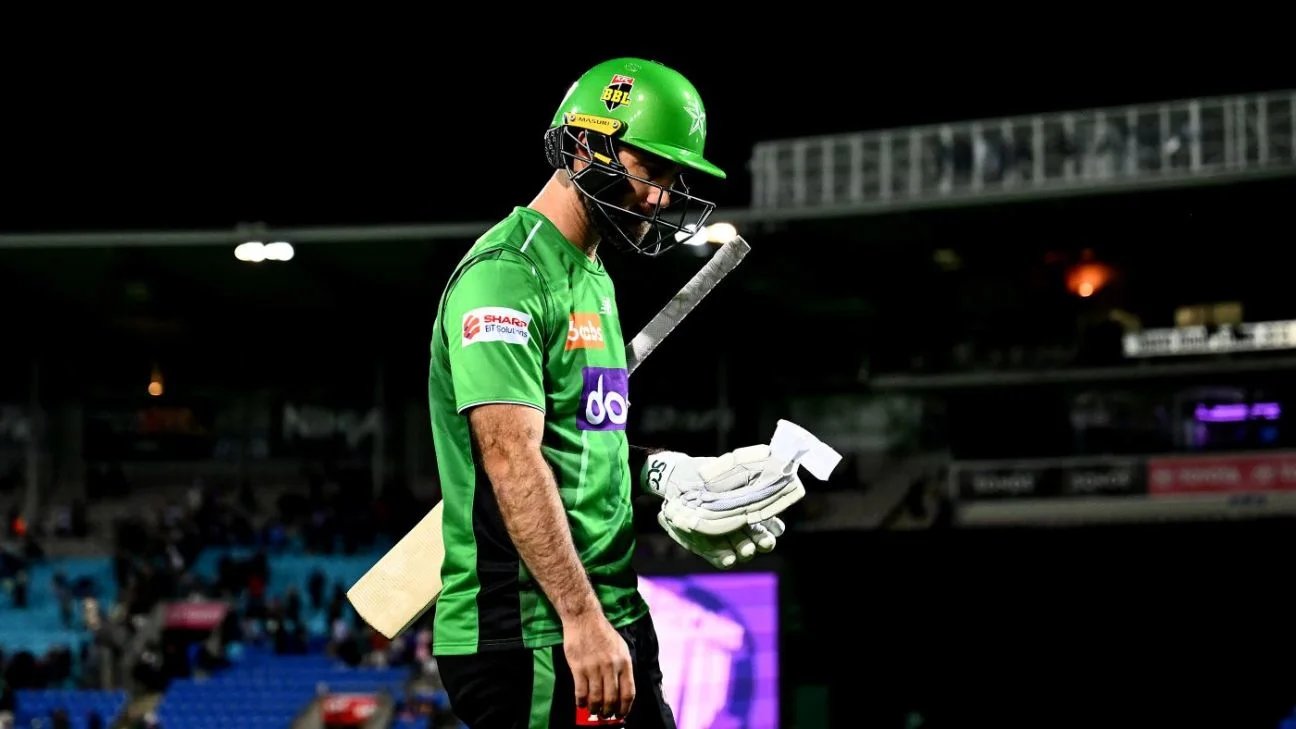
The trademark would cover a host of uses including playing kit, branded material, digital content and apps.
The Rangers option is a nod to the Bushrangers name that Victoria’s men used to play under in state cricket before it was dropped in 2018. Bushrangers was strongly considered for a return, but CV had concerns about how it would sit now that there is also a WBBL side. The re-branded club will also play in Victoria’s navy blue colours.
News Corp was first to report that there are two other names in play – Magic and Blazers.
Research carried out by CV suggested that a full rebranding of the BBL side they will own was required with current fans of Renegades unlikely to support an existing Stars team, but supporters of both more likely to get behind a Victoria-centric outfit.
There remains a chance that Renegades will still exist for the 2026-27 season in caretaker mode should either the license not be sold in time for the start of the WBBL in October or new owners not be ready for a full takeover – although all options still rely on states voting to proceed.
Since CV, who were initially uncertain about privatisation, turned in favour of the model, it had always been expected they would offload Renegades. CA was aware of the plans, but it had been hoped that major announcements would be on hold until the next stage of process had been approved.
Nick Cummins, the Victoria CEO, defended his decisions saying he was looking after his staff at a time of significant uncertainty and wanted to get his organisation into a position where it could progress effectively when, or if, a hybrid privatisation model were given the green light.
There will be meetings this week in Melbourne involving state CEOs with the next key date being June 15, when the chairs will meet to vote on whether to proceed with allowing those states which are in favour to seek investment in their BBL teams.
CA had initially planned for the entire tournament to go into privatisation but NSW’s objections to the proposal – along with varying degrees of concerns from Queensland and South Australia – halted that process and led CA to work on a model whereby individual states could decide what they do.