dailynewsnblog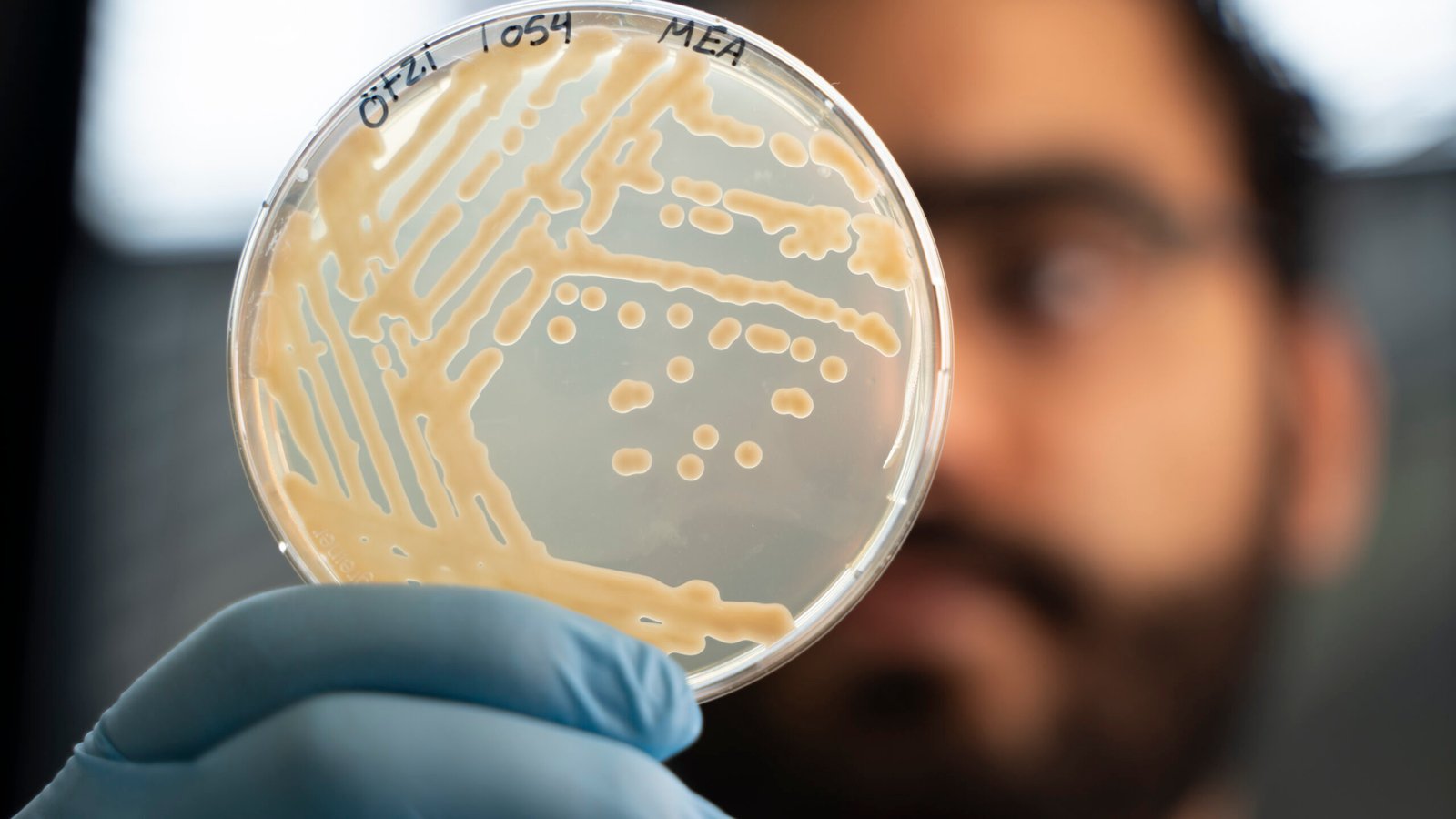
Credit:
Paul Hanny/Gamma-Rapho/Getty Images
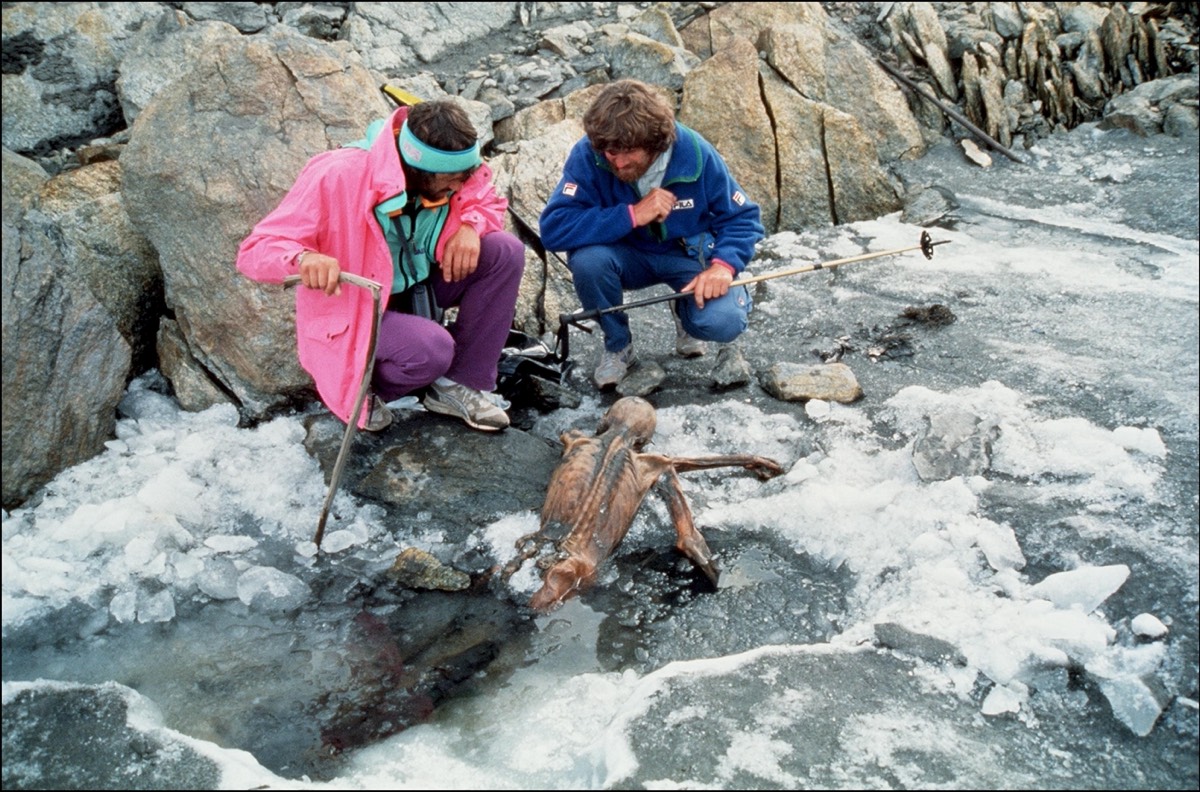
Two mountaineers (one of them Reinhold Messner) with Otzi, Europe’s oldest natural human mummy, in the Otztal Alps between Austria and Italy in September 1991.
Credit:
Paul Hanny/Gamma-Rapho/Getty Images
Ötzi is kept in carefully maintained conditions, as close as possible to the glacier that preserved his body for more than 5,000 years. The chamber is a brisk -6º Celsius, with 99 percent humidity carefully maintained by a spray of UV-treated water. That’s enough to protect the mummy from most of the microbes that usually help decompose human remains. But Sarhan and his colleagues were surprised to find that it’s also the perfect environment for a few microbes that Ötzi carried with him down from the mountains.
In samples from the mummy, Sarhan and his colleagues found four strains of cold-tolerant yeasts, all closely related to similar yeasts found in Arctic glaciers, in Antarctica, and high in the mountains of Italy and Russia. And unlike Ötzi’s long-dead gut bacteria, which left just broken, aging fragments of DNA behind, the yeasts seem to be alive and reproducing (albeit at, ahem, a glacial pace).
“These yeasts have accompanied Ötzi on his long journey through the millennia,” said Frank Maxiner, director of the Institute for Mummy Studies at Eurac and a coauthor of the recent study, in a press release. (Ötzi probably doesn’t find that terribly comforting, but you never know.)
Thawed ancient microbes or a long-lived colony?
The yeasts—species of Phenolifera, Glaciozyma, Goffeauzyma, and Mrakia, for the mycology fans—turned up on Ötzi’s skin, in his stomach, and in water sampled from inside his body. Sarhan and his colleagues cultured live yeast from the samples, but their shotgun metagenomics results also revealed a bunch of short fragments of DNA, most bearing the kind of damage that happens when DNA molecules break down over time. That’s a hallmark of ancient DNA, which meant that the yeasts had most likely been living on and in Ötzi’s body since shortly after he died.
And when Sarhan and his colleagues compared samples taken in 2010 to those taken in 2019, they saw longer fragments and less damage, on average—in other words, there was more recent DNA in the mix, which suggested the yeasts were slowly but persistently growing.