dailynewsnblog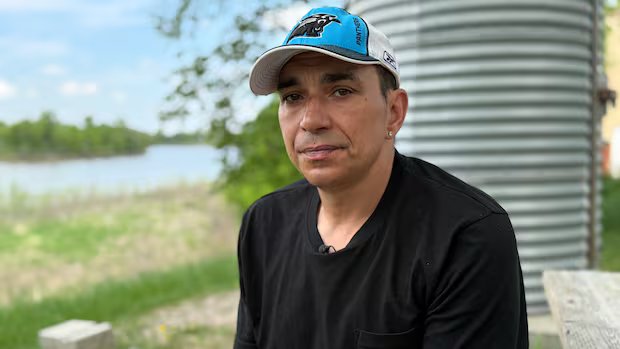
Front-line workers say Winnipeg is in the midst of a drug epidemic, driven by a surge in opioid overdoses that is killing users and overwhelming first responders who are dispatched to dozens of calls every day.
Dr. John Younes, Manitoba’s chief medical examiner, says he has “unequivocally” seen a surge in drug-related deaths that started about four months ago.
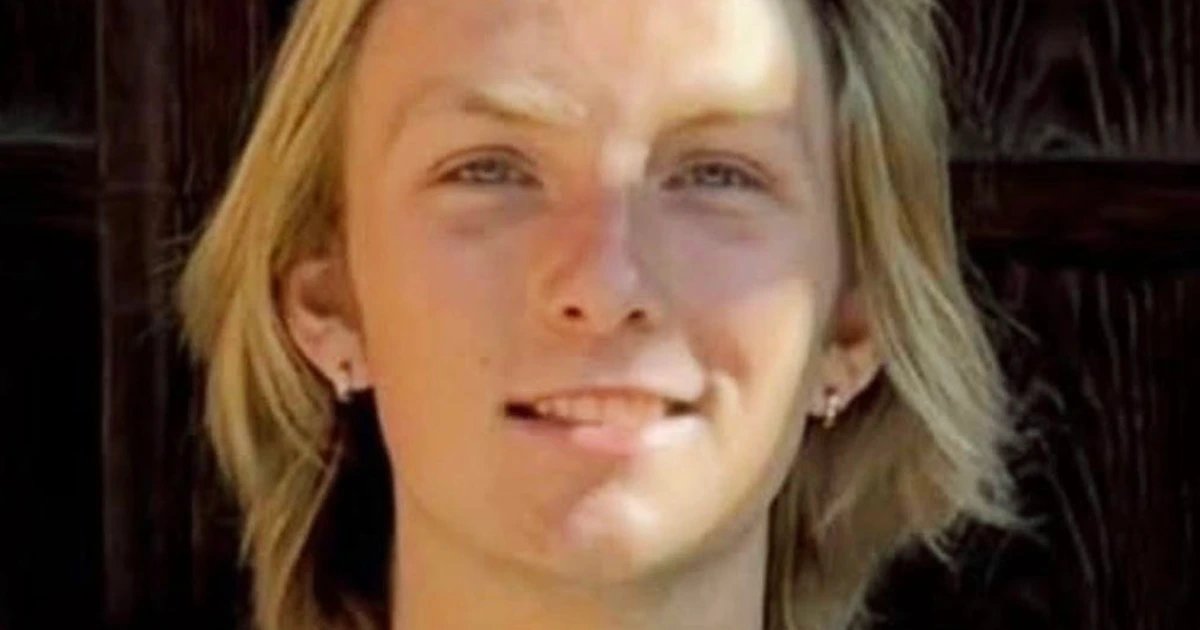
One of those deaths was Alysha Wallin, a 32-year-old who friends say loved cats, was the first to stand up to protect someone she loved and would give her last $5 to a stranger. She died from a fentanyl overdose in January of this year.
“It’s a horrible thing. It’s evil,” her partner, Jason Podolaniuk, said of fentanyl, a powerful synthetic opioid 50 times more powerful than heroin. “There’s people that die every day.”
A CBC analysis of 15 years of data from the Winnipeg Fire Paramedic Service shows that 2026 has seen more substance abuse calls than any other year over that period. For the first time, opioids surpassed alcohol this year as the substance behind the largest number of fire-paramedic emergency responses.
In April, the service responded to 810 opioid patients — more than triple the 240 it responded to in April 2025. Data shows on one day in April, they were called to 66 opioid-related calls — the highest single-day number in the 15 years of records.
“We are in a crisis,” said Scott Wilkinson, Winnipeg’s deputy chief of fire and rescue operations. “This is far-reaching. It’s affecting all areas of our city, from suburbs to the core.”
On Tuesday, the Manitoba government announced $1 million in funding to address the “ongoing toxic drug crisis.”
That includes a three-month Winnipeg Fire Paramedic Service pilot that will see a dedicated two-person team respond to overdose calls in high-need areas.
2 revivals in 45-minute ride-along
A CBC producer went on a ride-along last Thursday with Amy Hancox, a district chief of paramedic operations with the fire-paramedic service.
In a 45-minute span travelling around Winnipeg’s core, the producer watched her revive two people with naloxone, a medicine that can rapidly reverse an opioid overdose.
While leaving a call unrelated to opioids, someone called out for help from across the street. The first responders found a person overdosing and had to administer two doses of naloxone to get them up and moving.

Hancox, a focused and unflappable front-line worker, said that’s something paramedics are seeing multiple times a day, in all corners of the city.
After administering naloxone, “you’re just kind of like watching him breathe, make sure that he’s still responsive,” she said.
First responders say lately, one dose isn’t always enough to revive someone — the toxicity of the drugs means it can take five to 20 doses.
Both medetomidine, a potent veterinary tranquilizer that is resistant to naloxone, and carfentanil, a powerful opioid up to 100 times stronger than fentanyl, have started showing up more in toxicology reports this year, according to Manitoba’s chief medical examiner.
In April, front-line organizations like Main Street Project called for the province to declare a public health emergency after a spike in drug-related deaths.
The current rate of overdoses is “the worst that I’ve ever seen in this work,” said Main Street Project executive director Jamil Mahmood.
“It’s a really hard thing to be reversing overdoses all the time,” he said. That, and the number of deaths workers are seeing, take “a real toll on everybody,” said Mahmood.
‘Not to let her death be in vain’
Podolaniuk and his girlfriend were once methamphetamine users. When the COVID-19 pandemic hit, Winnipeg went through a dry spell and the stimulant became hard to find.
That’s when he and Wallin turned to opioids, which helped curb the symptoms of meth withdrawal, Podolaniuk said.
“I was content. As long as we were together, we were always happy,” he said.

Wallin, who was 32 when she died, was “the kindest girl you could ever meet,” said Podolaniuk.
But she struggled with her addictions for years. Mental health challenges made recovery a difficult option.
The couple also struggled to find housing after their apartment block was sold, and the new landlord allegedly kicked out all the old tenants.
On Jan. 30, they were staying in a pop-up shelter at Siloam Mission, when Podolaniuk left to get drugs for them. Wallin used with someone else, and when he returned, she was hunched over.
She died in the hospital of what an autopsy found was a fentanyl overdose.

After her death, Podolaniuk made changes to his life. He is now in recovery and is an outreach worker at St. Boniface Street Links.
“I just felt lost, empty, and I was determined not to let her death be in vain,” he said.
20 calls a month to hundreds
A decade ago, emergency responders were going, on average, to fewer than 20 opioid-related calls a month, the fire-paramedic service’s data shows. By 2020, the numbers began increasing steadily, to more than 100 calls a month.
Since last October, crews have responded to more than 300 opioid calls each month. Opioids now account for 46 per cent of substance-related calls, compared with 33 per cent last year and three per cent in 2016.
Firefighters and paramedics have administered naloxone 3,422 times so far this year, compared with 1,640 times in the first five months of 2025, the service’s data shows.
The Logan, William Whyte and South Point Douglas neighbourhoods have had the most opioid calls this year, according to the data. In West Broadway, the number of opioid patients this year — 129 — has already surpassed the 84 in all of 2025.
These numbers don’t reflect situations where naloxone is used in the community but paramedics aren’t called, said Rob Grierson, the fire-paramedic service’s medical director.
The data also likely misses certain meth-related calls, Grierson said. First responders could be treating someone with a traumatic injury caused by drug use, but that would get logged as an injury rather than a substance call.
‘Going into a war zone’
Increasingly, they are fighting a battle on two fronts — increasing overdose call volumes along with increased violence during substance-related calls, said Deputy Chief Wilkinson.
“The overall drug crisis is causing a vast amount of volatility, complexity and threats to our crews, and it’s putting a big strain on our system,” said Wilkinson, who has seen a dramatic shift over the last few years.

Part of that is the added danger that comes with treating people using methamphetamines, said District Chief Hancox.
“People on methamphetamines are predictably unpredictable,” she said. “You’re always questioning your safety.”
While the percentage of calls related to opioids surpassed meth calls starting in 2022, meth-related calls are also up so far this year. The data shows emergency responders treated 569 patients in 2026 compared with 442 patients during the first five months of 2025.
Compassion fatigue can set in for those responding to the calls, said Derek Balcaen, a lieutenant with the fire-paramedic service.
He’s been a firefighter for 20 years, and says a decade ago, first responders could go weeks without using naloxone. Now, they use it dozens of times a day.

The frustration comes when they respond to the same person overdosing three times during a shift, he said.
“You really feel as though you’re going into a war zone,” he said. “Our drug problem truly is at an epidemic level.”
Dispatchers trying to allocate emergency resources also feel the pressure, said Tom Wallace, the service’s deputy chief responsible for support services and 911 communications.
That may mean “a dispatcher looking at their screen, trying to send an ambulance to an overdose and a child having an allergic reaction — and there isn’t an ambulance for either of them,” said Wallace.
“That’s a crisis.”

A CBC analysis of 15 years of data from the Winnipeg Fire Paramedic Service shows 2026 has seen more substance abuse calls than any other year over that period.