dailynewsnblog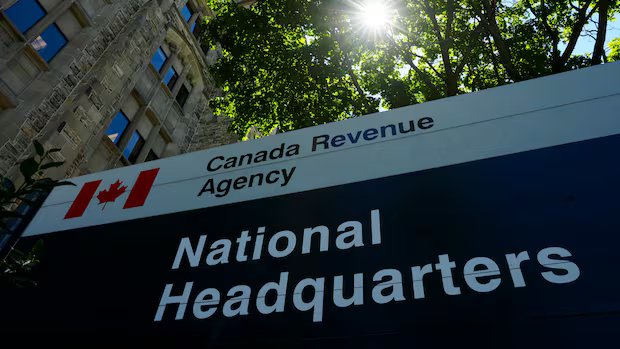

Listen to this article
Estimated 3 minutes
The audio version of this article is generated by AI-based technology. Mispronunciations can occur. We are working with our partners to continually review and improve the results.
The Liberal government’s one-time GST rebate top-up, announced earlier this year, is set to begin landing in some Canadians’ banks accounts starting on Friday.
Those who qualified for the January payment of the quarterly rebate for low- to middle-income Canadians can expect to receive the top-up, says the federal government.
The top-up provides an additional 50 per cent on top of the total annual amount Canadians received from the GST credit from July 2025 to June 2026.
For example, if your total GST/HST credit amount was $400 for that period, the one-time top up payment will be $200, the federal government says.
To receive the one-time payment, you must be a Canadian resident for tax purposes and be at least 19 years old. You also need to have filed your 2024 tax return, which is what this year’s quarterly rebates are based on.
The income cutoff for the GST rebate varies from year to year and depends on marital/common law status and if you have children.
For the 2024 tax year, the maximum adjusted net income (income minus eligible deductions) for a single person with no kids is $56,181 or less.
The maximum income threshold for married or common law couples ranges from $59,481 for couples with no children up to $74,201 for couples with four children.
The government estimates that more than 12 million Canadians receive the GST rebate.
Those signed up for direct deposit can expect to see the top-up payment in their accounts starting on June 5. If you don’t have direct deposit set up, a cheque will be mailed to you, the Canada Revenue Agency says.
Changes to GST credit program
The top-up is part of the transition to the federal government’s Canada Groceries and Essentials Benefit, which is meant to replace the GST credit while boosting what families and individuals receive over the next five years.
Beginning in July, the quarterly rebate will increase by 25 per cent for the next five years.
That means a single individual who qualified for a maximum of around $540 will get about $700 a year instead, while a family of four who qualified for a maximum benefit of about $1,100 will get up to $1,400 annually.
The upcoming payments come as the latest economic data shows the country has dipped into a technical recession, and as Canadians struggle with a tough job market and rising cost of living.
Last week, Statistics Canada said real gross domestic product (GDP) fell 0.1 per cent on an annualized basis in the first quarter following a larger contraction in the last three months of 2025, meeting the threshold for a technical recession.
Meanwhile, Canada’s unemployment rate rose to a six-month high of 6.9 per cent in April while the country’s annual inflation rate rose to 2.8 per cent for the same month on the back of soaring gasoline prices.