dailynewsnblog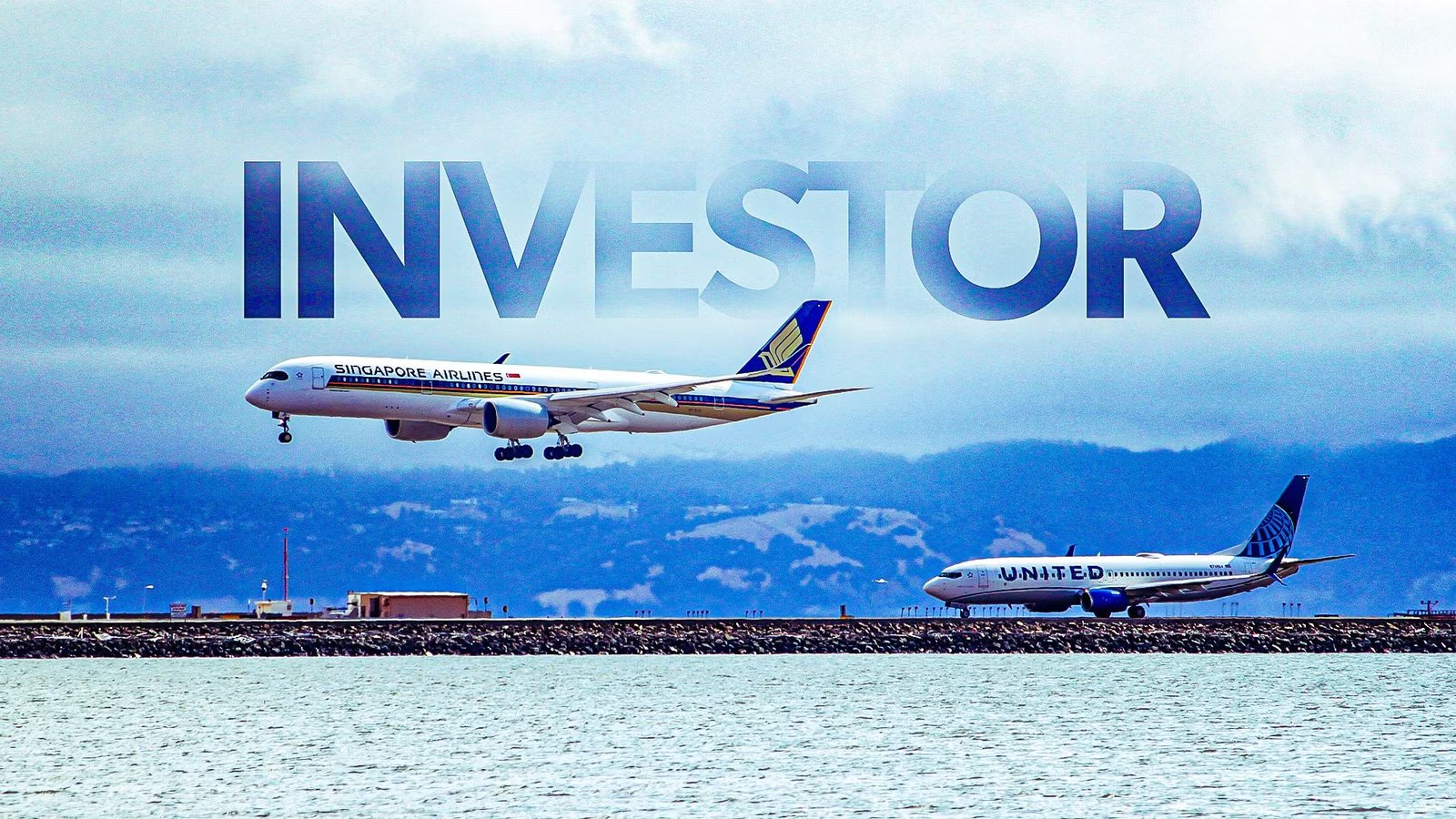
The airline industry is filled with failed mergers, disastrous equity partnerships, and strategic investments that looked brilliant in a boardroom but collapsed in reality. Swissair had its “Hunter Strategy” which imploded spectacularly.  Etihad Airways lost billions trying to build an “equity alliance.” Even some of the world’s best-run airlines have repeatedly discovered that buying stakes in other airlines is far harder than operating their own.
Increasingly,  Singapore Airlines (SIA) appears to belong in that category. For more than 25 years, SIA has repeatedly invested in foreign airlines in pursuit of strategic growth, market access, or network expansion. Yet time after time, those investments have either collapsed outright, destroyed shareholder value, or evolved into deeply complicated restructurings.
But unlike Etihad, which eventually abandoned the strategy and recovered, Singapore Airlines remains heavily exposed to the record losses at Air India today — suggesting it is still making the same mistakes. So is this world-class airline also the world’s worst investor?
Etihad Had Some Famous Investment Disasters

To answer that question, let’s first acknowledge that SIA has strong competition for the title of “worst”. During the 2010s, Etihad attempted one of the most ambitious airline investment strategies the industry had ever seen. Rather than relying solely on traditional alliances, the Abu Dhabi-based carrier tried to build a global airline group through minority stakes in struggling airlines around the world. The strategy included investments in Air Berlin, Alitalia, Virgin Australia, Jet Airways, Darwin Airline, and Air Serbia.
The idea was simple: create worldwide connectivity feeding into Abu Dhabi International Airport (AUH) while building a virtual mega-airline without mergers. Instead, it became one of aviation’s biggest financial disasters.
Air Berlin and Alitalia both collapsed into insolvency in 2017. Jet Airways failed two years later. Virgin Australia entered administration during the pandemic. Etihad ultimately booked $2.5 billion of direct impairments tied to its airline investments, while the strategy became synonymous with overreach and poor capital allocation.
|
Airline |
Stake |
Outcome |
|---|---|---|
|
Air Berlin |
29% |
Insolvency |
|
Alitalia |
49% |
Insolvency |
|
Virgin Australia |
21% |
Administration |
|
Jet Airways |
24% |
Bankruptcy |
|
Darwin Airline |
33% |
Collapsed/restructured |
|
Air Serbia |
49% |
Still operating |
Yet there is one crucial distinction between Etihad and Singapore Airlines: Etihad eventually learned its lesson. Under new leadership, the airline abandoned the equity-alliance strategy, retrenched, focused on its own operation, and has returned to massive growth and record profits. Singapore Airlines may ultimately prove even more troubling because, unlike Etihad, it still appears trapped in the same cycle.
Singapore Airlines: Great At Flying, Not So Much At Buying

Singapore Airlines’ overseas investment history stretches back more than a quarter-century. Unlike Etihad, SIA never suffered one catastrophic blow-up. Instead, it has endured a series of remarkably consistent disappointments. The pattern has repeated itself over and over again: a strategically attractive airline, a minority stake, limited operational control, and eventually a disappointing outcome.
That arguably makes Singapore Airlines’ record even worse. Etihad’s losses were concentrated in a relatively short period before the airline abandoned the strategy. SIA’s losses have stretched across decades, with some investments ending in write-downs, others in liquidations, and Air India still dragging heavily on earnings today. In total, SIA’s accumulated losses from investments (all normalized to 2026 US dollar value) have exceeded $2.5 billion, more than Etihad, and with the biggest bleed still ongoing.
|
Airline |
Initial Investment |
Strategic Goal |
Current Status |
Estimated Loss (2026 USD) |
|---|---|---|---|---|
|
Air New Zealand |
2000 |
Australasia access |
Exited 2004 |
$180 million |
|
Virgin Atlantic |
1999 |
Transatlantic exposure |
Sold to Delta in 2013 |
$870 million |
|
Virgin Australia |
2012 |
Australasia access |
Liquidated in 2020 |
$315 million |
|
Tigerair Australia |
2013 |
Australasia access |
Sold for $1 |
$120 million |
|
NokScoot |
2013 |
SE Asia low-cost growth |
Liquidated in 2020 |
$160 million |
|
Vistara / Air India |
2013 / 2024 |
India growth exposure |
Ongoing |
Over $1 billion since Air India stake began |
The uncomfortable reality is that Singapore Airlines keeps making essentially the same bet: buying minority stakes in strategically attractive airlines while lacking enough control to guarantee success. That pattern first emerged in New Zealand more than 25 years ago.
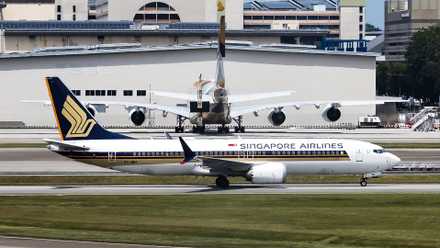
Singapore Airlines Half-Year Profits Plummet After Air India Losses
The airline remains committed to Air India’s transformation plan.
Air New Zealand And The Ansett Collapse

Singapore Airlines’ first major investment failure came in the form of Air New Zealand. It had originally purchased 25% of the carrier in 2000, looking to enter the strategically important markets of Australia and New Zealand, with the investment viewed as a pathway towards deeper regional influence. But the strategy quickly unraveled because of Air New Zealand’s ownership of Ansett Australia.
Already struggling operationally and financially, Ansett collapsed in September 2001, devastating Air New Zealand’s financials in the process. Suddenly, Singapore Airlines found itself trapped inside a crisis that escalated beyond aviation and into politics. The New Zealand government intervened to rescue Air New Zealand, reducing SIA’s stake to 4.5% and preventing it from substantially increasing that stake because of sensitivities surrounding foreign ownership of the national carrier.
|
Air New Zealand Investment |
|
|---|---|
|
Initial investment year: |
2000 |
|
Stake acquired: |
25% |
|
Strategic goal: |
Australasia market access |
|
Key problem: |
Collapse of Ansett Australia |
|
Exit year: |
2004 |
|
Loss: |
$180 million |
Eventually, Singapore Airlines accepted that the investment had become strategically untenable. In 2004, it sold its remaining stake at a substantial loss and exited the investment entirely. The episode established a pattern that would later repeat itself: significant financial exposure without meaningful operational control.
Virgin Atlantic: Prestige Without Returns

If Air New Zealand was about regional strategy, Singapore Airlines’ investment in Virgin Atlantic was about prestige and global positioning. In 1999, SIA purchased a 49% stake in the airline from Richard Branson for approximately $950 million. At the time, Virgin Atlantic was one of the world’s most glamorous airline brands, with coveted London Heathrow access and a strong premium reputation.
Initially, the partnership generated enormous excitement. But during the 2000s, the transatlantic market evolved rapidly. Large alliance joint ventures increasingly dominated premium traffic, while Virgin Atlantic struggled to compete against broader alliance structures with stronger corporate contracts and network reach. Singapore Airlines derived little operational synergy from the investment and lacked the controlling authority to shape Virgin’s long-term strategy.
|
Virgin Atlantic Investment |
|
|---|---|
|
Investment year: |
1999 |
|
Stake acquired: |
49% |
|
Purchase price: |
$950 million |
|
Strategic rationale: |
Heathrow access and transatlantic exposure |
|
Sale year: |
2013 |
|
Buyer: |
Delta Air Lines |
|
Sale value: |
$360 million |
|
Loss: |
$870 million (investment + costs) |
By the early 2010s, SIA had clearly concluded that the investment no longer offered meaningful strategic value.  Delta Air Lines, meanwhile, saw Virgin Atlantic as a way to strengthen its own transatlantic position against
  British Airways and
  American Airlines.
The result was a painful exit for Singapore Airlines. The airline sold its stake to Delta for roughly one-third of what it had originally paid while also absorbing years of cost write-downs and goodwill impairments tied to the investment. The net result was a loss of nearly $900 million. Ironically, Delta has since benefited tremendously from its investment in Virgin Atlantic via their transatlantic joint venture.
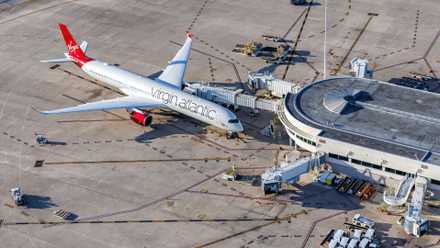
Massive 14-Hour Flights: Virgin Atlantic’s 10 New Longest Routes In 2026 Revealed
Virgin Atlantic’s boldest move yet: 14-hour flights to Seoul and Phuket join the airline’s longest routes in 2026.
Virgin Australia: A Strategic Partner That Collapsed

Singapore Airlines’ involvement with Virgin Australia represented a different kind of investment gamble. It was intended to strengthen SIA’s competitive position in the Australia-Asia market while also countering the growing influence of Qantas and  Emirates.
SIA first invested in Virgin Australia in 2012, initially acquiring a 10% stake before increasing that holding to 19.9% in 2013. At the time, Virgin Australia was attempting an ambitious transformation from a low-cost domestic airline into a full-service international competitor capable of challenging Qantas for premium travelers.
Singapore Airlines was not alone in backing the strategy. Two other perennially-burned investors — in the form of Etihad and Air New Zealand — also shoveled money into Virgin Australia, turning the carrier into something of a proxy battleground between global airline groups seeking influence in the Australian market. But the economics of the investments never truly worked.
|
Virgin Australia Investment |
|
|---|---|
|
Investment year: |
2012 |
|
Stake acquired: |
19.9% |
|
Purchase price: |
$230 million |
|
Strategic rationale: |
Australasian growth |
|
Outcome: |
Entered voluntary administration |
|
Loss: |
$315 million (investment + costs) |
Virgin Australia struggled under rising debt, fierce domestic competition, and the high costs associated with repositioning itself as a premium airline. While the carrier built a stronger product and corporate following, profitability remained elusive, and by 2020 the pandemic pushed the airline into voluntary administration.
For Singapore Airlines, the collapse created another painful outcome. The airline was forced to recognize a substantial impairment, having once again invested in an airline with attractive strategic logic, only to discover that strategic logic alone was not enough to overcome weak economics and limited operational control.
Tigerair Australia: The Low-Cost Failure

Closely related to the Virgin Australia debacle was Tigerair Australia, which originally launched in 2007 as a low-cost carrier in the Tiger Airways Holdings stable, which was itself owned by Singapore Airlines. Virgin Australia later acquired a 60% controlling stake, which SIA was also invested in.
Tigerair Australia struggled almost immediately. Operational disruptions, regulatory scrutiny, weak yields, and intense competition from the likes of Jetstar undermined the business. Singapore Airlines’ broader relationship with Virgin Australia only complicated matters further, and the low-cost strategy never achieved the scale or profitability originally envisioned.
|
Tigerair Australia Investment |
|
|---|---|
|
Investment year: |
2007 |
|
Strategic objective: |
Australian low-cost growth |
|
Main challenges: |
Intense competition, regulation, weak yields |
|
Outcome: |
Operations ceased in 2020 |
|
Loss: |
$120 million |
The eventual unwinding happened during the pandemic. Virgin Australia’s financial struggles intensified, and its new owner, Bain Capital, ultimately chose to retire the brand. By that stage, Singapore Airlines had already divested its remaining stake for $1, acknowledging that the company no longer held any value.
NokScoot: A Joint Venture Destroyed By Reality

Around the same time, Singapore Airlines also partnered with Thailand’s Nok Air to create NokScoot, a long-haul low-cost airline that was designed as a joint venture with its own low-cost arm, Scoot, and based at Bangkok’s Don Mueang International Airport (DMK). SIA provided a small fleet of Boeing 777-200s, painted with a combination of the two airlines’ liveries.
Again, the logic appeared sound. Thailand was one of Asia’s largest tourism markets, and long-haul low-cost flying was attracting enormous industry attention. NokScoot launched operations in 2015 and targeted leisure-heavy routes across Asia. But long-haul budget aviation is notoriously difficult. Thin margins, fuel volatility, fluctuating demand, and intense competition create a brutally unforgiving environment. NokScoot never established a durable position or a sufficiently strong competitive advantage.
|
NokScoot Investment |
|
|---|---|
|
Investment year: |
2015 |
|
Stake acquired: |
49% |
|
Business model: |
SE Asia long-haul low-cost airline |
|
Main challenges: |
Strong competition, thin margins, weak yields |
|
Outcome: |
Operations ceased in 2020 |
|
Loss: |
$160 million |
The pandemic ultimately finished the airline off. As international travel collapsed in 2020, NokScoot’s already fragile economics became unsustainable. The carrier entered liquidation, with SIA recording substantial charges tied to the collapse. Unlike Virgin Atlantic or Air New Zealand, there was no strategic restructuring or negotiated exit. NokScoot simply ceased to exist.
Now Comes Air India

Of all Singapore Airlines’ overseas investments, the  Air India situation may ultimately become the most consequential. Ironically, the story initially appeared different from SIA’s earlier failures, as its original partnership with Tata Group to create Vistara was widely respected within the industry.
Launched in 2015, Vistara quickly established a reputation as one of India’s best airlines, combining Tata’s local credibility with Singapore Airlines’ operational expertise and service culture. But the equation changed dramatically after Tata acquired Air India in 2022 and decided to merge Vistara into the national carrier. Instead of remaining invested in a focused premium airline, Singapore Airlines suddenly found itself owning 25.1% of a deeply complicated restructuring project.
|
Air India Investment |
|
|---|---|
|
Original Vistara JV: |
2013 |
|
SIA stake in Vistara: |
49% |
|
Air India merger completed: |
2024 |
|
SIA stake in Air India: |
25.1% |
|
Air India FY25/26 loss: |
$2.8 billion |
|
SIA share of FY25/26 losses: |
$740 million |
Air India is attempting one of the largest airline turnarounds currently underway anywhere in the world. The carrier faces integration complexity across multiple merged airlines, legacy labor structures, inconsistent product standards, operational rebuilding, and massive fleet renewal costs. All this while tackling the aftermath of the devastating Air India Flight 171 accident and ongoing, persistent safety issues.
The financial impact is impossible to ignore. Air India has just recorded a record annual loss of over $2.8 billion, which has directly impacted SIA via its 25.1% stake in the airline. SIA absorbed a $740 million share of these losses, which caused its own net profit to plunge by 57%, despite the airline achieving record revenues.
And that is just a one-year hit. The losses to date have already surpassed $1 billion, and there are no signs that the bleeding is going to stop any time soon. Worse still, unlike its previous investments, Singapore Airlines is not really in a position to walk away easily. The airline is tied to one of the world’s most strategically important aviation markets through a complex long-term partnership with Tata.
That may eventually prove enormously valuable. India is one of the fastest-growing aviation markets globally, and Air India could still emerge as a formidable global carrier over the next decade. But skeptics note that versions of this argument existed in almost every previous SIA overseas investment.
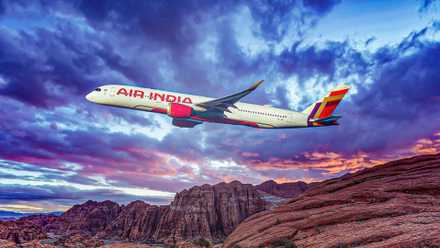
New Air India CEO: The 2 Huge Challenges They Face On Day 1
The airline’s owners have been talking to potential replacement CEOs from the US and UK.
What Does Singapore Airlines Do Now?

Singapore Airlines now faces a difficult balancing act. Walking away from Air India would appear strategically shortsighted. India is simply too important for global aviation, and few airlines can realistically ignore the long-term growth potential of the market. Air India’s transformation is also still relatively early. Fleet renewal, brand rebuilding, and operational integration all take time.
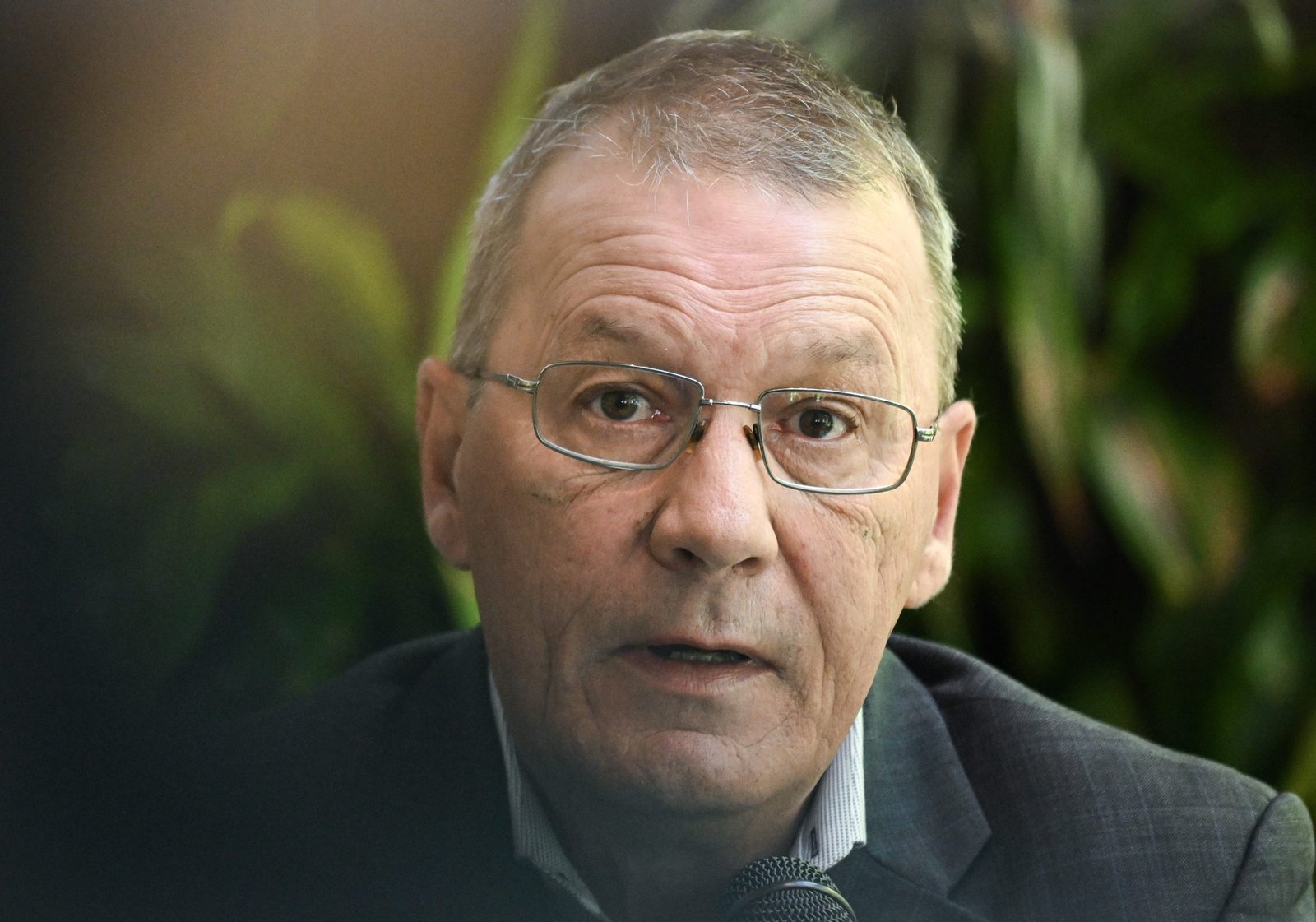
For now, SIA still believes the long-term upside justifies the near-term pain. Speaking during the release of recent financial results, Singapore Airlines CEO Goh Choon Pong, expressed confidence that it would get through these difficult times:
“We have been operating within India for a long time, so we know the market and how difficult it feels. We also know the market holds tremendous potential, with a middle class set to surpass 800 million people in the next two decades, and the building of many new airports.”
But the harder question is whether Singapore Airlines possesses enough influence to meaningfully shape a positive outcome. A 25.1% stake is financially significant, but it does not provide operational control. That was true with Air New Zealand. It was true with Virgin Atlantic. And it remains true today.
The deepest irony is that Singapore Airlines itself remains exceptionally well run. Its award-winning premium product is globally respected. Its network strategy is disciplined. Its fleet planning is sophisticated. Operationally, it remains one of the world’s most elite airlines.
So the challenge is not that SIA is bad at aviation. The problem may simply be that airline investing is far harder than airline executives want to believe. Etihad eventually abandoned the strategy and recovered. The bigger question now is whether Singapore Airlines ever will.
Catch what other trackers miss
Emergency squawks, holds, NOTAMs — live signals, no signup.
Open tracker
Catch what other trackers miss
Emergency squawks, holds, NOTAMs — live signals, no signup.
Open tracker