dailynewsnblog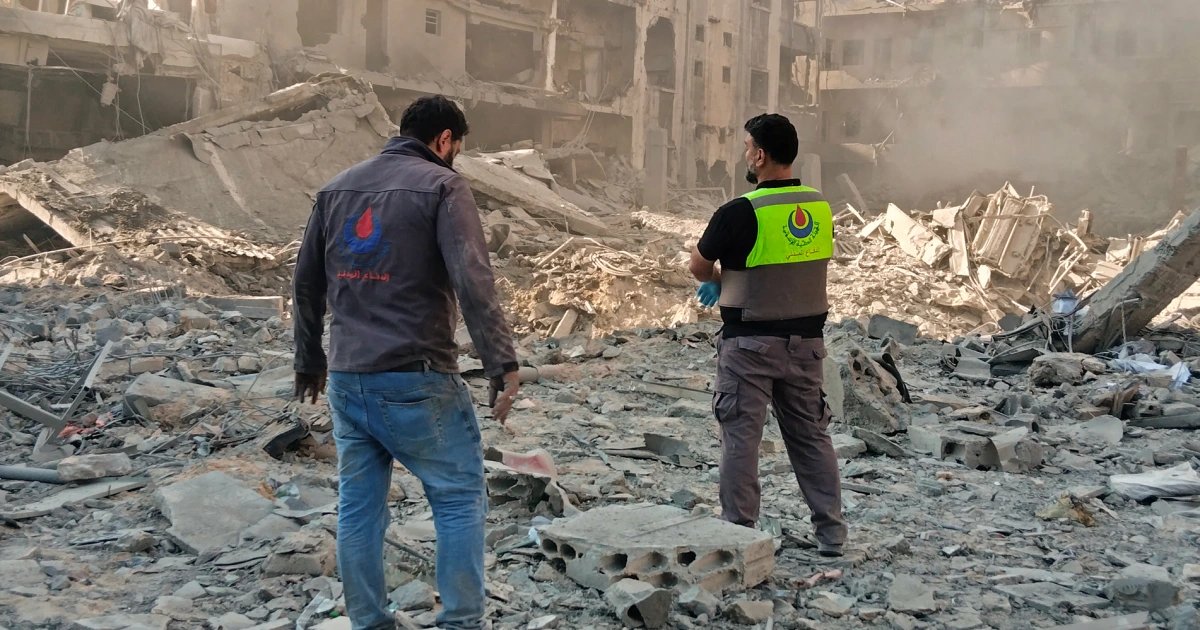
TEHRAN, Iran — Iran on Monday suspended high-stakes negotiations with the United States to protest Israel’s expanding military offensive in Lebanon, according to government-aligned media, complicating efforts to end the three-month war.
Subscribe to read this story ad-free
Get unlimited access to ad-free articles and exclusive content.

“The Iranian negotiating team will suspend ‘talks and the exchange of texts through mediators,’” the semiofficial news agency Tasnim reported.
Iran’s foreign ministry said in a statement Monday that the U.S. “bears direct responsibility both for the violations of the ceasefire against Iran and for the violations committed by the Zionist regime against Lebanon.”
On Monday afternoon, President Donald Trump wrote on Truth Social that he had spoken to Israeli Prime Minister Benjamin Netanyahu and representatives from Hezbollah. He said that no troops would go to Beirut.
“I had a very productive call with Prime Minister Bibi Netanyahu, of Israel, and there will be no Troops going to Beirut, and any Troops that are on their way, have already been turned back,” he wrote. “Likewise, through highly placed Representatives, I had a very good call with Hezbollah, and they agreed that all shooting will stop — That Israel will not attack them, and they will not attack Israel.
A few minutes later, Trump claimed on Truth Social without evidence, “Talks are continuing, at a rapid pace, with the Islamic Republic of Iran.”
Trump earlier told NBC News he had not been informed of the decision to suspend negotiations ahead of time but that “I think it’s fine if they’re done talking.”
“It’s an appropriate thing to say, because they’re better negotiators than they are fighters,” he said in a brief phone call. “But they haven’t informed us of that.”
“It doesn’t mean we’re going to go and start dropping bombs all over there,” added Trump, who said Friday he would soon decide on a proposed deal to extend an ostensible ceasefire agreed to in early April. “We’ll keep the blockade.”
He added, “If they don’t want to talk, that’s OK with me. I think it’s fine. I don’t particularly want to talk either. We talk too much.”

Tasnim earlier reported that Tehran would consider a full closure of the Strait of Hormuz, a crucial shipping route that carried a fifth of the world’s oil supply before the war, and choking other waterways, including the Bab el-Mandeb Strait, with the aim of punishing Israel and its supporters.
Oil prices surged more than $6 per barrel after Tasnim’s report.
The U.S. military and Iran exchanged strikes over the weekend and into Monday, the latest outburst of violence amid the truce.
Despite the truce, Israel has been pressing ahead with a military offensive in Lebanon, with its forces marking their deepest incursion into the country in 26 years over the weekend. On Monday, Prime Minister Benjamin Netanyahu ordered attacks on the Hezbollah-controlled southern suburbs of Beirut, signaling further escalation.
On Feb. 28, the U.S. and Israel started the war, which has since killed thousands of people, mostly in Iran and Lebanon, as well as 13 U.S. service members. It has also sent global energy prices soaring after Iran responded by effectively shutting down the Strait of Hormuz.
Negotiations over a peace deal had been ongoing amid disagreements on several issues, including the future of Iran’s nuclear and missile programs.